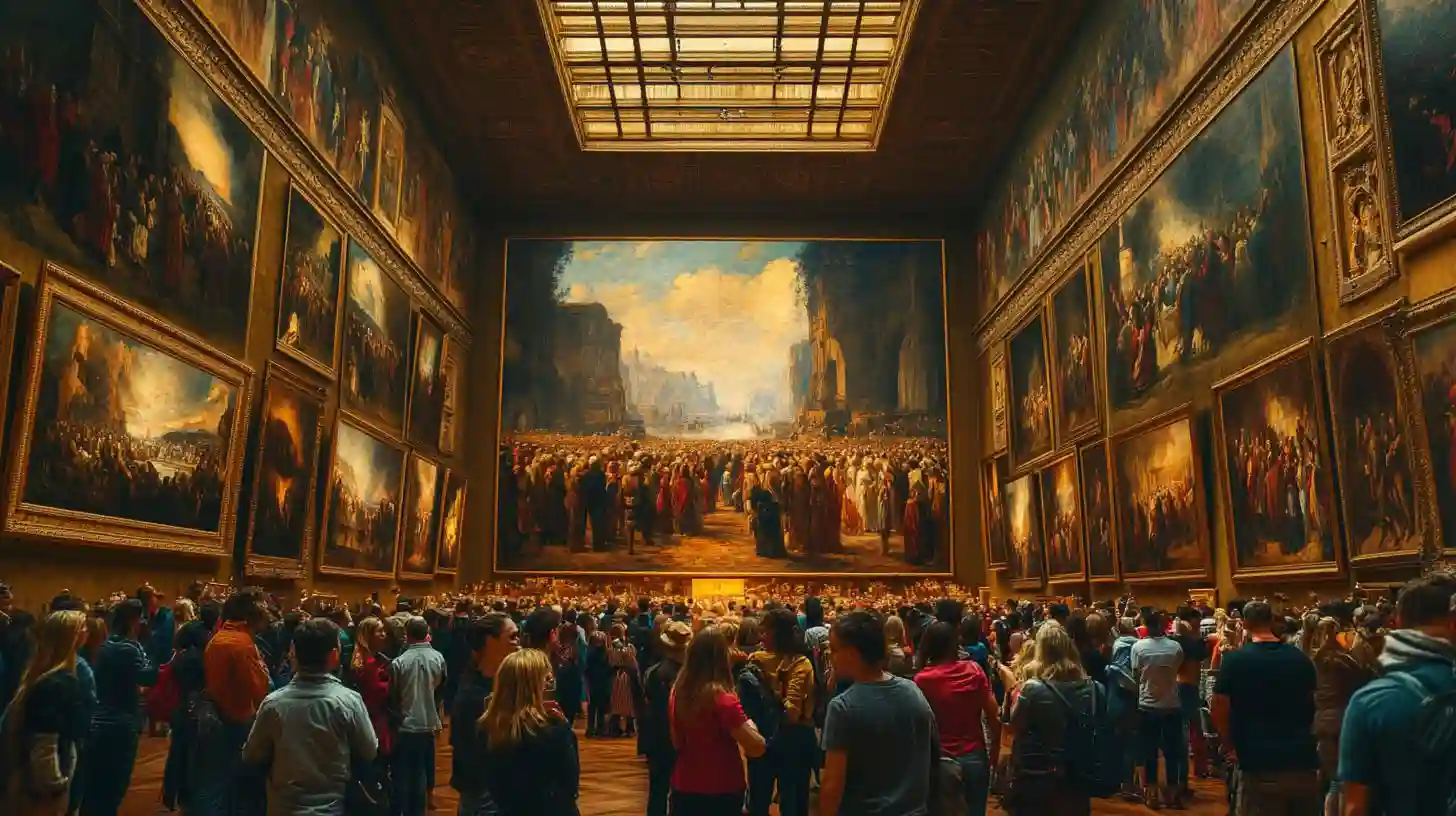
Art has always served as a reflection of society, culture, and individual expression throughout history. Iconic paintings represent significant moments in this journey, capturing the essence of human emotion, creativity, and the zeitgeist of their respective eras. These masterpieces resonate beyond their canvases, inviting viewers into a dialogue with the past and presenting insights into the civilizations that produced them. Exploring these iconic works allows us to appreciate the profound impact that art can have on our understanding of history and humanity itself.
One of the earliest masterpieces that come to mind is the intricate frescoes of the Sistine Chapel, painted by Michelangelo between the years fifteen ten and fifteen twelve. The ceiling of the chapel depicts scenes from the Book of Genesis, culminating in the breathtaking image of the Creation of Adam. This painting is not just a representation of biblical knowledge; it is an exploration of the relationship between humanity and divinity, capturing the moment when God reaches out to Adam, infusing life into the creation. The vivid colors, dynamic figures, and dramatic poses showcase Michelangelo’s unparalleled ability to convey emotion and movement, securing his place in the pantheon of art history.
Another notable work is Leonardo da Vinci's Mona Lisa, painted in the early sixteenth century. This portrait has fascinated audiences for centuries, not merely for the enigmatic smile of its subject but also for its masterful technique. Da Vinci employed sfumato, a technique that creates soft transitions between colors and tones, lending the painting a sense of depth and realism. The identity of the woman portrayed has sparked endless speculation, adding to the mystique surrounding this iconic piece. The Mona Lisa has become a symbol of art and culture, representing the heights of Renaissance ideals and the humanist focus on individuality and beauty.
In the realm of modern art, Vincent van Gogh's Starry Night stands as a testament to the power of emotional expression through color and form. Painted during his stay at the asylum in Saint-Rémy-de-Provence, France, this work transcends a mere depiction of a night sky; it embodies Van Gogh’s tumultuous inner world and his struggle with mental illness. The swirling patterns of the sky, juxtaposed with the tranquil village below, evoke a sense of movement and turbulence. Using bold brushstrokes and a striking palette, Van Gogh captures a feeling rather than a reality, inviting viewers into his passionate and chaotic vision of the universe.
Pablo Picasso’s Guernica is another emotional masterpiece that conveys the horrors of war and human suffering. Created in response to the bombing of the Spanish town of Guernica during the Spanish Civil War, this monumental painting serves as a powerful political statement against fascism. The stark grayscale palette and distorted figures communicate anguish and chaos, illustrating the profound impact of war on innocent lives. Guernica transcends time and geography, resonating with anyone who has witnessed the tragedies of conflict. Picasso’s ability to distill complex emotions into a visual language transforms this piece into a universal symbol of protest and resilience.
The grandeur of American art can be experienced through the works of Georgia O’Keeffe, particularly her iconic flower paintings. O’Keeffe’s unique perspective on the natural world, combined with her knack for abstraction, revamps the way we perceive beauty and femininity. Her close-up paintings of flowers, such as Black Iris, invite introspection and challenge traditional representations of nature. O’Keeffe’s bold use of color and form makes her work vital to understanding how American artists broke free from European traditions, ultimately shaping a new, distinct identity within the art world.
Lastly, we cannot overlook the significance of Gustav Klimt's The Kiss, a defining work of the Art Nouveau movement. This painting represents a pinnacle of sensuality and love, depicted through intertwining figures adorned with intricate patterns and golden leaf embellishments. Klimt’s emphasis on gold elements creates a dazzling effect that captures the eye and imagination. The themes of intimacy and connection are palpable, as the lovers are enveloped in a protective embrace. Klimt’s work invites viewers to ponder the complexities of relationships while provoking a visceral response through its opulence and beauty.
As we explore these iconic paintings, we realize they are more than mere images; they are narratives that transcend the boundaries of time and culture. Each brushstroke invites us to reflect on the human experience, offering glimpses into the lives, struggles, and triumphs of those who came before us. The emotional resonance of these masterpieces continues to resonate in contemporary society, reminding us of the enduring power of artistic expression and its capacity to shape our understanding of the world. Engaging with such works fosters appreciation, igniting curiosity about the stories behind them and the artists who crafted them. Through art, we connect with history in a profound way, reaffirming the notion that creativity is a fundamental aspect of being human.