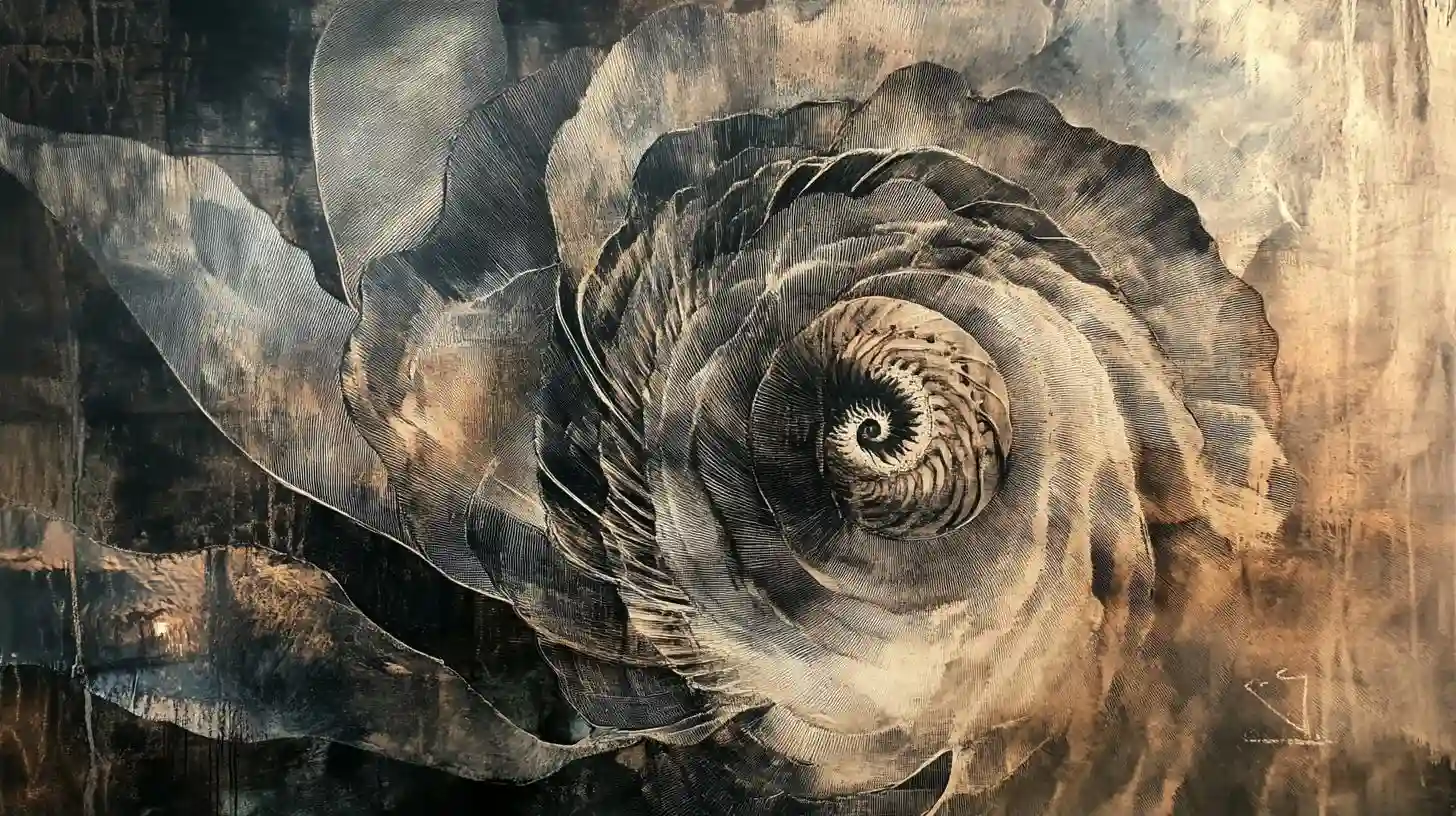
Dry point painting stands out as a unique and innovative technique within the realm of printmaking. Distinct from other forms, it involves the use of a sharp point or needle to incise lines directly into a plate, typically made of metal or plastic. The process itself is both straightforward and intricate, allowing the artist to explore their creative expression in a manner that merges drawing with printing. This fusion results in a distinct aesthetic that captivates both creators and viewers.
The preparation for dry point painting involves the careful selection of materials. Artists often choose copper, zinc, or acrylic plates to serve as their canvas. The choice of plate influences the character of the final print—copper tends to produce finer lines and a warmer tone, while acrylic offers a different texture and feel, making the technique more accessible. Artists begin by polishing the plate to create a smooth surface, which is crucial for achieving the desired clarity in the lines.
Once the plate is prepared, artists use a burin or a needle to create their designs. This step is where the technique reveals its charm. The dry point allows for an exceptional level of detail and intricacy, giving artists the freedom to experiment with line quality and depth. Unlike engraving, where lines are cut into the surface, dry point creates a raised edge, which contributes to a soft, velvety texture in the final print. This nuanced quality is one of the reasons why dry point continues to be a favored medium for artists seeking to create depth and character in their work.
Printing from the dry point plate involves inking the entire surface and then wiping off the excess, leaving ink only in the incised lines. The key to this process is understanding how much ink to leave behind. Artists develop a meticulous touch, learning to balance the ink application to ensure their designs are rendered both sharply and softly. This interplay of light and shadow within the printed image adds another layer of depth, enhancing the overall visual narrative.
One of the most significant advantages of dry point painting is its ability to produce multiple impressions from the same plate. While each print may retain the same image, subtle variations emerge due to the nature of the plate’s wear and the ink application in each run. Artists often embrace these inconsistencies, celebrating the uniqueness of each print as a distinct work of art. This aspect of the technique fosters a connection between the artist, the medium, and the audience, as each individual print tells its own story.
The versatility of dry point painting allows for the exploration of various themes and subjects. From abstract designs to intricate portraits, artists can push the boundaries of traditional imagery. The technique is especially well-suited for emotive representation, as the softness of lines can evoke feelings of tenderness, melancholy, or nostalgia. Many contemporary artists have adopted dry point methods to comment on societal issues or personal experiences, using the medium as a vehicle for storytelling.
Collaboration is another fascinating dimension of dry point painting. Artists often partner with printmakers to enhance their creative process, blending techniques and influences from different disciplines. This collaboration has led to the evolution of hybrid methodologies, where dry point is combined with other printmaking techniques like etching or lithography. Such experiments have expanded the possibilities of expression, proving that the laws of artistic creation can bend and evolve.
The resurgence of interest in traditional art forms has sparked renewed appreciation for dry point painting in recent years. Many art institutions now offer workshops and courses dedicated to teaching this age-old technique. As a result, a new generation of artists is discovering the joys of creating with dry point. They are inspired by historical masters yet eager to carve their paths, balancing the respect for tradition with innovative practices.
The allure of dry point painting lies not just in the final product but in the intimate process of creation. The tactile nature of drawing directly onto a plate, paired with the anticipation of the printing stage, offers a sensory experience that resonates deeply with artists. Each decision made during the engraving and printing stages becomes a part of the artwork's identity, capturing the artist's intent and emotional journey.
As the art community continues to embrace the beauty of dry point painting, the technique stands as a testament to the enduring power of traditional methods in contemporary art. The unique techniques associated with dry point painting reflect an artistic revolution characterized by exploration, collaboration, and an ever-deepening appreciation for craftsmanship. Through the hands of today's artists, this time-honored method not only endures but thrives, inviting all to witness the delicate balance of theory, technique, and emotion in a world increasingly dominated by the digital. This artistic revival highlights the continuing relevance of dry point painting in expressing human experiences, serving as a bridge between past traditions and future innovations.