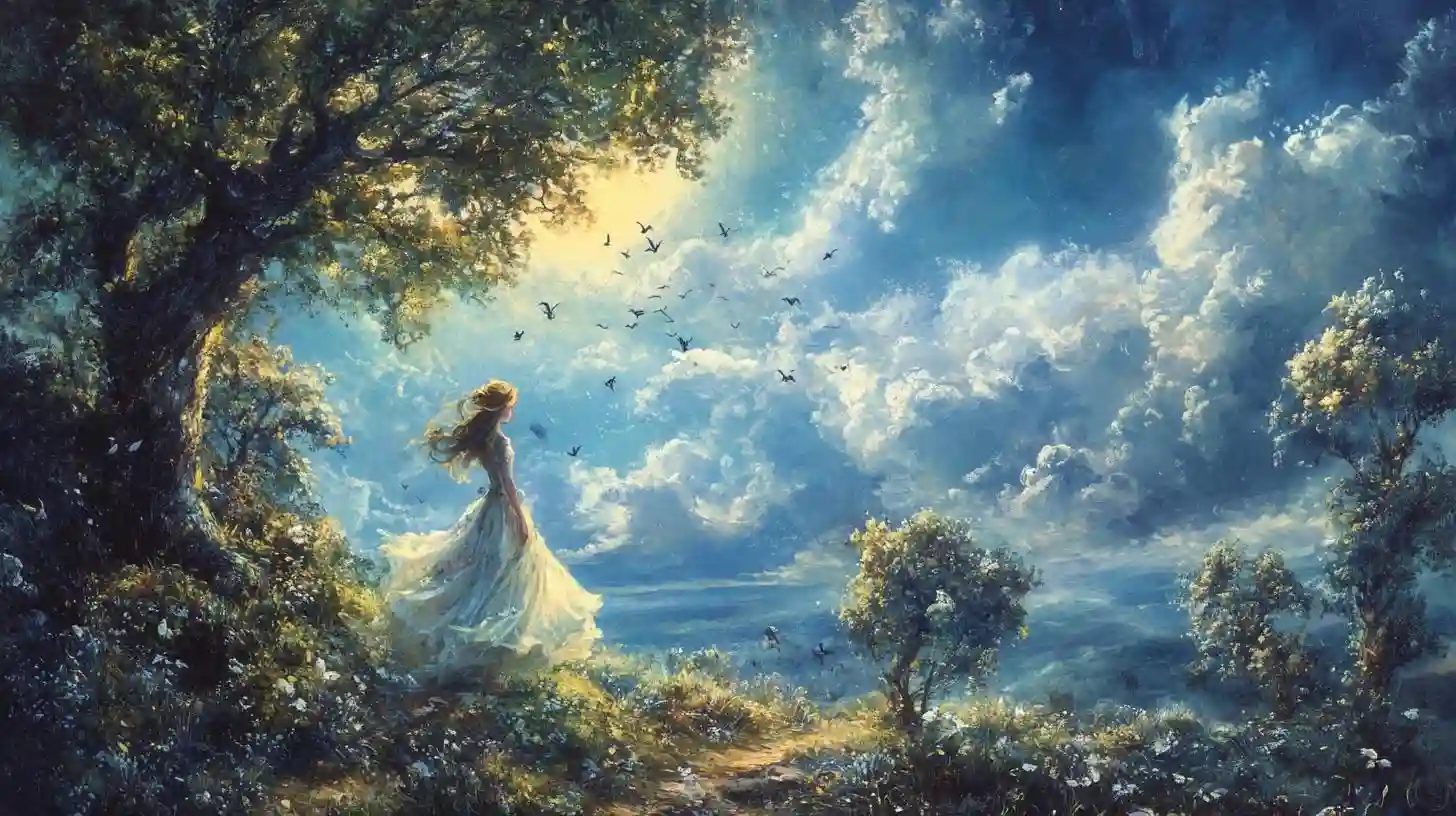
Romantic paintings and illustrations serve as a captivating window into the emotional landscapes and societal norms of their time. They evoke a spectrum of feelings, drawing viewers into the intimate world of love, longing, and passion. The Romantic period, which flourished primarily in the late eighteenth and early nineteenth centuries, marked a significant shift in art, embracing individual emotion and the sublime energies of nature. This era was a reaction against the rationalism of the Enlightenment and the restrained aesthetics of Neoclassicism, offering instead a celebration of the human experience.
Romantic artists often gravitated towards themes of love as central to their work, using it as a lens through which they explored broader human experiences. This was not merely romantic love; the term encompassed a variety of emotional bonds, including those of friendship, familial ties, and even the profound connection between humanity and nature. In their quest to depict these complex emotions, artists employed vivid colors, dramatic contrasts, and innovative brushwork to convey feelings that words alone often failed to capture. Each canvas is rife with tension, passion, and uninhibited expression, serving to immerse viewers in the depths of human sentiment.
Figures such as Eugène Delacroix and J.M.W. Turner revolutionized the way emotion was conveyed through art. Delacroix’s intense colors and sweeping movements in works such as "Liberty Leading the People" not only highlight the fervor of revolutionary ideals but also explore the passion of personal and collective struggle. Turner, on the other hand, often found beauty and spirituality in nature. His landscapes are drenched in light, evoking feelings of longing and contemplation. Even in his more turbulent seascapes, there is an underlying romanticism present, showcasing nature’s awe-inspiring power and its sublime ability to reflect human emotion.
Illustrations during the Romantic period, too, played a vital role in capturing the essence of love and desire. Artists like Gustave Doré and Charles Méryon created evocative imagery that explored the nuances of romantic life through printmaking and illustration. Doré’s intricate engravings for literary works brought to life the romantic visions of fantasy and desire, while Méryon’s haunting depictions of Paris captured the city’s allure and its melancholic beauty. These illustrations often accompanied literature, with novels and poetry serving as rich tapestries of romantic sentiment that were visually complemented by striking artworks.
The representation of the female form in Romantic art is particularly noteworthy. Women were often portrayed as ethereal muses, embodying ideals of beauty and virtue. However, this depiction was more complex than mere objectification; women were often seen as integral to the emotional life of their male counterparts. Paintings like "The Woman in Gold" by Gustav Klimt elevate the female figure to a symbol of love, wealth, and sensuality, captivating not only with their beauty but also with their role as custodians of intimate emotional worlds. This interplay of male and female dynamics adds layers to romantic imagery, inviting interpretations that go beyond superficial readings.
Moreover, the Romantic movement embraced a nostalgic longing for ideals of love drawn from folklore and myth. Artists often revisited literary works, folklore, and classical mythology, enriching their creative expressions. Visual storytelling flourished alongside poetry, and artists like Dante Gabriel Rossetti and Edward Burne-Jones drew inspiration from The Pre-Raphaelite Brotherhood, focusing on themes of medieval romance and legend. Their vivid illustrations embody a rich tapestry of chivalry, courtly love, and passion, whisking the viewer away into tales of a bygone era, rekindling a sense of longing for the romantic past.
As the world moved into the modern age, the romantic vision continued to evolve, weaving itself into various art movements and genres. Surrealism, Symbolism, and even contemporary art carry with them echoes of romantic ideals, showcasing humanity’s relentless pursuit of beauty, connection, and the exploration of inner emotion. Modern artists tap into the legacy of Romanticism, often reinterpreting its themes through their unique lenses, reflecting current societal dynamics while still honoring the past.
In every brushstroke and illustration lies a narrative waiting to be uncovered—a myriad of intertwining stories, yearnings, and desires. Romantic paintings and illustrations remain a poignant reminder of the power of art to evoke emotion, allowing viewers to navigate their own feelings and experiences through the lens of creative expression. The allure of these artworks continues to resonate, transcending time and space, and inviting audiences to explore the enchanting realms of love, passion, and the human soul. Each piece beckons, urging us to engage with the art, the emotion, and the stories that define our shared human experience. The emotional depth found in this enchanting world of romantic expression keeps the spirit of the Romantic era alive, enriching our cultural tapestry with its timeless resonance.