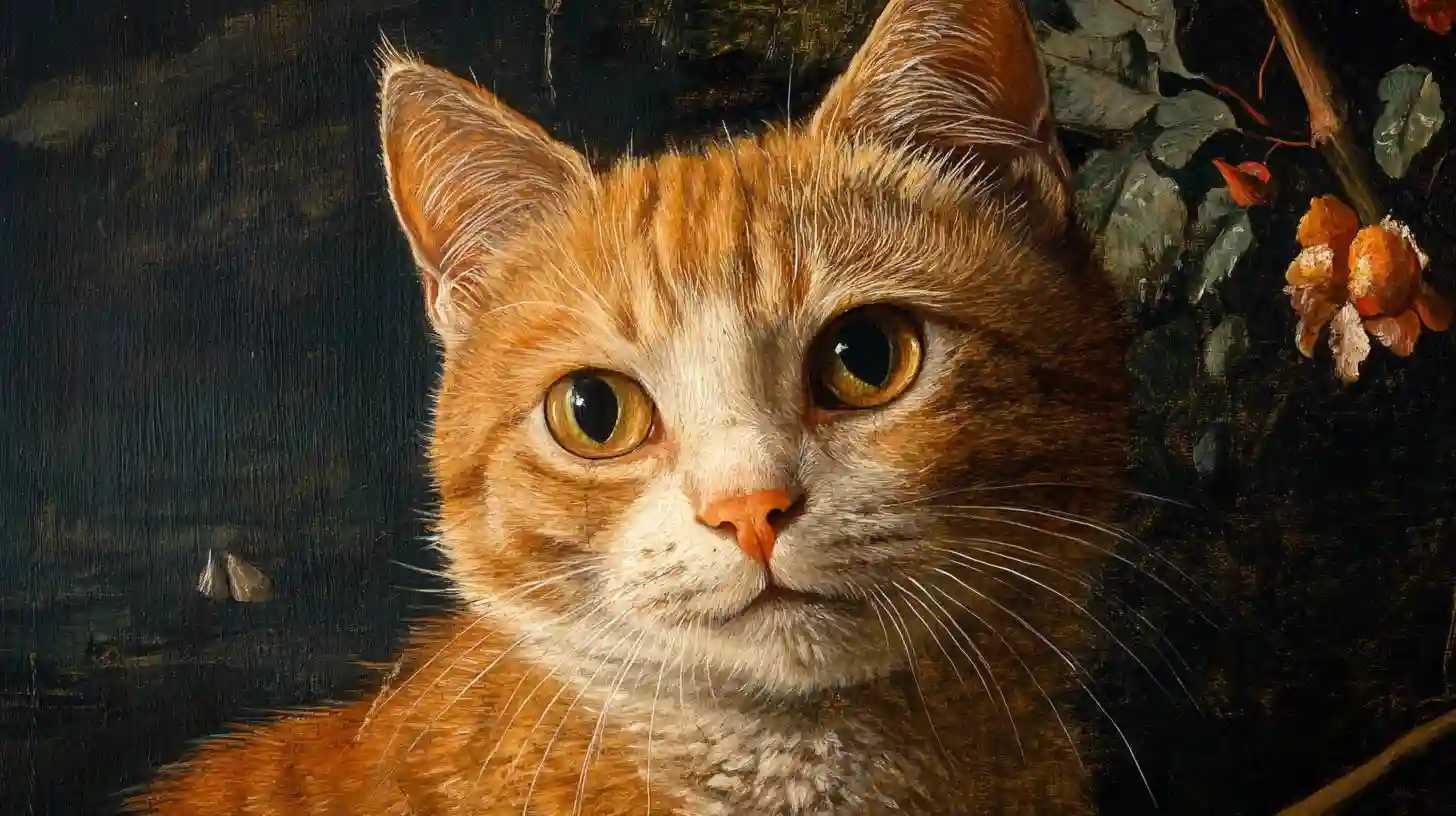
Cats have long captivated the human imagination, and their significance in art history stretches back thousands of years. In ancient cultures, these creatures were often revered for their grace, hunting prowess, and mysterious nature. In ancient Egypt, cats were not only cherished as beloved pets but were also regarded as sacred animals that symbolized fertility and protection. The goddess Bastet, often depicted with the head of a lioness or domesticated cat, epitomized this reverence, and her worship led to the creation of numerous artworks celebrating these elegant felines. Intricate sculptures, detailed frescoes, and captivating pottery all featured cats, emphasizing their central role in the domestic life and spiritual beliefs of ancient Egyptians.
As time progressed and cultures evolved, the role of cats in art continued to transform. In medieval Europe, cats began to occupy a different space within the artistic realm, often associated with superstition and witchcraft. Many paintings from this period depict cats alongside mysterious figures, underscoring their connection to the occult. This image lingered throughout the Middle Ages, with cats often portrayed as sinister companions in the realm of witches and sorcery. In contrast, they simultaneously maintained their status as skilled hunters, and this dual nature captured the attention of artists who sought to depict the complexity of the feline character.
The Renaissance era marked a renewed interest in naturalism, leading to more realistic and expressive portrayals of animals, including cats. Prominent artists, such as Leonardo da Vinci and Albrecht Dürer, embraced cats within their works, using them as symbols of domesticity and companionship. Cats in art from this period often exemplified the themes of comfort and beauty within the home. Dürer’s detailed studies of animals showcased not only the physical attributes of felines but also hinted at the emotional connections formed between humans and their animal companions. This era set the stage for future interpretations of cats in the context of human experience, elevating their status from mere animals to subjects worthy of fine art.
The emergence of the Baroque style introduced cats into the works of several celebrated painters, reflecting the period's fascination with light, shadow, and emotion. Artists like Jean-Baptiste-Siméon Chardin featured cats prominently in still-life compositions, often highlighting their presence in domestic settings alongside human activity. Paintings from this time frame encapsulated the warmth of home life, with cats portrayed as integral members of the household fabric. The domestic cat becomes a symbol of comfort, embodying the tranquility of family life and becoming an aesthetic focal point within the natural world.
As the art movements transitioned into the 19th century, Impressionist artists embraced the playful energy and independent spirit of cats. For instance, Edouard Manet and Pierre-Auguste Renoir captured the essence of felines lounging in sunlit spaces, showcasing their graceful forms and active behaviors. The Impressionists highlighted the unique relationship shared between cats and their human counterparts, often depicting scenes of leisure and affection. The rise of these artistic representations mirrored broader societal changes, as cats increasingly became cherished companions in urban life.
The 20th century saw an even greater embrace of cats within the visual arts, with various movements embracing the quirky, eccentric, and sometimes surreal aspects of feline existence. Artists such as Pablo Picasso and Henri Matisse fostered a playful relationship with abstraction, leading to a multitude of interpretations of cats that transcended realism. In these modern masterpieces, cats were frequently abstracted and stylized, emphasizing their enigmatic nature and fluid movements. The emotional weight conveyed through these representations added layers of meaning, transforming cats into symbols reflecting the inner realities of the artists themselves.
Contemporary art has continued to explore the myriad significances of cats in diverse ways, from digital platforms to installations and beyond. Artists today engage with the cultural implications and symbolic meanings of cats, examining the deep connections humans have with these creatures. Whether through humor, satire, or profound commentary on companionship, cats remain a relevant and captivating subject in contemporary art practices. The evolution of the cat in art remains a reflection of society's perceptions—capturing our fascination with these enigmatic creatures at various historical junctures, providing a lens through which to explore the multifaceted relationship between humans and animals throughout time. Cats, with their rich history in art, continue to inspire and enchant, inviting viewers to ponder the mysteries they represent while celebrating the beauty of this timeless companionship.