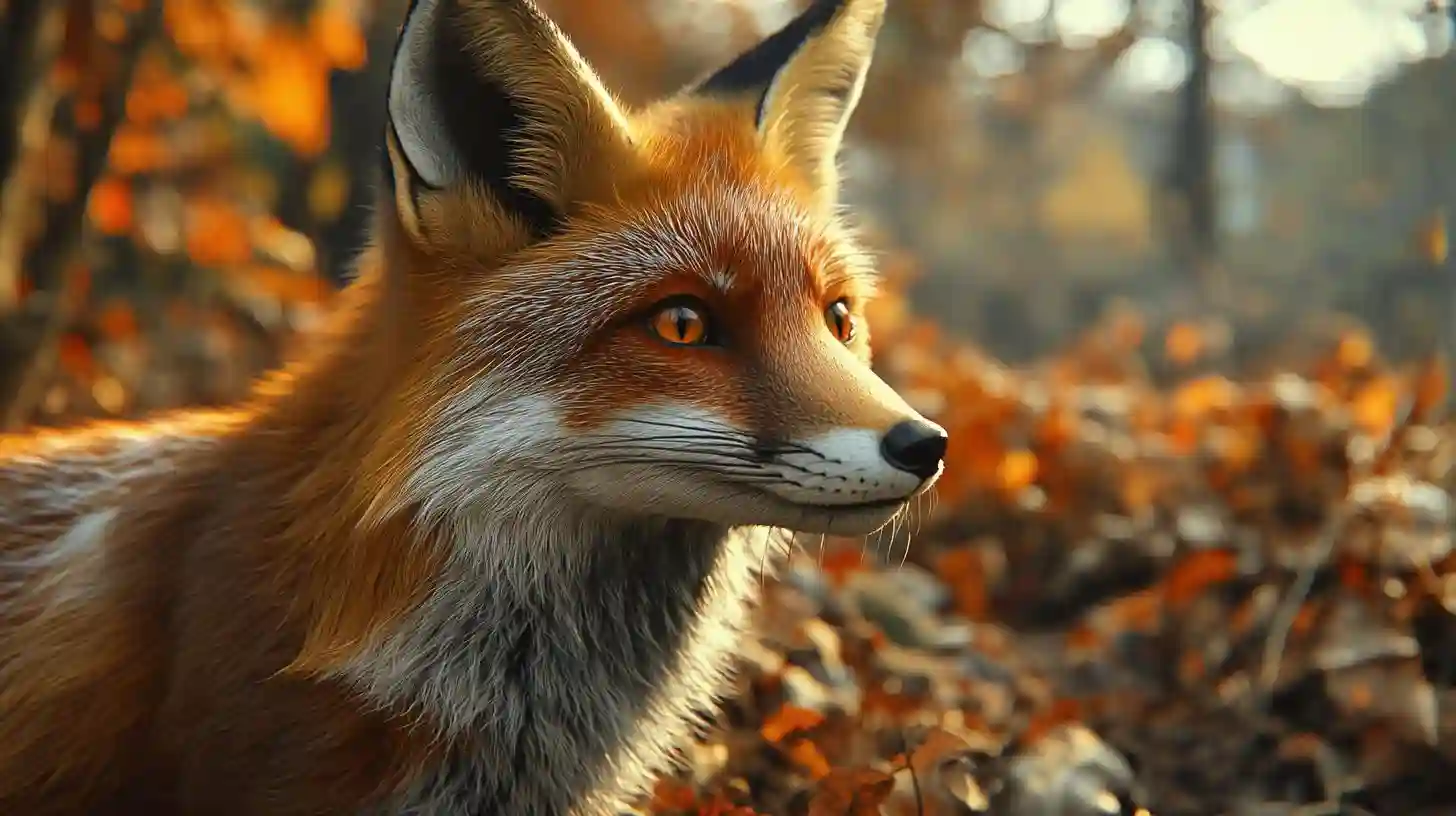
The adaptability of foxes is a remarkable phenomenon that has captivated wildlife enthusiasts and researchers alike. These agile creatures have demonstrated an incredible ability to thrive in both urban and natural environments, showcasing the resilience of nature amidst rapid human development. Understanding the underlying factors that contribute to this adaptability offers insights into broader ecological dynamics and the relationship between wildlife and urban settings.
Foxes belong to the Canidae family, which includes wolves, coyotes, and domestic dogs. Among the various species of foxes, the red fox is the most common and widely distributed. This species has a versatile diet, opportunistic behavior, and a clever nature that collectively contribute to its success across diverse habitats. Whether roaming through forests and grasslands or navigating city streets and suburban neighborhoods, foxes exhibit behaviors that allow them to utilize available resources effectively.
One of the key reasons behind the adaptability of foxes is their diverse diet. As omnivores, red foxes are not limited to one type of food source. They consume small mammals, birds, insects, fruits, and even human food scraps. This flexibility in diet enables them to exploit different environments. In urban areas, where natural food sources may be scarce, foxes have learned to scavenge from trash cans and hunt rodents that thrive in human settlements. In contrast, in rural areas, they may rely on hunting rabbits and voles, which provide ample nutrition.
Another significant factor contributing to the success of foxes in urban settings is their behavioral plasticity. Foxes are highly intelligent animals capable of learning from their experiences and adjusting their behaviors accordingly. They exhibit problem-solving skills, allowing them to navigate complex human environments. For instance, studies have shown that urban foxes are adept at recognizing patterns related to human activity, such as times when parks are less crowded or when trash bins are most likely to be accessible. This intelligence enables them to maximize opportunities for foraging and can significantly increase their chances of survival.
Additionally, foxes have developed unique adaptations to cope with the challenges posed by urban life. Their nocturnal nature allows them to remain relatively hidden from humans, venturing out during the night when activity levels are lower. This behavior reduces the likelihood of encounters with people and increases their chances of successfully hunting for food. Moreover, urban foxes tend to establish dens in less-trafficked areas, such as backyards, parks, or under sheds, providing safety for their young while also giving them access to food sources nearby.
The social structure of foxes is also an important aspect of their adaptability. They are generally solitary animals, but they can exhibit social behaviors when conditions are favorable. In urban settings, some populations of foxes have adapted to living in larger social groups, which can enhance their ability to raise young and defend territories. The presence of more individuals can lead to shared knowledge and cooperative foraging strategies, which may increase overall survival rates. This social flexibility allows foxes to thrive in environments where they may face higher competition for resources.
The interaction between foxes and human populations reflects a complex relationship that has evolved over time. While some may see urban foxes as a nuisance due to their scavenging habits and potential to disrupt neighborhood peace, it is essential to recognize that these animals are simply adapting to the opportunities presented by human settlements. Initiatives aimed at managing urban wildlife must consider the needs of both humans and animals, leading to coexistence rather than conflict.
Interestingly, urban environments can provide advantages for foxes that may not exist in more natural settings. For instance, the consistent presence of human structures, such as buildings and fences, can create an environment where few predators or competitors pose a threat. The relative abundance of potential prey, like rats and mice, makes city living particularly appealing to foxes. This scenario showcases a paradox: while urbanization often disrupts wildlife habitats, some species, including foxes, may actually benefit from this transformation.
Comparatively, foxes in natural environments face a different set of challenges. Ecosystems can be rich and varied, offering a diversity of food sources, but they also come with the risks associated with larger predators and habitat competition. In these settings, foxes must rely heavily on their hunting skills and instincts to thrive. They demonstrate a range of hunting techniques, from pouncing on prey to using their acute hearing to locate rodents hidden beneath layers of snow or foliage. Such adaptability in hunting behavior is critical for survival in the wild, where successful foraging often means the difference between life and death.
Additionally, foxes in natural environments must navigate seasonal changes that affect food availability and reproductive patterns. During winter months, their diet may shift to include more scavenged food as prey becomes less abundant. In response, foxes will often cache food, burying it to consume later, demonstrating foresight and adaptability. Their ability to cope with seasonal changes reflects their resilience and shows how they have evolved to face the challenges posed by the natural world.
The adaptability of foxes serves as a reminder of the complex interplay between species and their environments. The fact that these animals can thrive in such disparate habitats illustrates the ingenuity of wildlife in adjusting to a rapidly changing world. In urban areas, their presence highlights the need for city planners and local governments to consider wildlife corridors and green spaces that can facilitate coexistence with nature. In more natural settings, understanding the dynamics of prey availability and predation can inform conservation efforts aimed at maintaining healthy fox populations.
As urban areas continue to expand, observing and studying the behavior of foxes offers valuable lessons about adaptation and the resilience of wildlife. These insights can contribute to a greater understanding of how various species respond to the pressures of urbanization and the significance of preserving natural habitats. The adaptability of foxes is not just a testament to their tenacity; it reflects broader ecological principles that underscore the importance of biodiversity and the need for harmonious coexistence within rapidly changing landscapes.
In observing foxes in both urban and natural environments, it becomes clear that they embody a remarkable capacity for adaptation. Their resourcefulness, intelligence, and social strategies enable them to navigate the challenges posed by both man-made and natural landscapes. As humans interact increasingly with the natural world, fostering a deeper appreciation for the complexity of these relationships becomes paramount. Recognizing the adaptability of foxes may serve as a crucial step in promoting coexistence and preserving the delicate balance of ecosystems.