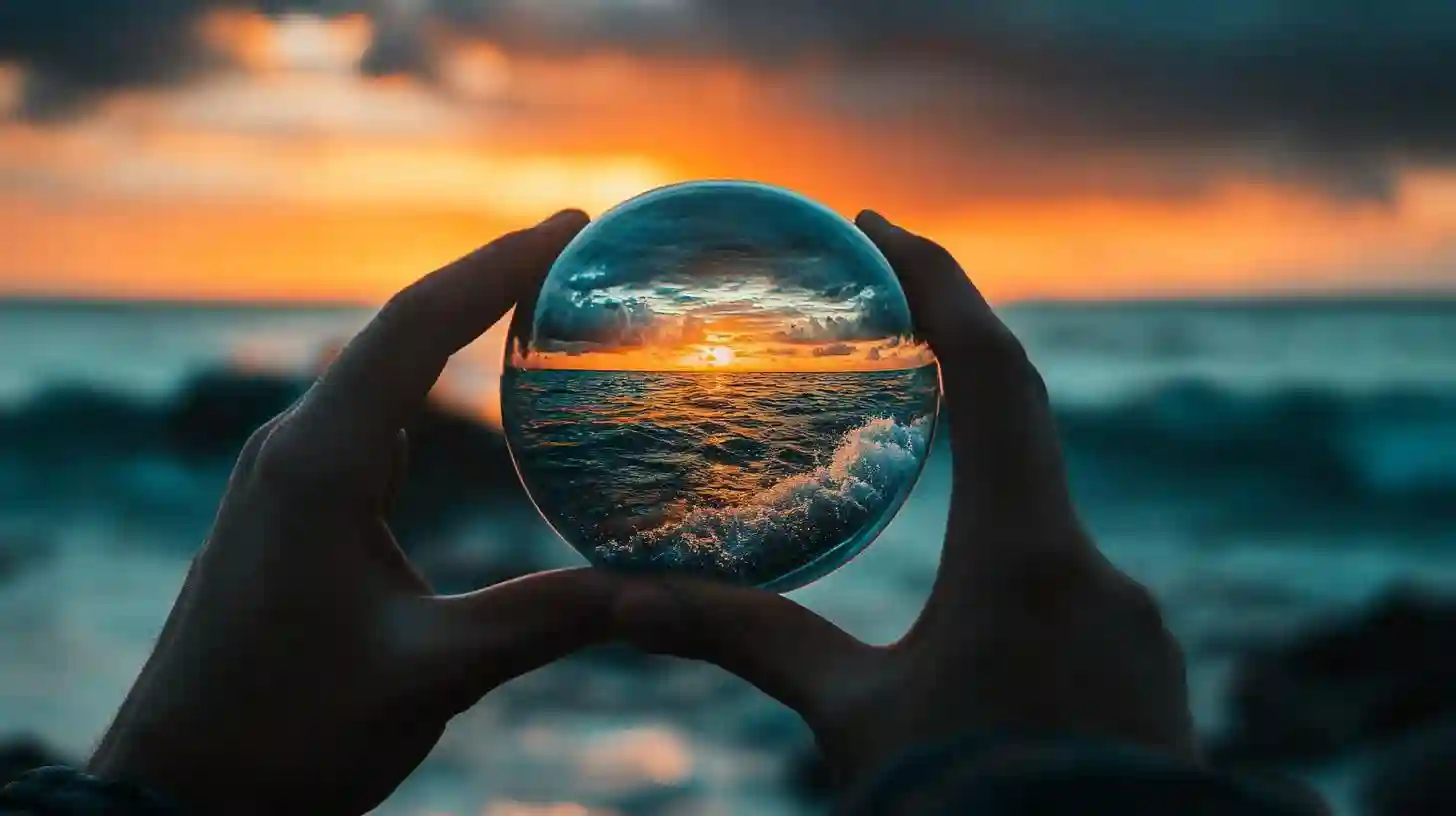
Mastering the art of photography is a rewarding journey that transcends merely capturing images; it encompasses expressing emotions, storytelling, and celebrating the beauty of the world around us. Whether you are picking up a camera for the first time or hoping to refine your skills, understanding the essential techniques and nuances of photography can elevate your craft. It is important to immerse yourself in the joy of the process rather than fixating solely on results.
To start with, becoming familiar with your camera is crucial. Understanding its various settings, buttons, and features allows you to manipulate the device effectively and adapt to different shooting situations. Spend time reading the manual, watching tutorials, or joining workshops, so you can confidently operate your camera and discover its capabilities. Many photographers lean towards either a digital single-lens reflex (DSLR) camera or a mirrorless camera, each with its advantages and disadvantages. Experimenting with both types will help you determine your preference, keeping in mind how each model handles light, focus, and image quality.
Once you feel comfortable with your camera, delve into the fundamental concepts of exposure, which consists of the three pillars: aperture, shutter speed, and ISO. Aperture refers to the opening in the lens that controls the amount of light entering the camera. A wider aperture creates a shallow depth of field, resulting in a blurred background while bringing the subject into sharp focus. Conversely, a smaller aperture increases the depth of field, allowing more of the scene to be in focus. Exploring this balance enables you to create photographs that either isolate a subject beautifully or capture expansive landscapes with remarkable detail.
Shutter speed influences the duration for which your camera’s sensor is exposed to light. A fast shutter speed is ideal for freezing action, while a slower shutter speed can introduce motion blur, which might be desirable in certain creative scenarios. Understanding how to manipulate shutter speed also allows you to tackle challenging lighting situations; for instance, slower speeds can be beneficial in low-light environments, as they facilitate more light entering the camera.
ISO essentially determines the sensor's sensitivity to light. A low ISO setting is generally advisable in bright situations to minimize noise or grain, while higher settings can come in handy when shooting in darker environments. However, higher ISO settings often introduce undesired noise, so it is essential to find a balance between sensitivity and image quality. As you practice, you will begin to internalize how these three elements interact, empowering you to achieve the exposure you desire.
One of the most valuable skills a photographer can develop is mastering composition. The arrangement of visual elements within your frame significantly impacts how a photograph resonates with its viewers. Consider incorporating guiding principles such as the rule of thirds, leading lines, and framing to enhance your imagery. The rule of thirds involves dividing your frame into a three-by-three grid and positioning key elements along these lines or at their intersections. This technique creates a dynamic balance in your composition and draws the viewer’s eye to important subjects.
Leading lines serve as natural pathways that guide the viewer's gaze through the image. Whether it be a winding road, a river, or architectural features, these lines can lend depth and a sense of movement. Additionally, framing involves using elements within the scene to create a "frame within a frame." This technique adds layers, enhances context, and helps focus attention on the primary subject, creating a more engaging composition.
Lighting is among the most critical factors in photography, as it profoundly influences the mood, color, and tone of your images. Natural light is often preferred for its versatility and organic quality. Many photographers favor the golden hour—shortly after sunrise and before sunset—when soft, warm light bathes the landscape, casting long shadows that add dimension. On overcast days, the diffused light can minimize harsh contrasts, presenting an ideal opportunity for capturing softer, more nuanced images.
While shooting in natural light is beneficial, understanding artificial lighting techniques is equally important. Mastering the use of flash or continuous lights, such as LED panels, can expand your repertoire and open new creative avenues. Experimenting with bounced light, diffusers, and reflectors can help control shadows and highlight textures in your subjects.
Post-processing is another integral aspect of photography that enhances your final images. Software like Adobe Lightroom or Photoshop offers tools for adjusting exposure, contrast, saturation, and sharpening. Learning how to navigate these applications can refine your images, providing an avenue for artistic expression. It is essential to strike a balance between enhancing your photos and maintaining their authenticity; the aim should be to elevate the captured moment rather than alter it beyond recognition.
In addition to technical skills, developing a unique style is vital for any photographer aspiring to make a mark in the industry. This evolution often stems from experimenting with different genres—be it landscape, portrait, street, or wildlife photography. As you shoot across a diverse range of subjects, you will begin to identify the themes and aesthetics that resonate with you. Finding your voice may take time, but this is a natural part of the artistic process that enriches your photography journey.
Further, community plays a significant role in artistic development. Engaging with fellow photographers through workshops, online forums, or local clubs fosters learning and motivation. Gaining insights from others' experiences, sharing critiques, and collaborating on projects can be invaluable in honing your skills. Constructive feedback offers a fresh perspective and may help you identify areas for improvement that you might have otherwise overlooked.
Practice is the cornerstone of improvement in photography. The more you shoot, the more you will develop an instinct for composition, lighting, and timing. Embrace both your successes and failures, as each photograph presents a lesson. Set achievable goals for yourself; perhaps challenge yourself to photograph a specific subject daily, or embark on a project that captures a theme across various seasons or environments. Your portfolio will flourish as you continuously push your boundaries and explore new creative avenues.
Mindfulness and awareness are also essential traits for any successful photographer. Cultivating an observant mindset enables you to recognize potential subjects and compositions throughout your daily life. Consider approaching each scene with curiosity and an open mind, allowing moments to unfold naturally. Practicing patience, particularly in dynamic environments or while working with wildlife, can yield incredible results.
Finally, remember that storytelling is at the heart of photography. Whether you aim to evoke emotion, provoke thought, or simply capture the beauty of an ordinary moment, every photograph tells a story. Delve deeper into your surroundings, seek connections between subjects and settings, and convey these narratives through your lenses.
Embracing the art of photography is a lifelong pursuit that brings joy, creativity, and fulfillment. With regard for technical skills, a keen eye for composition, understanding light's nuances, and an appetite for continuous learning, you can elevate your photography to new heights. As you embark on this journey, remain open to exploration, creativity, and the wonders that await discovery through your lens. The world is filled with stories waiting to be told; your camera is the key to capturing them.