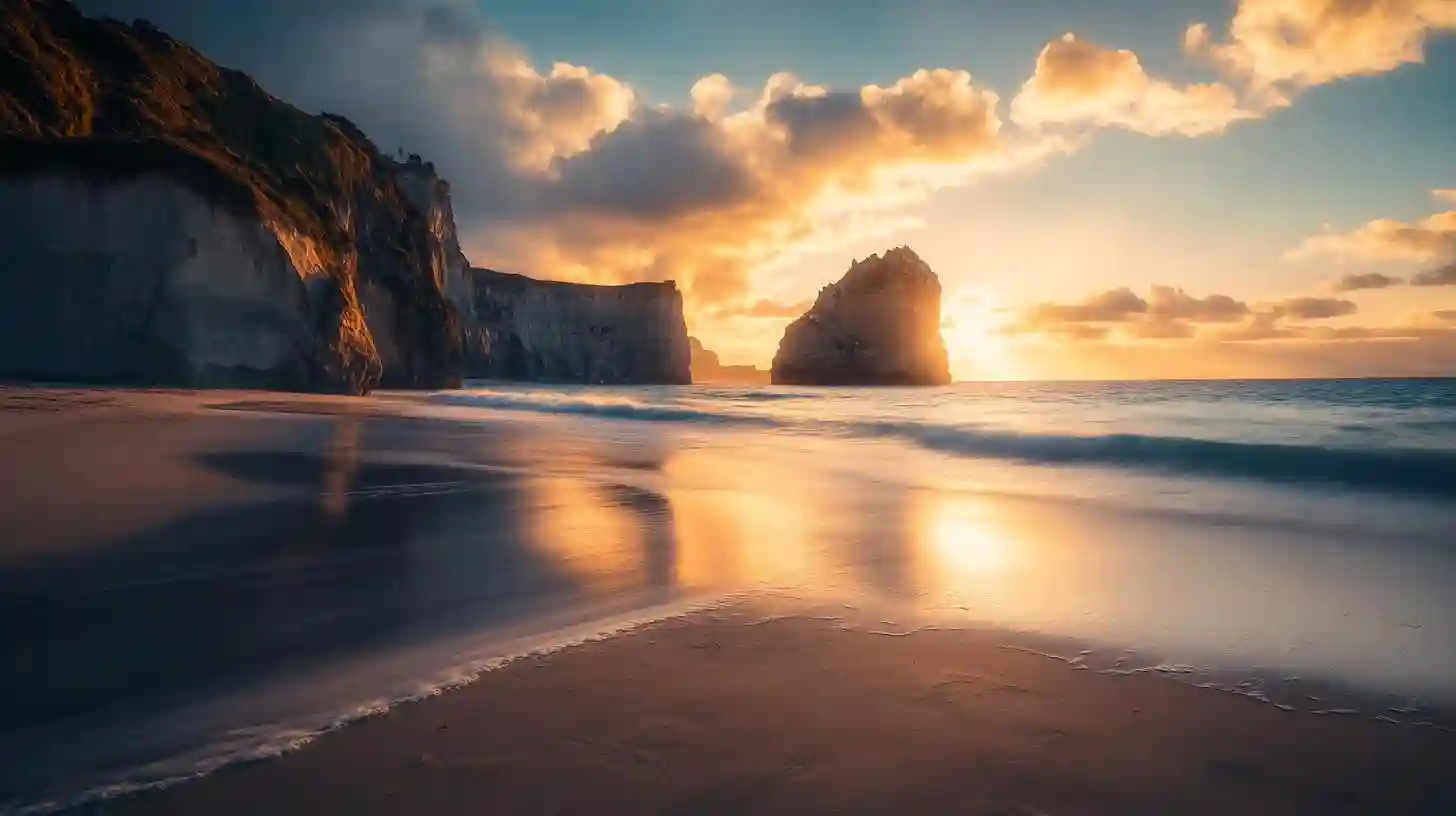
Long exposure photography is a captivating art form that allows photographers to transform ordinary scenes into dreamlike imagery. While many enthusiasts believe that long exposure techniques are best suited for nighttime or low-light conditions, achieving stunning long exposure shots during daylight hours is not only possible but can also yield spectacular results. With the right techniques, tools, and creative vision, photographers can harness the power of long exposures to create breathtaking images even when the sun is high in the sky.
One of the key challenges of long exposure photography during the day is managing the amount of light that enters the camera. Since long exposures can require shutter speeds ranging from several seconds to several minutes, unfiltered sunlight can quickly overwhelm the camera's sensor, resulting in overexposed images. To combat this issue, photographers can rely on neutral density filters, which reduce the intensity of light without altering the colors of the scene. These filters come in different strengths, allowing for versatile use in various lighting conditions. Utilizing a solid ND filter can enable longer exposures in even the brightest conditions, giving photographers the ability to create ethereal effects such as silky-smooth water and wispy clouds.
In addition to neutral density filters, photographers can also experiment with circular polarizing filters. These filters can reduce reflections and enhance saturation, adding depth to colors in the scene. While they do not provide the same level of light reduction as ND filters, when combined with them, circular polarizers can help enhance the overall quality of the photograph. This combination can be particularly effective when photographing landscapes, as it can enrich the hues of the sky and foliage while simultaneously managing glare from surfaces like water or wet stone.
When it comes to setup, a sturdy tripod is a fundamental piece of equipment for long exposure photography. The extended time the shutter is open can easily result in camera shake, even with the slightest movement. Photographers should invest in a solid tripod that can withstand both the weight of their camera and the elements. In addition, using a remote shutter release can prevent any movement caused by pressing the camera’s shutter button. For those who may not have a remote release handy, utilizing the camera’s self-timer feature is a viable alternative that minimizes shake.
Now, selecting the right subject is also essential when it comes to achieving stunning long exposure images. Fluid motions, such as flowing water, moving clouds, and bustling urban scenes, are excellent choices for long exposure photography, as they can create a sense of motion and dynamism within the static environment. For instance, capturing a waterfall with long exposure can yield a soft, silky appearance that contrasts beautifully with the rocks and foliage surrounding it. Alternatively, when photographing urban scenes, motion blur can convey the hustle and bustle of city life, transforming ordinary streets into vibrant, living canvases.
In addition to outdoor settings, photographers should embrace the artistry of long exposure techniques in scenes that comprise both stationary and moving elements. When combining static subjects, like trees or buildings, with moving elements, such as clouds or people, there is an opportunity to create a striking contrast that highlights the difference between permanence and transience. For example, capturing a lone figure walking across a busy street while keeping the buildings and architecture crisp can evoke a sense of story and time passing. This contrast showcases the stillness of the environment while revealing the motion within it.
Timing and selecting the right moment to press the shutter can also significantly impact the outcome of long exposure shots. Photographers should pay attention to the movement within their frame and anticipate when the desired elements will fall into place. Patience is often key, especially in busy urban settings where the flow of traffic or pedestrian movement can be erratic. Observing the scene carefully allows photographers to maximize their chances of capturing a compelling image. Likewise, for natural subjects like clouds and water, understanding how light interacts with these elements throughout the day can yield different results. Early mornings or late afternoons may provide softer light, while midday can create more intense and dramatic shadows, contributing to the overall mood of the photograph.
Many photographers also find it beneficial to embrace the post-processing stage of photography in conjunction with their long exposure techniques. While creating stunning images in-camera is paramount, digital editing can enhance and refine an image further. Tools like Lightroom and Photoshop allow photographers to adjust elements such as exposure, contrast, and colors to better align with their artistic vision. Subtle adjustments to clarity can help emphasize the textures in a scene, while color grading can set the mood, be it a warm sunset glow or a cool misty morning atmosphere. However, it is essential to maintain a balance, ensuring the final image retains a sense of realism while still reflecting the desired artistic interpretation.
One creative approach that many photographers enjoy is using light trails in urban settings. By capturing the ebb and flow of vehicle headlights and taillights, photographers can transform bustling streets into stunning abstract pieces of art. A prime location for this kind of work would be a bridge or an elevated area where a clear view of the traffic can be achieved. This technique relies on the movement of the vehicles within the frame while keeping the static components of the cityscape in focus — resulting in striking images filled with vibrant streaks of light weaving through a stable city environment.
When exploring locations for daylight long exposure shots, it's crucial to scout the surroundings first. Visiting a site during various times of the day allows photographers to observe how light interacts with their chosen subjects. The changing seasons also impact the quality of light and can add unique characteristics to each scene. Moreover, being aware of weather conditions can enhance the anticipated effects in long exposure photography. For instance, a cloudy day can soften light, adding atmospheric depth and reducing harsh contrasts that might otherwise detract from the desired effect in the images.
To conclude this journey into long exposure photography, it helps to remember that experimentation is at the heart of creativity. Photographers should feel free to push boundaries and try unconventional subjects and techniques. Whether capturing the gentle flow of a river, the dynamic activity of city traffic, or the ethereal movement of clouds, there is no right or wrong way to explore this technique. Embracing mistakes often leads to unforeseen creativity and inspiration, allowing each photographer to develop a unique style that resonates with their artistic voice. With patience and persistence, stunning long exposure shots can become a signature aspect of any photographer's portfolio, whether shot by the ocean, in the heart of a city, or amongst lush landscapes.