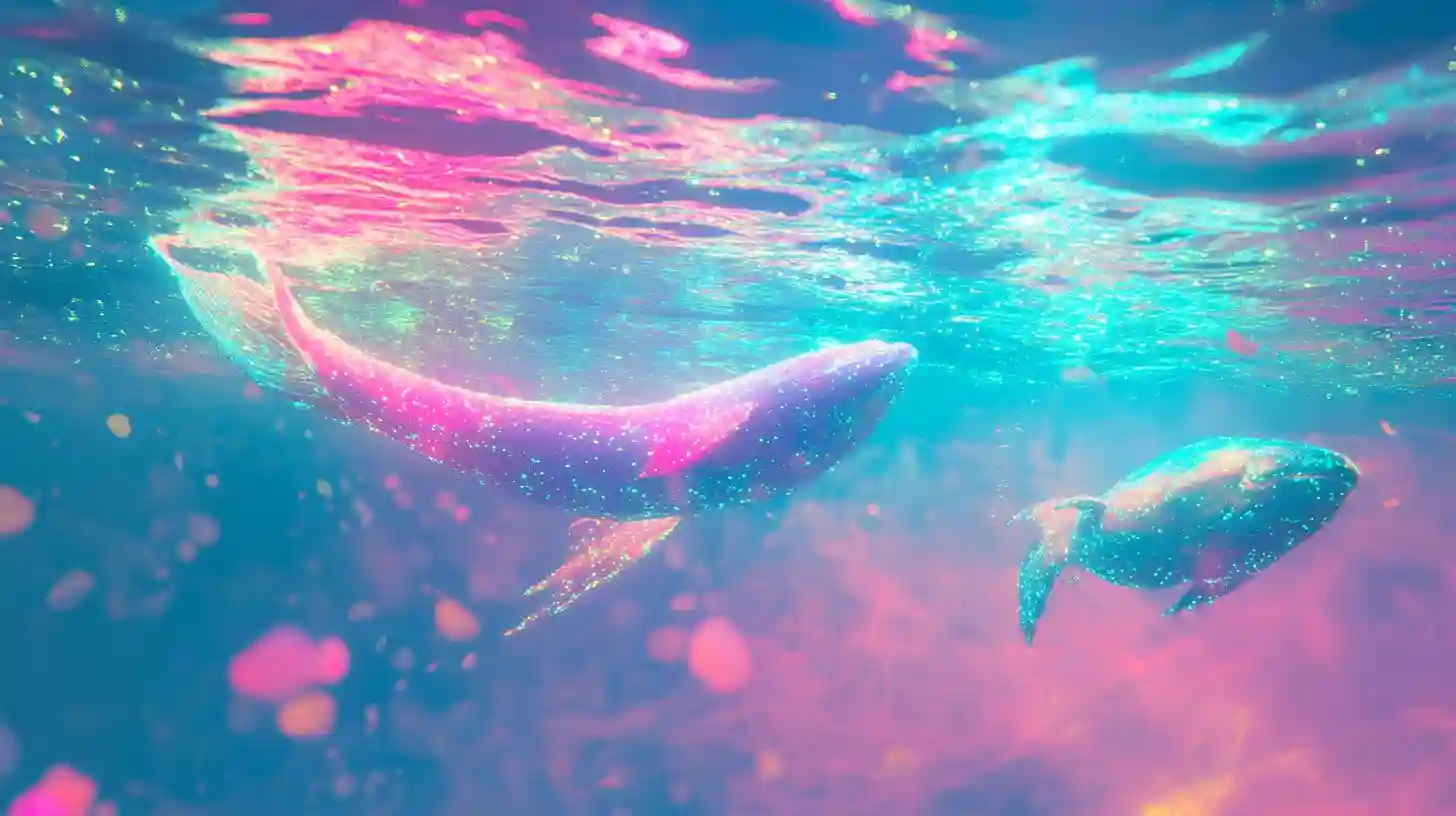
Underwater photography, a mesmerizing art form that captures the beauty and mystery of the aquatic world, has grown increasingly popular over the years. From the vibrant coral reefs teeming with colorful fish to the shadowy depths where strange creatures dwell, underwater photography invites viewers into a realm that is both fascinating and enigmatic. As an evolving discipline that combines elements of art, science, and adventure, it has attracted divers, scientists, and artists alike. The appeal of this genre lies not only in the stunning visuals it produces but also in the stories behind the images, each telling tales of a hidden world that often goes unnoticed by those above the surface.
To embark on the journey of underwater photography, one must first understand the unique challenges and rewards associated with pursuing this captivating medium. Water is a powerful element that affects light, color, and overall visibility, and thus presents numerous difficulties that photographers must navigate. One of the primary challenges encountered is the rapid diffusion of light as it penetrates the water. Unlike air, which allows light to travel relatively unobstructed, water filters natural light, resulting in a loss of color, especially red hues. As one descends deeper, the reds, oranges, and yellows fade away, leaving blues and greens as the predominant colors. It is crucial for underwater photographers to learn how to work with these shifting hues, often utilizing artificial lighting to enhance their images and restore vividness.
The choice of equipment also plays a significant role in the quality of underwater photography. Traditional cameras may be designed for use on land, but they lack the necessary protection against water damage. This necessity led to the development of specialized underwater housings tailored for various camera models. These housings provide waterproof protection, allowing photographers to safely capture images underwater. Additionally, photographers often invest in wide-angle or macro lenses, depending on whether they wish to capture sweeping landscapes or intricate details of marine life. Proper buoyancy control is also vital, as it helps the photographer maintain stability and minimize unwanted movement while capturing their subject. Weighing the equipment correctly ensures that one can concentrate on composition instead of worrying about floating uncontrollably.
Another crucial aspect of successful underwater photography is an understanding of marine life and their behavior. Creatures beneath the waves often respond to divers and photographers in various ways. Some species are curious and may approach, while others are skittish and will quickly swim away at the first sign of intrusion. Developing patience and a profound respect for the marine environment enhances the chances of capturing captivating images without causing undue stress or harm to the animals. Spending time observing behaviors will lead to better opportunities to photograph displays of courtship, hunting, or social interactions.
In addition to technical skills and knowledge, the creative aspect of underwater photography cannot be overlooked. Like traditional photography, underwater photography relies heavily on the principles of composition, lighting, and perspective. The ability to see and visualize unique angles and frames is essential for creating images that resonate emotionally with viewers. The colors, textures, and shapes found in marine environments present countless opportunities for artistic interpretation. Photographers often experiment with various techniques such as silhouettes, reflections, and the interplay of light and shadow to create striking images that stand out. These creative choices can turn a captivating scene into a memorable work of art that captures the imagination.
The more experienced photographers become, the more they find opportunities to push the envelope in what they can achieve beneath the surface. Advanced techniques such as underwater portrait photography, where models are posed within the marine environment, require a high level of skill and precision. This trend has gained popularity in recent years as divers and photographers collaborate to create ethereal images that blend human presence with nature. Not only does this practice highlight the beauty of both human form and marine landscapes, but it also raises awareness about the fragility of underwater ecosystems and the urgent need for their protection.
Traveling to various destinations around the world is a common aspect of the underwater photography journey. Each locale offers a unique underwater ecosystem, ranging from colorful coral reefs in tropical waters to the dramatic underwater landscapes of colder regions. The allure of exploring new environments serves as a strong motivating factor for many photographers, presenting opportunities for adventure and discovery. Some popular locations for underwater photography include the Great Barrier Reef in Australia, the cenotes of Mexico, and the crystal-clear waters of the Maldives. Each site possesses distinct features, promising incredible encounters with marine life and landscapes.
One cannot discuss underwater photography without addressing the conservation aspect that often accompanies endeavors in this field. As photographers immerse themselves in the underwater world, they often develop a sense of stewardship and responsibility toward the environments they explore. The fragility of marine ecosystems is becoming increasingly apparent as environmental issues, such as climate change, pollution, and overfishing, pose significant threats. Many underwater photographers are now using their images as a platform for conservation, aiming to raise awareness about the importance of protecting these precious underwater habitats. Social media and various campaigns allow photographers to reach broader audiences, educating the public about the challenges faced by marine life and inspiring action toward preservation efforts.
Moreover, underwater competitions and exhibitions have gained traction, providing a platform for enthusiasts to share their work while fostering a sense of community within the underwater photography realm. Events such as the Underwater Photographer of the Year competition celebrate talent and creativity, allowing photographers to showcase their finest images. These gatherings encourage collaboration, knowledge-sharing, and camaraderie among photographers, ultimately fueling the passion for exploring and capturing the wonders beneath the waves.
As the world of underwater photography continues to evolve, technology plays an increasingly significant role in shaping the future of the craft. Innovations in camera technology, virtual reality, and underwater drones are transforming the way photographers work in marine environments. Building on the foundation laid by earlier generations, modern photographers are leveraging tools to push the boundaries of creativity and exploration. Dive computers, underwater lighting systems, and advanced housing equipment reflect the growing synergy between technology and creative vision.
Ultimately, underwater photography transcends mere image capture; it is a powerful means of storytelling and connection. Photographers embody the role of ambassadors for the ocean, sharing the unseen wonders while advocating for marine conservation and sustainability. Their images echo the stories of the creatures and ecosystems they encounter, urging humanity to appreciate and protect the delicate balance of life beneath the waves. Through their lens, underwater photographers invite the world to witness the splendor of the oceans, igniting curiosity and inspiring future generations to explore, understand, and cherish the underwater realm. This passion for capturing beauty fuels an ongoing adventure that beckons daring souls to dive deep into the magic of underwater photography, revealing the extraordinary mysteries waiting beneath the surface.