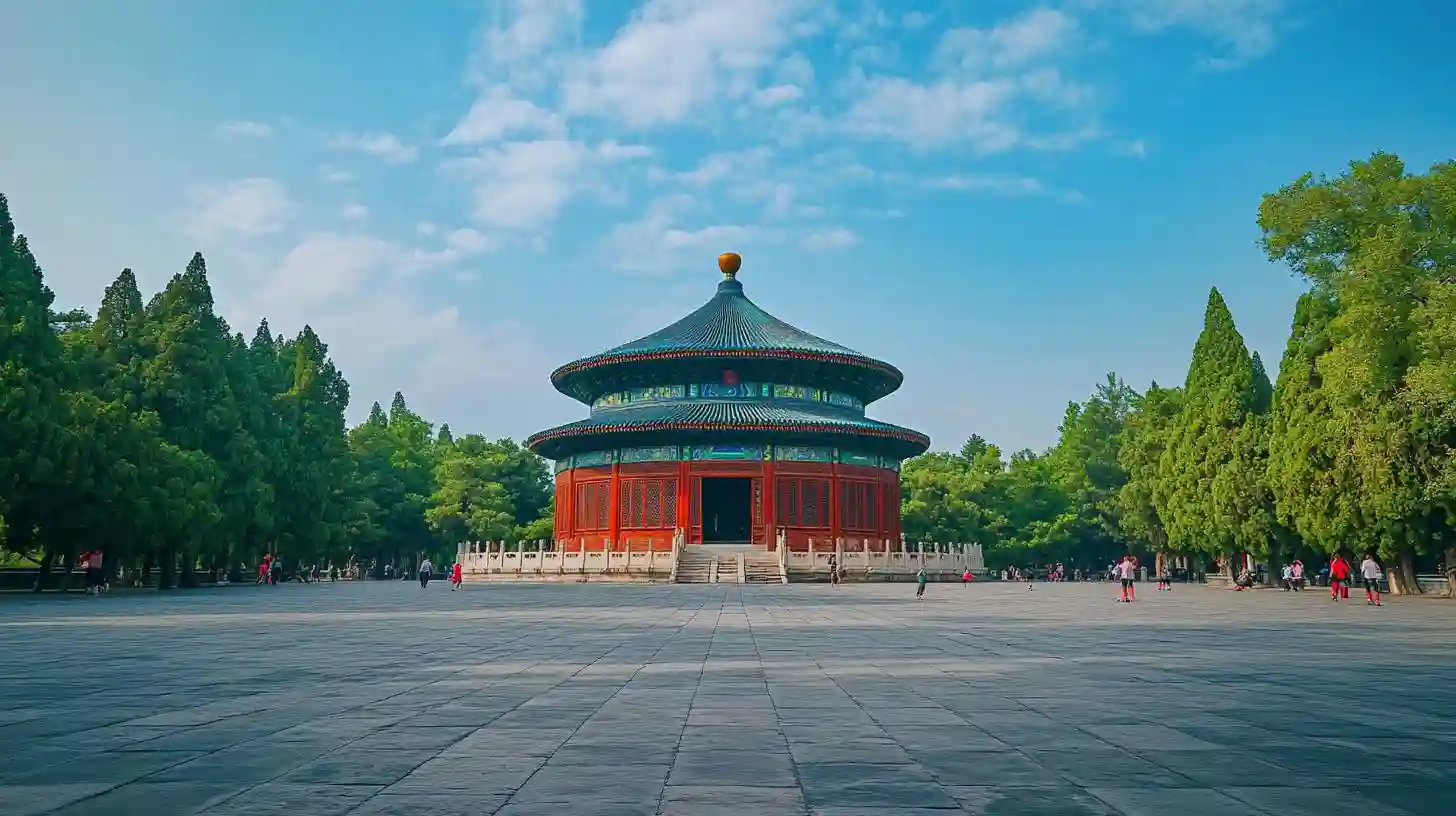
The Temple of Heaven Park, situated in the heart of Beijing, is not just a revered historical site but also an oasis of beauty and tranquility amid one of the world's most populous cities. Covering an impressive area of around 273 hectares, this expansive park serves as a remarkable escape from the hustle and bustle of urban life while providing a glimpse into the rich cultural heritage of China. The site is significant both for its architectural grandeur and its profound spiritual significance, providing insight into the philosophies and practices that have shaped Chinese culture for centuries.
The origins of the Temple of Heaven trace back to the early fifteenth century during the reign of the Yongle Emperor of the Ming Dynasty. The emperor, renowned for his monumental building projects, commissioned the construction of this sacred site as a place for imperial worship. Every year, emperors would go to the temple to offer sacrifices to Heaven, praying for good harvests and the prosperity of their realm. This tradition continued throughout the subsequent Qing Dynasty, making the Temple of Heaven a critical site for the ceremonial rituals of the imperial court.
As visitors enter the park, they are greeted by a breathtaking landscape that harmoniously combines natural beauty with careful architectural design. The overall layout of Temple of Heaven is derived from ancient Chinese cosmology, which is grounded in the principles of yin and yang and the balance of forces in the universe. The temple complex is meticulously organized to mirror the cosmos, with its circular constructions representing Heaven and square ones denoting the Earth. This duality expresses the profound belief that the Emperor was the connector between these realms, tasked with maintaining balance through rituals.
The highlight of the Temple of Heaven complex is undoubtedly the Hall of Prayer for Good Harvests, a magnificent structure that captures the imagination of all who visit. This three-tiered circular building, adorned with vibrant blue tiles and striking gold accents, stands majestically upon a raised platform. The intricate carvings, colorful motifs, and the elaborate wooden construction without the use of nails are a testament to the exceptional craftsmanship of the time. The hall was used by emperors during the winter solstice to pray for abundant harvests, reflecting the close relationship between the power of the ruler and the agricultural prosperity of the land.
Another significant structure within the park is the Imperial Vault of Heaven, encircled by the Echo Wall, which features remarkable acoustics that allow even the slightest whisper to be heard clearly on the opposite side. This architectural marvel is not only functional but also serves as a symbol of the deeper connections between concepts of sound and spirituality in ancient Chinese culture. The echoes created within the confines of this wall evoke feelings of reverence and contemplation, inviting visitors to experience the transcendent qualities of the sacred space.
The surrounding gardens and pathways of the Temple of Heaven Park add to its allure, beckoning visitors to explore the meticulously landscaped grounds that are home to a diverse range of flora and fauna. As one strolls through the park, the vibrant colors of seasonal flowers and the calming presence of ancient cypress trees inspire moments of reflection and appreciation for nature's beauty. The park serves as an essential green space for the people of Beijing, offering a retreat for exercise, social interaction, and relaxation.
One cannot visit Temple of Heaven Park without witnessing the plethora of daily activities that life within the park offers. Mornings are especially vibrant, filled with sights and sounds of local residents engaging in tai chi, performing traditional dances, or practicing martial arts. The peaceful ambiance of the park creates a canvas for these practices, which are not only forms of exercise but also rituals steeped in centuries-old traditions. Visitors are often enchanted by the sight of elderly men and women gracefully moving in unison, their tranquil expressions embodying a harmonious blend of physicality and spiritual focus.
Artisans and musicians frequently gather in the park, offering a glimpse into the vibrant cultural practices still alive today. From showcasing traditional Chinese music to displaying handcrafted items, the park is a living gallery of creativity and cultural pride. The interactive environment encourages visitors to engage with local artists, allowing moments of connection and shared appreciation for the rich heritage of the region. For many, this cultural immersion enhances the experience of visiting the Temple of Heaven Park and deepens their understanding of Chinese traditions.
As a UNESCO World Heritage Site, Temple of Heaven Park has been recognized for its outstanding universal value and is considered an emblematic representation of Chinese architectural and cultural prowess. The preservation of this site signifies the importance of safeguarding cultural heritage for future generations, ensuring that the stories and practices of the past remain alive within the communal memory of the people. The park's thoughtful conservation efforts, paired with ongoing education initiatives, aim to foster appreciation for the complex history that underpins this landmark.
With its blend of spirituality, artistry, and landscape design, the Temple of Heaven Park stands as a testament to China's historical and cultural tapestry. It draws millions of visitors each year, from local families celebrating festivals to international tourists seeking to understand the essence of Chinese civilization. The juxtaposition of the city's modern towers on the horizon with the ancient structures within the park serves as a powerful reminder of time's passing while illustrating the endurance of cultural traditions.
Throughout the year, the park transforms, highlighting seasonal changes and cultural significance tied to various festivals. On the eve of the Lunar New Year, the Temple of Heaven Park becomes a site of celebration, where locals gather to pay respects, perform traditional rituals, and participate in vibrant festivities. The atmosphere pulsates with joy and communal spirit, drawing people of all ages to share in the experience of renewal and the hope for prosperity in the coming year.
Whether one visits to admire the architectural splendor, engage with the rich cultural practices, or simply to enjoy a moment of tranquility away from the frenetic pace of life, the Temple of Heaven Park offers a multitude of experiences that touch the soul. Its layers of meaning and historical significance continue to resonate with visitors, making it not only a landmark but a cherished symbol of resilience, harmony, and the enduring connection between humanity and the divine.
In every sense, the Temple of Heaven Park is an invaluable part of Beijing's identity, encapsulating centuries of history within its sacred walls. It serves as a reminder of the past, a celebration of the present, and an inspiration for the future, beckoning everyone to pause, reflect, and appreciate the ongoing journey of cultural expression and spiritual engagement that defines this remarkable site. The park stands as a bridge linking generations, resonating with the echoes of prayers offered to the heavens, and inviting all to partake in the beauty of life itself.