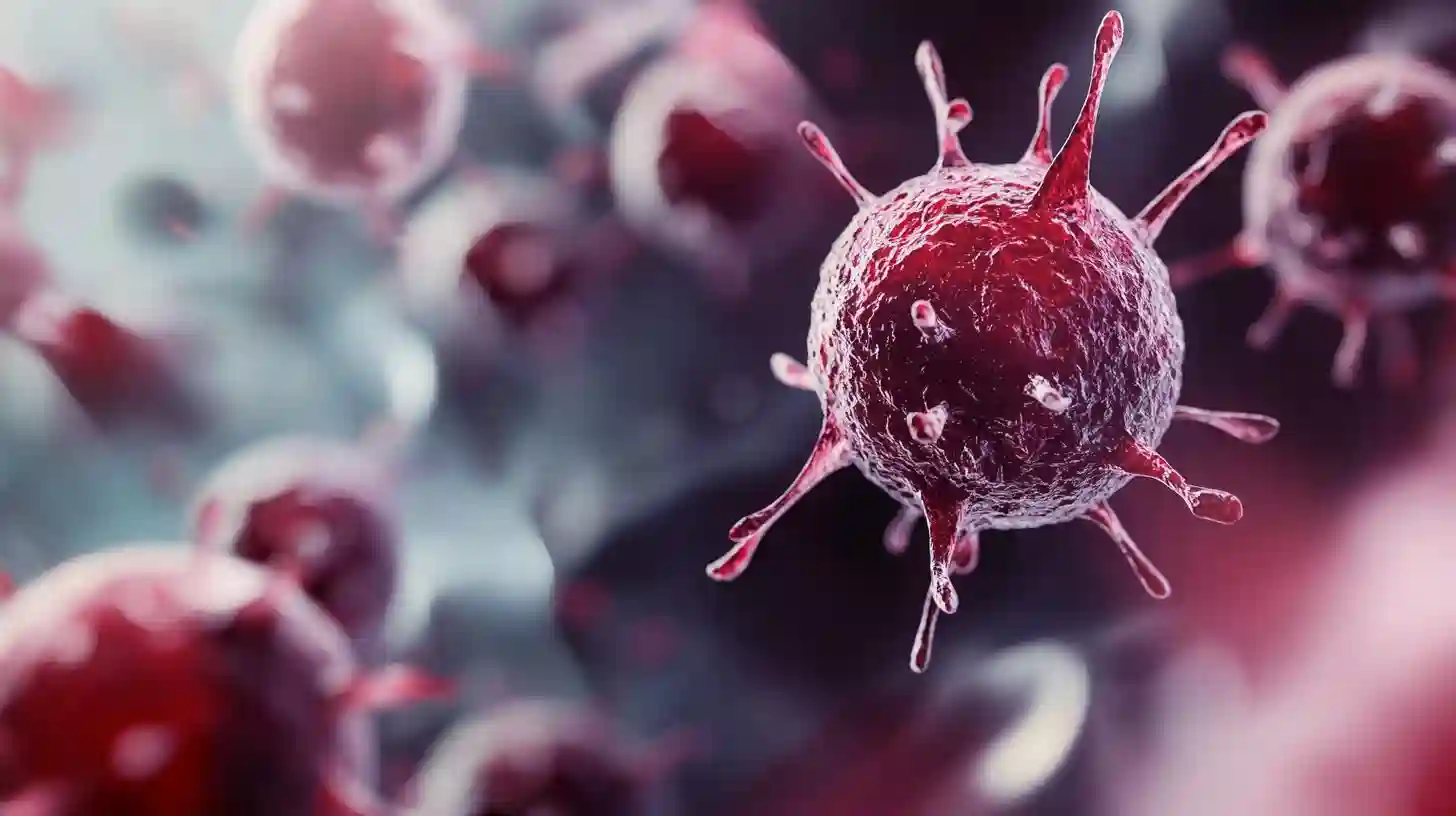
White blood cells, also known as leukocytes, play a pivotal role in the immune system, serving as the body’s primary defense against infectious agents such as bacteria, viruses, fungi, and parasites. These cells are integral to the immune response and orchestrate a plethora of activities to protect the body from pathogens. Unlike red blood cells, which are primarily responsible for transporting oxygen throughout the body, white blood cells are the warriors of the immune system, constantly patrolling for threats.
There are several distinct types of white blood cells, each with its specialized functions. The two primary categories are lymphocytes and myeloid cells. Lymphocytes include T cells, B cells, and natural killer cells, which play crucial roles in recognizing and responding to invaders. T cells are further divided into several subsets, including helper T cells, which assist other immune cells, and cytotoxic T cells, which directly kill infected cells. On the other hand, B cells are responsible for producing antibodies, proteins that specifically bind to pathogens and mark them for destruction.
Natural killer cells are particularly interesting, as they do not require prior exposure to a pathogen to be activated. Instead, they can recognize and attack cells that appear abnormal, such as those infected with viruses or cancerous cells. Myeloid cells, which include neutrophils, eosinophils, basophils, monocytes, and macrophages, also contribute significantly to the immune defense. Neutrophils are typically the first responders to an infection, rapidly moving to the site of infection and engulfing pathogens through a process known as phagocytosis. Eosinophils play a crucial role in combating larger parasites, such as worms, while basophils are involved in inflammatory responses and releasing histamine during allergic reactions.
Monocytes are another essential type of myeloid cell. When they leave the bloodstream and enter tissues, they differentiate into macrophages or dendritic cells, both of which are vital for creating a robust immune response. Macrophages can consume pathogens and dead cells, cleaning up the site of infection. Additionally, they play a critical role in activating other immune cells by presenting pieces of the pathogens on their surfaces, which helps activate T cells.
The differentiation and activation of white blood cells are tightly regulated by various signaling molecules, including cytokines and chemokines. These proteins serve as important communication tools within the immune system. Cytokines are produced by immune cells and can influence the behavior of other cells, promoting inflammation, directing cell migration, or assisting in cell differentiation. Chemokines, a subset of cytokines, specifically guide white blood cells to sites of infection or inflammation, ensuring a rapid and coordinated response to a threat.
Another critical aspect of white blood cells is their ability to remember past infections, a feature that is central to the concept of adaptive immunity. Once a pathogen has been encountered, memory T cells and memory B cells remain in the body. In the event of a subsequent exposure to the same pathogen, these memory cells can mount a much faster and more effective response compared to the primary immune response. This mechanism is the basis for how vaccinations work, as they expose the immune system to a harmless part of a pathogen, training it to recognize and combat future infections more efficiently.
Notably, the role of white blood cells extends beyond just fighting infections. They are also involved in tissue repair and healing. After an injury, macrophages migrate to the site of damage to clean up debris and dead cells. They then release growth factors that facilitate the healing process by promoting the proliferation and differentiation of local cells. This role positions white blood cells as essential players not just in immune defense, but also in the maintenance of overall tissue homeostasis.
In addition to fighting pathogens and aiding in tissue repair, white blood cells are involved in the regulation of inflammation, which is a crucial process in response to infection or injury. While inflammation is essential for recruiting white blood cells to the site of infection and initiating repair processes, chronic inflammation can lead to tissue damage and contribute to various diseases, including autoimmune disorders. White blood cells play a dual role by producing inflammatory mediators that initiate and propagate inflammation, as well as anti-inflammatory signals that help resolve the inflammatory response when it is no longer needed.
The interplay between white blood cells and other components of the immune system, including antibodies produced by B cells and the complement system, shapes how the body defends itself against pathogens. The complement system consists of proteins that work alongside white blood cells to enhance their ability to eliminate microbes. When activated, these proteins can mark pathogens for destruction, recruit additional immune cells, and even directly lyse pathogens.
Moreover, the study of white blood cells extends beyond basic science into clinical applications. Understanding how these cells function can lead to significant advancements in medicine, particularly in immunotherapy, which harnesses the body’s immune system to combat diseases such as cancer. Certain therapies aim to enhance the activity of T cells, allowing them to recognize and attack tumor cells more effectively. Others may involve the use of monoclonal antibodies to target specific pathogens or cancer cells, leveraging the body's immune response for therapeutic benefit.
Research continues to uncover the complexity of white blood cells and their functions. Investigations into how these cells respond to different environmental factors, such as diet, stress, and microbiome composition, can provide insights into immune health. For instance, emerging research suggests that a healthy gut microbiome can influence the maturation and activity of white blood cells, subsequently affecting overall immune responses. Likewise, chronic stress has been shown to impact the function of these cells, potentially making the body more susceptible to infections.
Furthermore, advancements in technologies such as single-cell RNA sequencing allow scientists to delve into the heterogeneity of white blood cells, examining how individual cells respond to various stimuli. This understanding can lead to breakthroughs not only in immunology but also in the treatment of autoimmune diseases, allergies, and cancers.
While the importance of white blood cells is well established, challenges persist in fully understanding their roles in health and disease. As research continues to evolve, it promises to deepen our knowledge of the immune system and improve approaches to harnessing the power of white blood cells for therapeutic benefits. By appreciating the multifaceted functions of white blood cells, we gain a deeper understanding of not only how our bodies defend against illness but also the broader dynamics of health and disease. This knowledge underscores the essential nature of these cells and their place at the forefront of the body’s defense strategies.