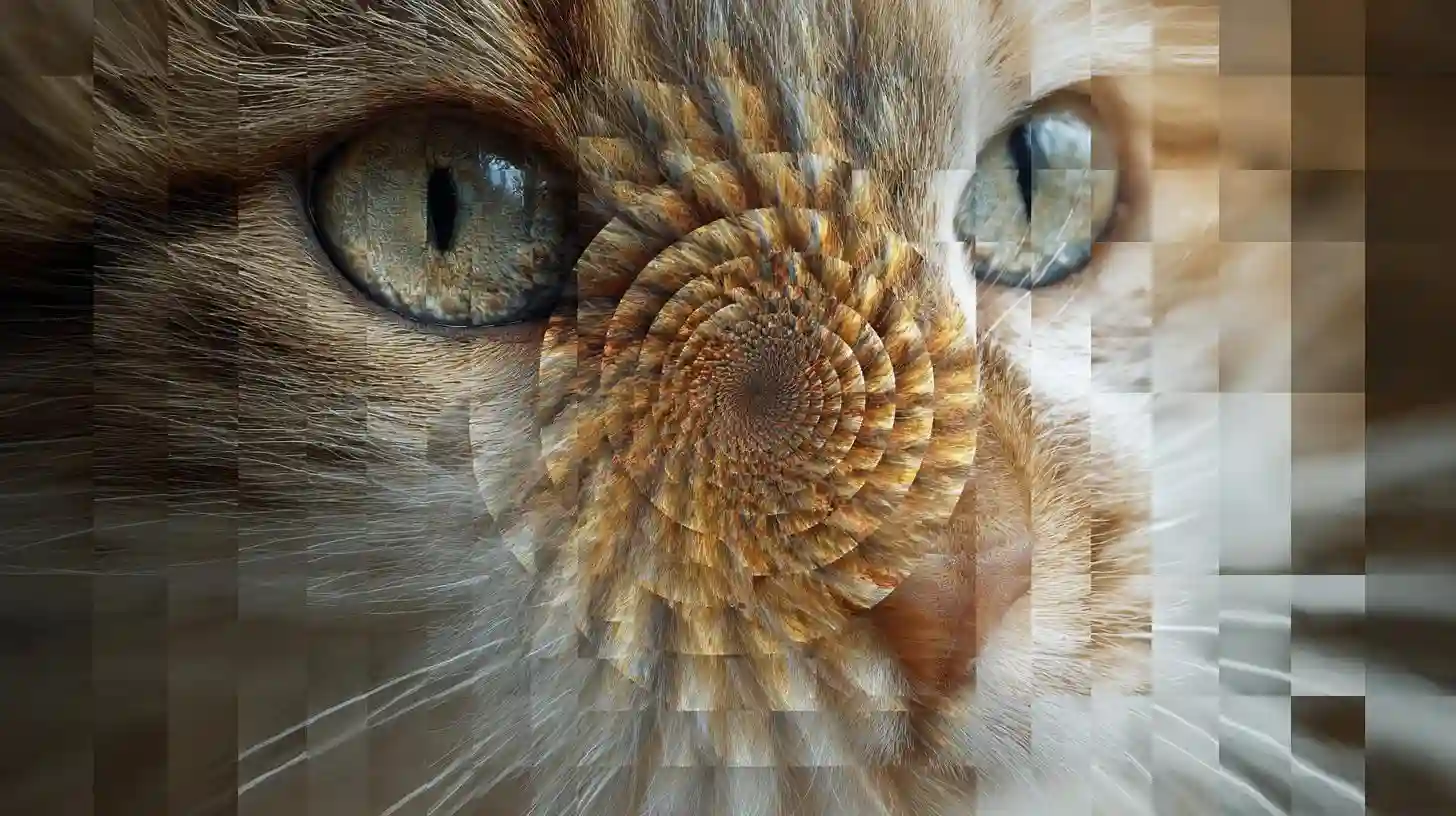
Genetic mutations play a crucial role in shaping both the behavior and appearance of animals. These changes in the DNA sequence can occur naturally and may result from various environmental factors or errors during cell division. Some mutations can have subtle effects, while others can lead to dramatic alterations in an animal's physical traits or behavioral patterns. In some cases, mutations might provide advantages that increase the chances of survival and reproduction, while in others, they may be detrimental or even lethal.
Mutations affecting behavior are often linked to changes in the brain and nervous system. For example, a single genetic alteration can influence how an animal responds to stimuli, learns new behaviors, or interacts with its environment. A mutation in the dopamine receptor gene, for instance, has been shown to alter the social behaviors of certain animals. Such changes may make them more or less aggressive or affect their ability to form bonds with others of the same species. This can have long-term effects on the species' survival and social structure.
On the other hand, mutations affecting an animal's appearance can range from subtle color changes to more striking transformations. A mutation that causes a change in pigmentation, such as the absence of pigment in albino animals, can make an animal more vulnerable to predators, but in some cases, it can be a form of camouflage in specific environments. Similarly, changes in the structure of an animal's body can have evolutionary benefits, like enhanced mobility or better adaptation to specific habitats. A mutation causing a longer beak in a bird species, for example, could enable the bird to reach food that other birds cannot, giving it an edge in obtaining resources.
These genetic mutations, whether influencing behavior or physical traits, contribute to the diversity of life on Earth. Over generations, they can lead to the development of entirely new species or the extinction of others, depending on how the mutations impact the animals' ability to survive and reproduce in their environment. The interaction between genetic mutations and environmental factors is a key driver of evolution and the vast array of animal behaviors and appearances observed in nature.