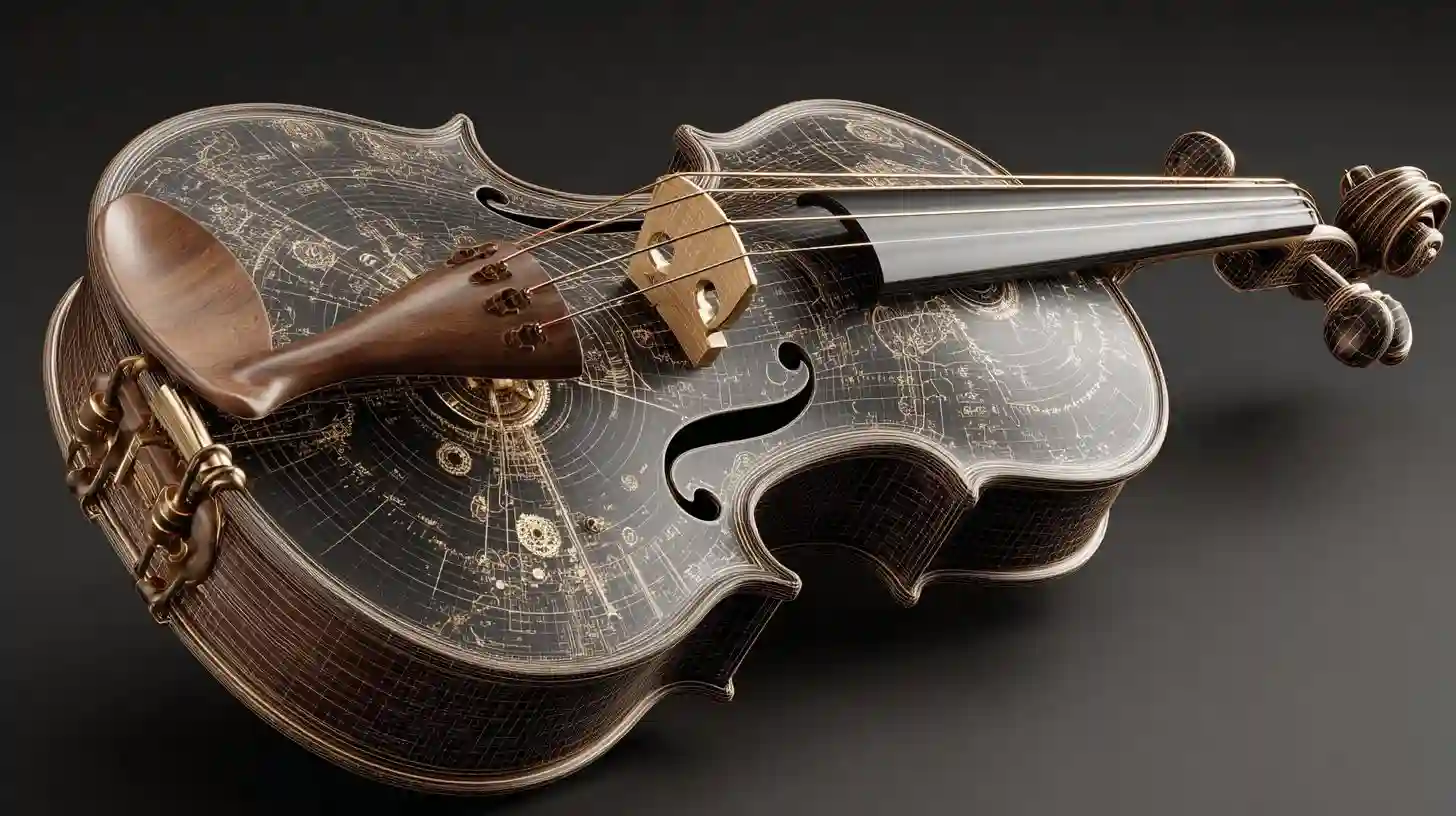
3D printing has significantly transformed the way violins are designed and customized, offering exciting possibilities for both manufacturers and musicians. The ability to create intricate, precise parts with great ease has allowed violin makers to explore new design concepts that were previously difficult or even impossible to achieve with traditional methods. By using advanced materials that can replicate the acoustics of wood or even enhance them, 3D printing opens doors to personalized instruments tailored to the specific preferences of individual musicians.
One of the most notable impacts is the customization aspect. 3D printing allows musicians to work directly with makers to design violins that fit their unique playing styles. This includes adjustments to the shape, size, and even the weight of the instrument, which can influence comfort and performance. Musicians can choose from a variety of materials, ranging from different types of plastics and composites to advanced resin that mimics the properties of traditional woods like spruce and maple. These customizations can improve ergonomics, acoustics, and aesthetic appeal, offering a level of personalization previously unheard of in the violin-making world.
Moreover, the potential for 3D printing extends beyond the body of the violin. Accessories such as chin rests, fingerboards, and bridges can also be customized with precise measurements and materials. The technology allows makers to optimize these components for better sound production, comfort, and durability. For example, bridges can be engineered with complex internal structures that optimize vibration transmission, leading to enhanced tonal quality.
For violin makers, 3D printing is not just about customization; it also offers significant advantages in terms of efficiency. The rapid prototyping capability means that new designs can be tested and refined quickly, reducing the time required for traditional trial and error processes. Additionally, it allows for the creation of complex parts with greater accuracy, eliminating much of the guesswork that typically comes with handcrafting these components.
This shift toward 3D printing in violin design also challenges the traditional notion of craftsmanship. While some purists may be resistant to the idea of a machine-created instrument, others embrace the new possibilities it presents. The future of violin making seems to lie in a harmonious blend of technology and traditional artistry, where 3D printing could enhance the creative process while preserving the craftsmanship that defines this centuries-old instrument.