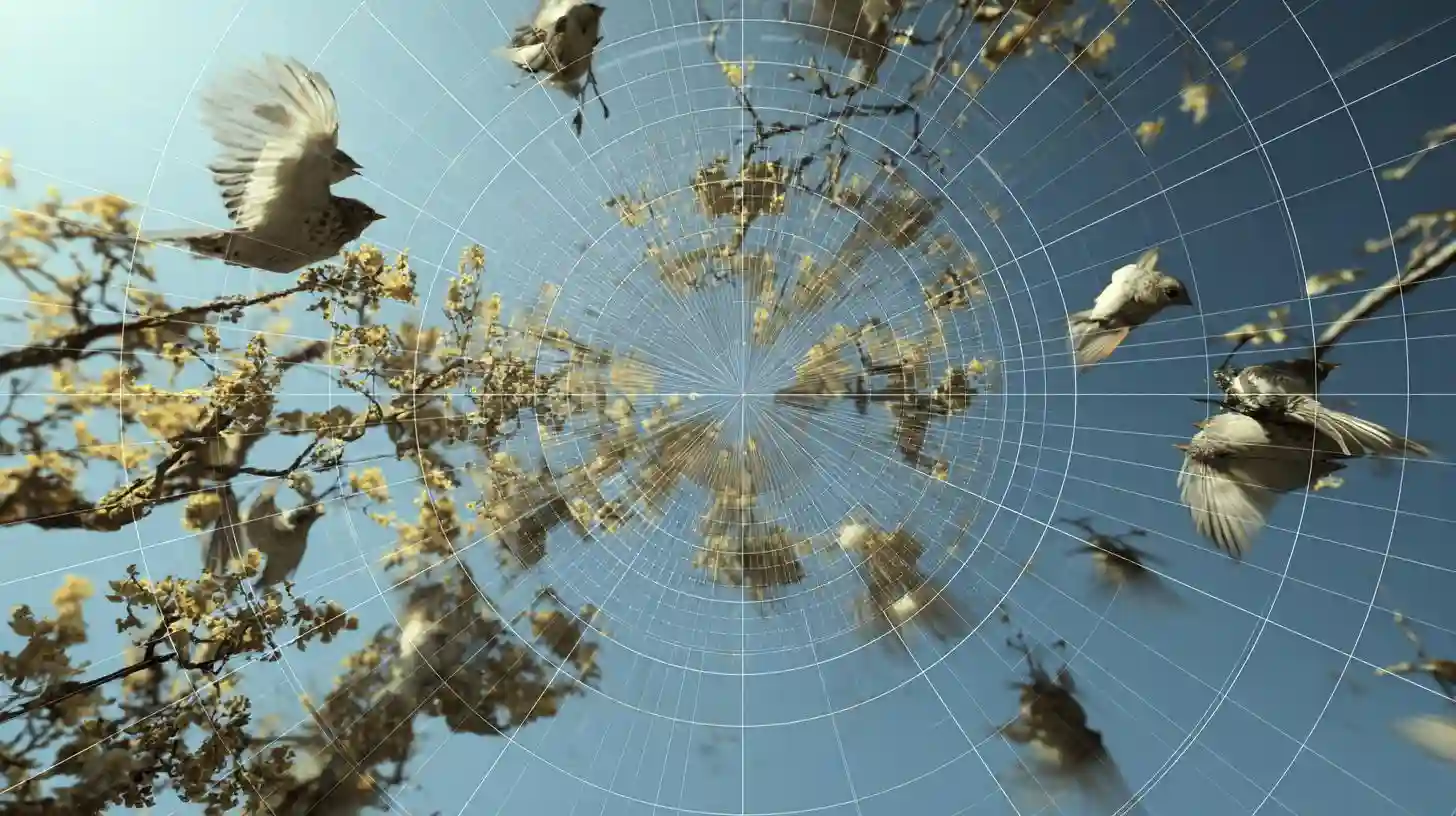
Birds play a crucial role in the process of seed dispersal, which is essential for the regeneration and spread of many plant species. As they move from one location to another in search of food or migration, they unknowingly carry seeds with them, either externally attached to their feathers or internally after consumption. This natural process helps in the distribution of seeds across wide areas, allowing plants to colonize new environments and increase their chances of survival. The ability of birds to fly over long distances makes them particularly effective at transporting seeds to regions far from the parent plant. This, in turn, helps to avoid overcrowding and competition among seedlings, which would otherwise occur if all the seeds fell in the same area. Additionally, certain bird species are attracted to specific plants that provide them with the food they need, such as fruits, nuts, or nectar. When these birds feed on the plants, they ingest seeds, which then pass through their digestive systems and are deposited in different locations, often in a more fertile environment. This method of seed dispersal not only enhances the spread of plant species but also contributes to the genetic diversity of plant populations, as seeds are dispersed across varied environments. Birds have also been known to cache seeds, hiding them for later consumption. While some of these seeds are forgotten and eventually germinate, this behavior further contributes to the regeneration of plants. The relationship between birds and plants is deeply interdependent, with each benefiting from the other in a way that supports the broader ecosystem. Without birds, many plants would struggle to regenerate, and the biodiversity that we often take for granted would be significantly reduced.