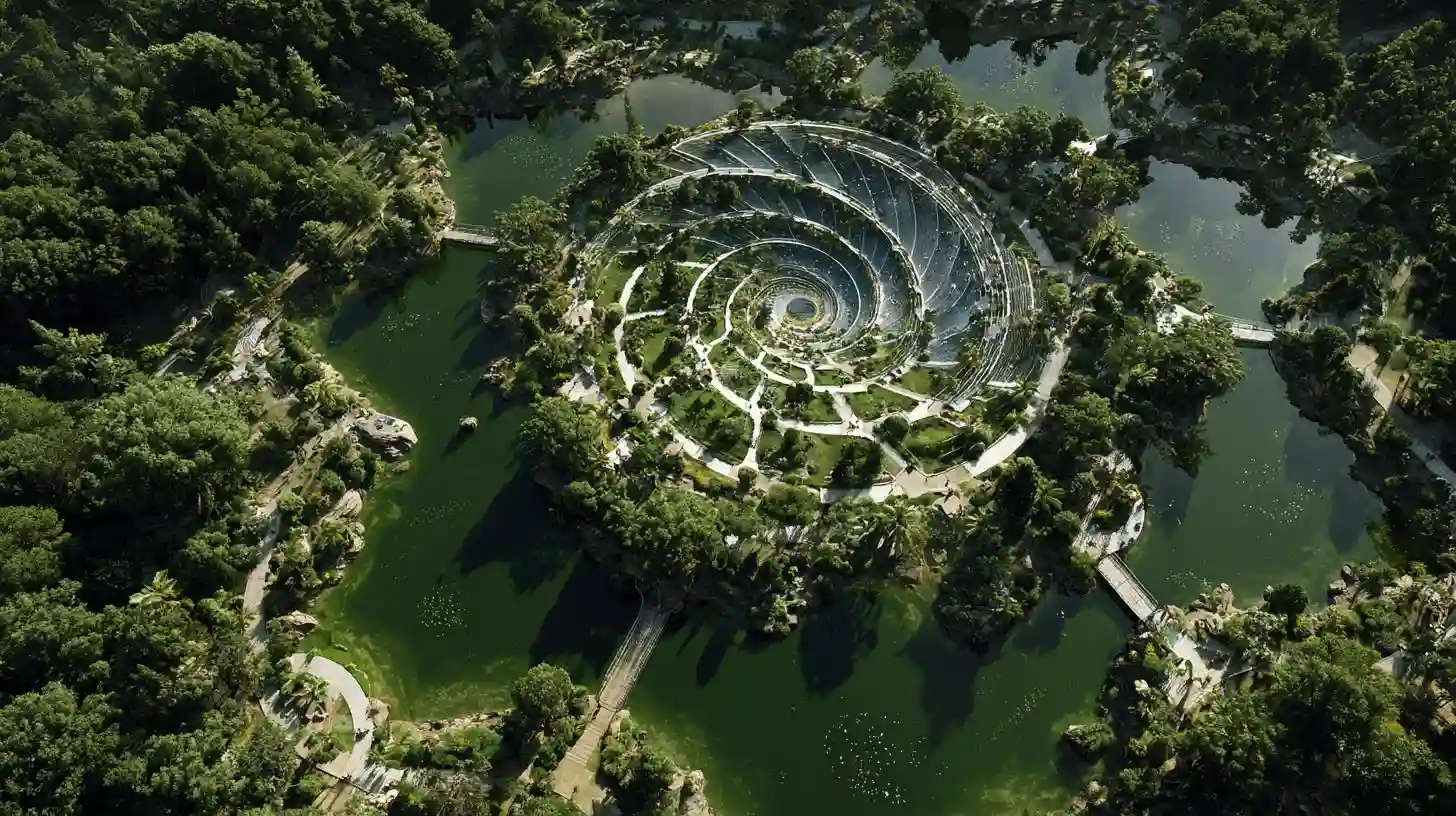
As cities grow rapidly and urban sprawl continues to expand, the importance of green spaces within urban environments has never been more critical. Green spaces, such as parks, gardens, and urban forests, provide multiple ecological, social, and psychological benefits. They serve as vital components of urban planning, promoting biodiversity and mitigating the adverse effects of pollution. With more people living in densely populated areas, the future of these green spaces will play an essential role in ensuring sustainable cities.
Urban green spaces are increasingly recognized for their role in combating climate change. By providing a natural habitat for various species, they help maintain biodiversity, even in cities. These spaces absorb carbon dioxide, reduce the urban heat island effect, and contribute to improved air quality by filtering pollutants. Green areas also manage stormwater runoff, reducing the risk of flooding by allowing water to be absorbed into the ground rather than running off into drains and streets. This makes them essential in enhancing the resilience of cities against extreme weather events linked to climate change.
On a social level, urban green spaces provide individuals with opportunities to connect with nature, which can have profound effects on mental health and well-being. They offer an escape from the hustle and bustle of city life, encouraging physical activity and relaxation. Additionally, green spaces foster social interaction and community engagement. Parks and public gardens often become gathering places for people of all ages, providing spaces for recreational activities, socializing, and cultural events, which strengthen the social fabric of urban areas.
As urban populations continue to rise, city planners and architects are increasingly focusing on integrating green spaces into their designs. The future of these spaces will likely include more innovative and sustainable approaches. Vertical gardens, green rooftops, and the transformation of abandoned urban areas into green oases are just a few of the creative solutions being explored. These modern approaches aim to maximize limited space while providing environmental and social benefits.
The growing awareness of environmental issues, coupled with the increasing demand for sustainable urban living, makes the future of urban green spaces an exciting and essential aspect of urban development. These spaces are not only vital for the health of the planet but also for the well-being of urban residents, making them an indispensable element in the design of cities moving forward.