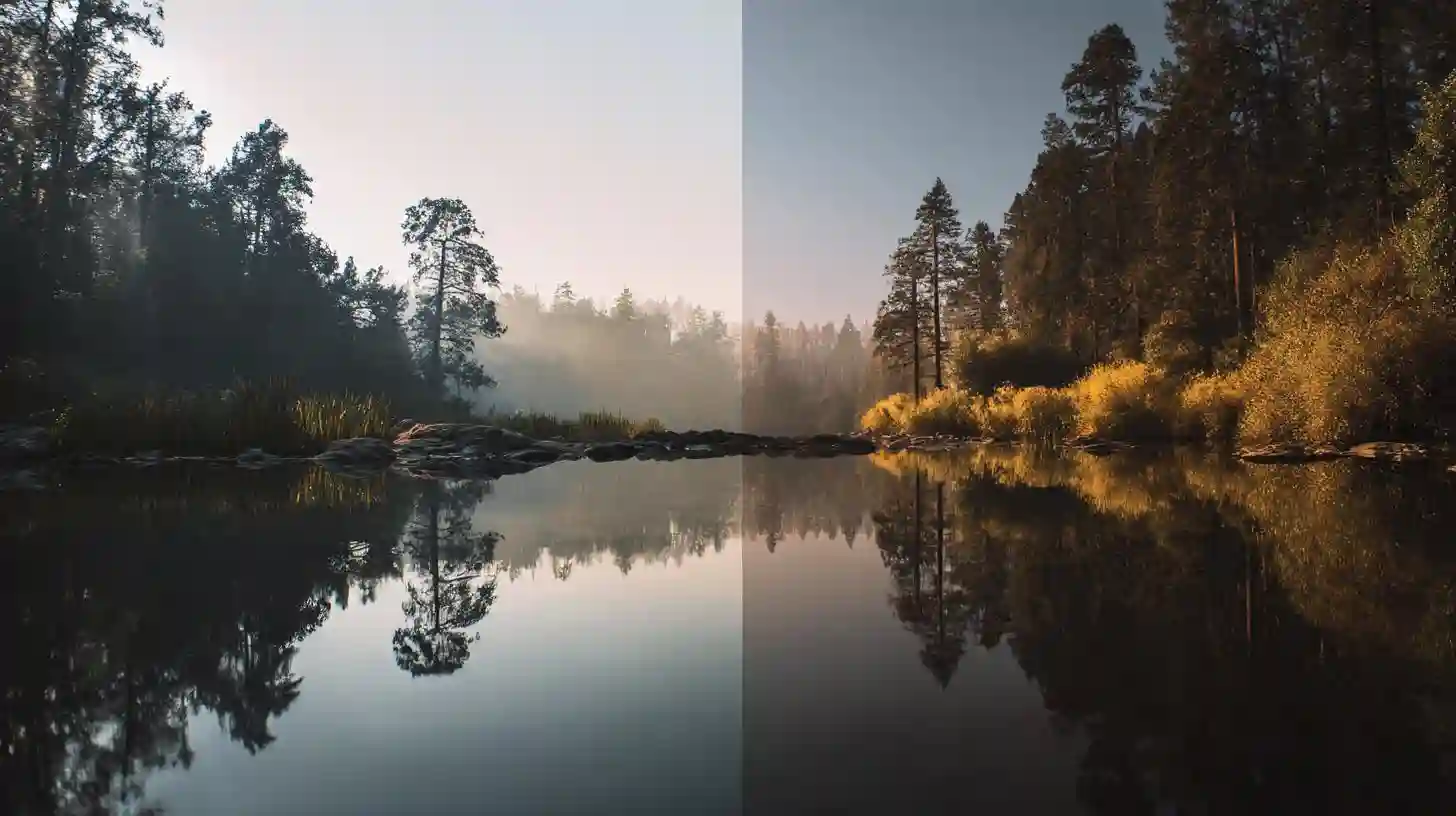
When selecting the right ND filter for various lighting conditions, it is essential to consider several factors that affect exposure, image quality, and desired effects. ND filters come in a variety of strengths, which determine how much light is blocked from entering the camera. Lighter ND filters are suitable for overcast days or indoor settings with controlled light, while stronger filters are necessary for bright daylight or capturing scenes with intense sunlight.
The strength of an ND filter is often measured in stops, which refer to how much light the filter reduces. A one-stop ND filter halves the amount of light reaching the camera sensor, while a two-stop filter halves it again. In extremely bright lighting, such as midday sunlight or when shooting on snow, a higher-strength ND filter, like those with a six-stop or more rating, is required to prevent overexposure and ensure a properly balanced exposure.
For motion blur effects, particularly in long exposure photography, the choice of ND filter also depends on the length of the exposure you intend to achieve. The longer the exposure, the stronger the ND filter you will need to prevent the image from becoming too bright. A filter that reduces light by several stops can allow you to maintain proper exposure even during extended shutter times, capturing smooth, flowing water or softening movement in busy scenes.
In situations where lighting conditions fluctuate, variable ND filters can be a practical choice. These filters allow for quick adjustment of light reduction by rotating the filter, giving photographers the flexibility to adapt to changing lighting without needing to swap filters. While they offer convenience, it's important to keep in mind that some variable ND filters may cause a slight color shift, particularly at the highest or lowest settings.
When selecting an ND filter, consider the specific needs of your shooting environment, whether it's outdoor scenes with varying light, bright daylight, or artistic long exposures. The right filter helps control exposure, achieving the desired depth of field, motion blur, and color accuracy.