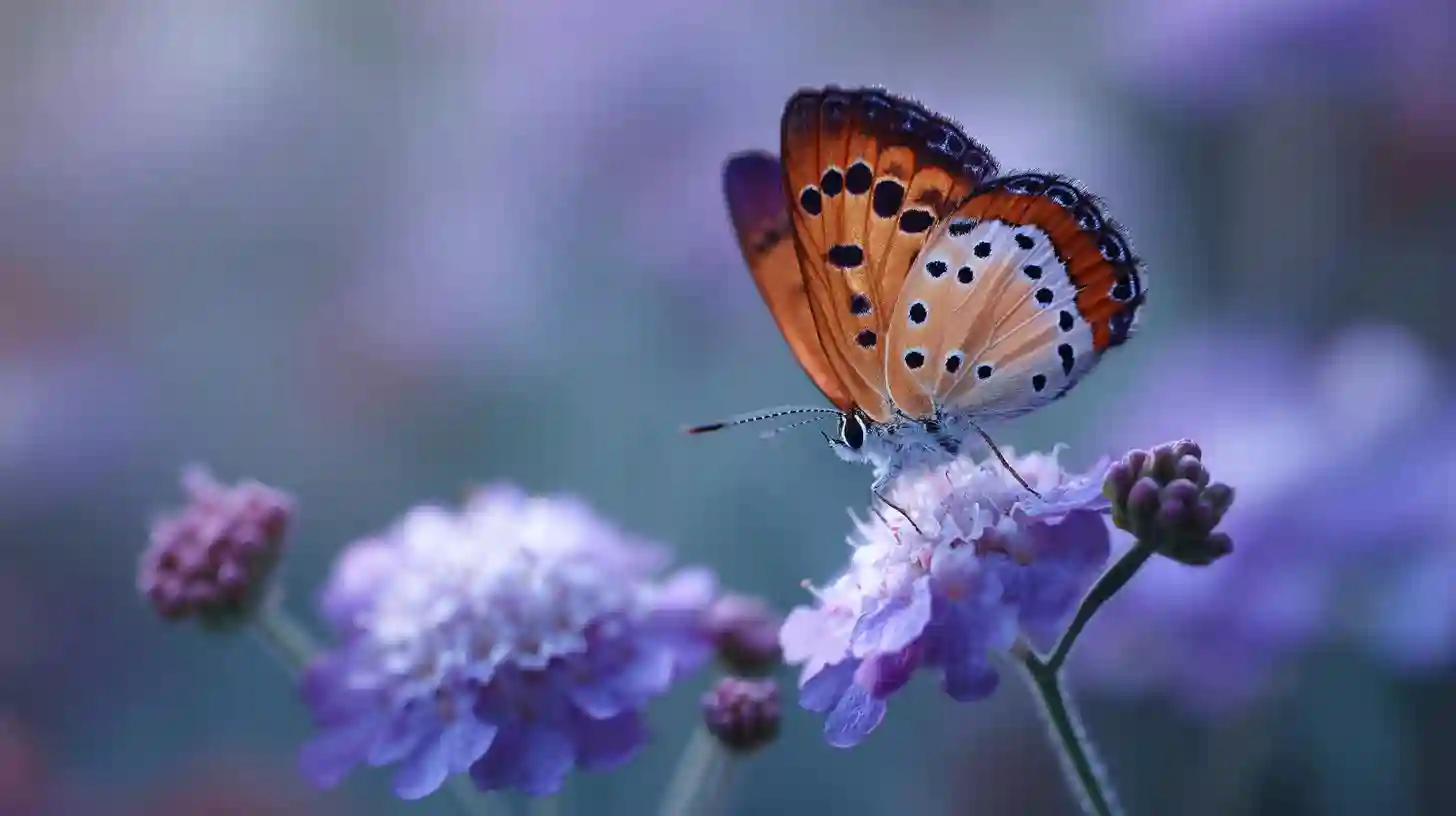
Butterflies play a crucial role in maintaining healthy ecosystems by facilitating pollination, which directly supports the production of fruits, seeds, and new plants. As they flutter from flower to flower, collecting nectar, they inadvertently transfer pollen from one bloom to another. This process helps many plant species reproduce and thrive. Without butterflies and other pollinators, these plants would struggle to propagate, leading to a decline in plant diversity.
Beyond their importance in plant reproduction, butterflies are also integral to biodiversity. They serve as a food source for various predators, including birds and small mammals, helping sustain the balance of different animal populations. In addition, butterflies themselves are an essential part of the food web, with some species feeding on certain plants while others rely on those same plants for pollination.
The presence of butterflies in an environment also signals the health of that ecosystem. Since butterflies are highly sensitive to changes in their surroundings, their population can reflect broader ecological shifts. A sudden decline in butterfly numbers often indicates problems such as habitat loss, pollution, or climate change, all of which have wider implications for biodiversity. Therefore, ensuring the protection and conservation of butterfly habitats not only supports these insects but also safeguards a vast array of other species dependent on the same environments.
As habitats continue to face pressures from human activity, the role of butterflies in maintaining pollination networks and promoting biodiversity becomes ever more important. Protecting these delicate creatures is not only essential for preserving the beauty and function of natural spaces but also for the stability of food systems and the resilience of ecosystems around the world.