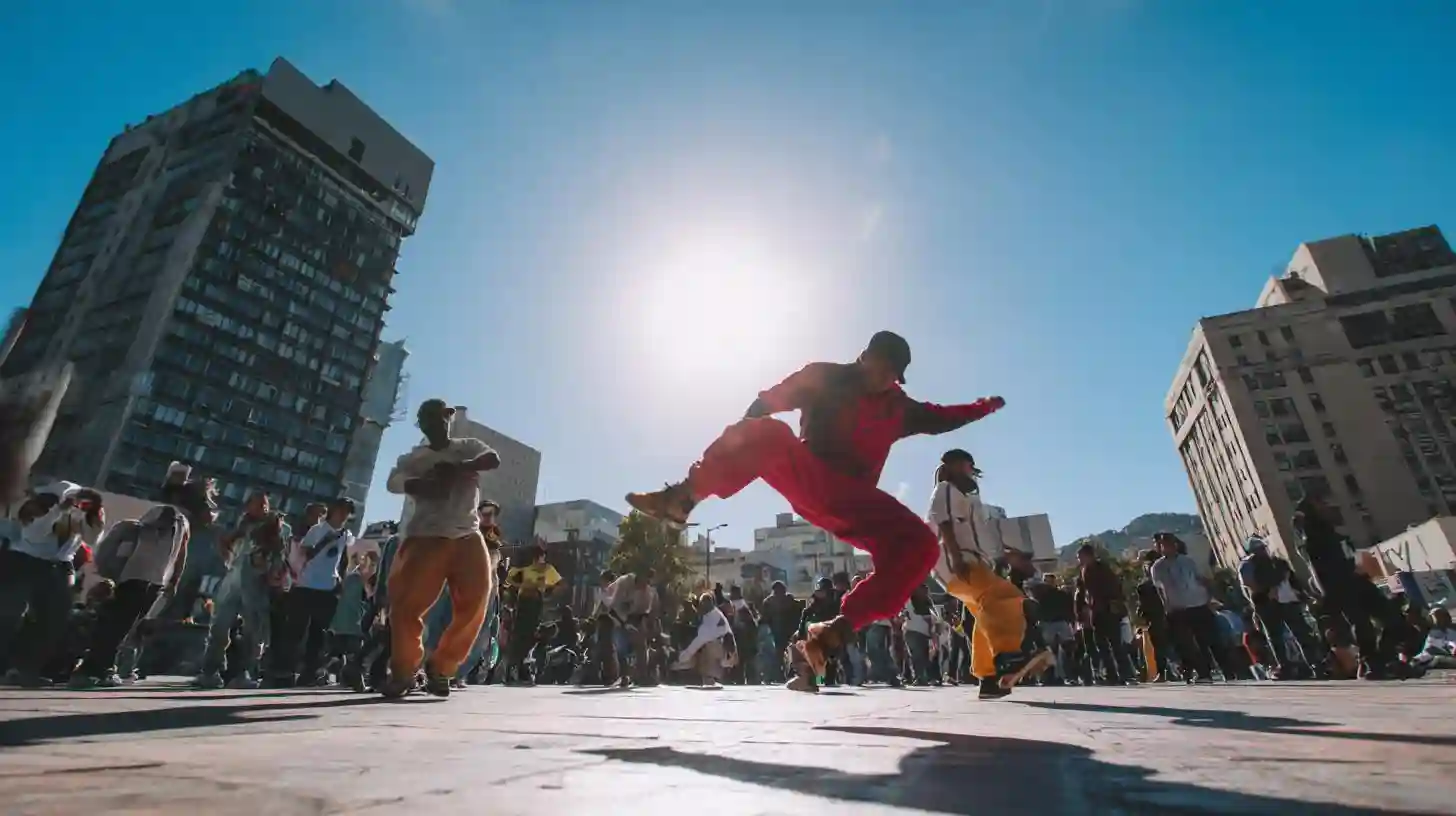
Street dance began as an underground cultural movement, primarily taking root in urban neighborhoods where youth sought to express themselves through movement. Its early days were shaped by the fusion of various dance styles that reflected the diverse backgrounds of the dancers. In the late twentieth century, hip-hop culture emerged as a significant force in the dance scene, influencing what would become known as breakdancing or b-boying. The energy and creativity of street dance were infectious, creating spaces for people to engage in impromptu battles, showcasing their skill and individuality. As this form of dance continued to develop, it drew inspiration from various sources, including funk, jazz, and Latin movements, which were seamlessly blended with the raw, spontaneous nature of the street.
As the years passed, the reach of street dance expanded far beyond its initial roots. With the advent of television and the increasing influence of media, street dance started appearing on a global stage. Television shows and music videos introduced it to mainstream audiences, exposing its dynamic style and intense physicality to a wider demographic. The incorporation of street dance into commercial music videos and performances led to its recognition as both an art form and a viable career path for dancers. With time, the art of street dance evolved to include a wide variety of styles, each with its own set of techniques and characteristics. From locking and popping to krumping and waacking, each style brought something unique to the global conversation.
The rise of international dance competitions further solidified street dance as a universal language of expression. Competitions such as Red Bull BC One and World of Dance brought together dancers from all over the world, making street dance a platform for cultural exchange. These events helped elevate the movement to an even higher level of recognition, allowing dancers to build careers and forge connections that transcended national borders. As street dance became an accepted part of the mainstream entertainment industry, it continued to evolve, blending traditional styles with new interpretations and merging with contemporary art forms. What began as a subculture rooted in rebellion and self-expression ultimately grew into a global phenomenon, influencing not only dance but music, fashion, and even social movements around the world.