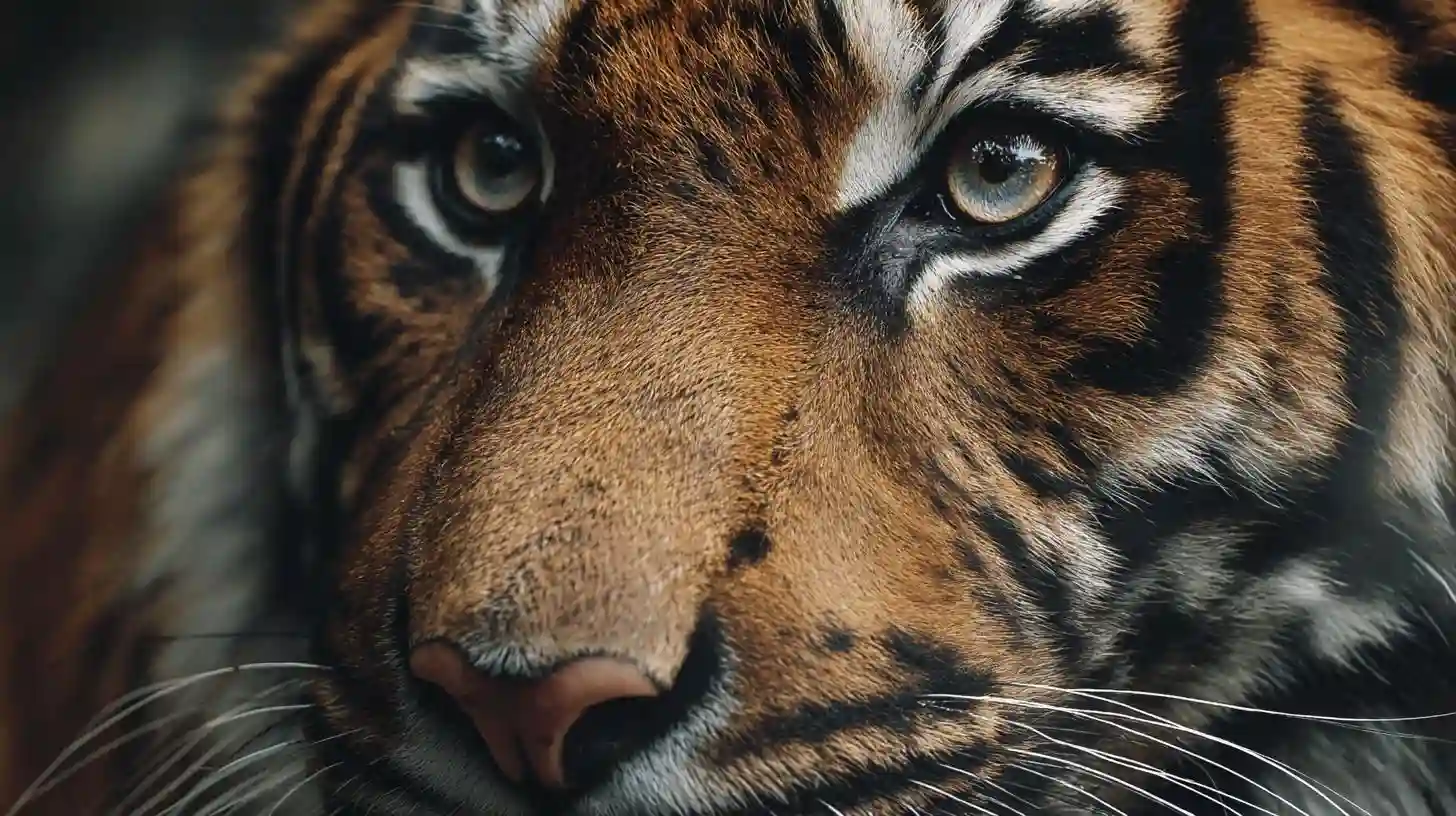
Media has always played a crucial role in shaping public perceptions and attitudes, and its influence on wildlife conservation, especially tiger preservation, is no different. Tigers, once widespread across Asia, now face the threat of extinction due to poaching, habitat loss, and human-wildlife conflict. Over the years, the media has significantly raised awareness about these issues, urging people to take action and support conservation initiatives. Documentaries, social media campaigns, and news reports have all been vital tools in educating the public about the challenges tigers face. High-profile media coverage has helped shine a spotlight on endangered tiger species, encouraging individuals, governments, and organizations to prioritize their protection. Iconic documentaries like those produced by National Geographic or the BBC have introduced global audiences to the life of tigers in the wild, often revealing heartbreaking scenes of poaching and habitat destruction. These images evoke emotional responses that spur people into action, whether through donations to conservation groups or advocacy for stronger protection laws. Social media has also become an essential platform for spreading information about tiger conservation efforts. Wildlife organizations now utilize platforms such as Instagram, Twitter, and Facebook to share compelling visuals and stories that resonate with younger audiences, fostering a sense of urgency and responsibility. Hashtags related to tiger preservation trends globally, creating online communities united by the cause. These movements not only educate but also empower individuals to take small actions in their daily lives, such as supporting eco-friendly brands or avoiding products made from tiger parts. Moreover, media campaigns help connect local efforts to global conservation movements. When media coverage highlights successful tiger preservation programs, it can inspire similar initiatives in other regions. Whether it is through raising funds for anti-poaching patrols or advocating for legal frameworks to protect tiger habitats, the media’s role in influencing tiger preservation is undeniable.