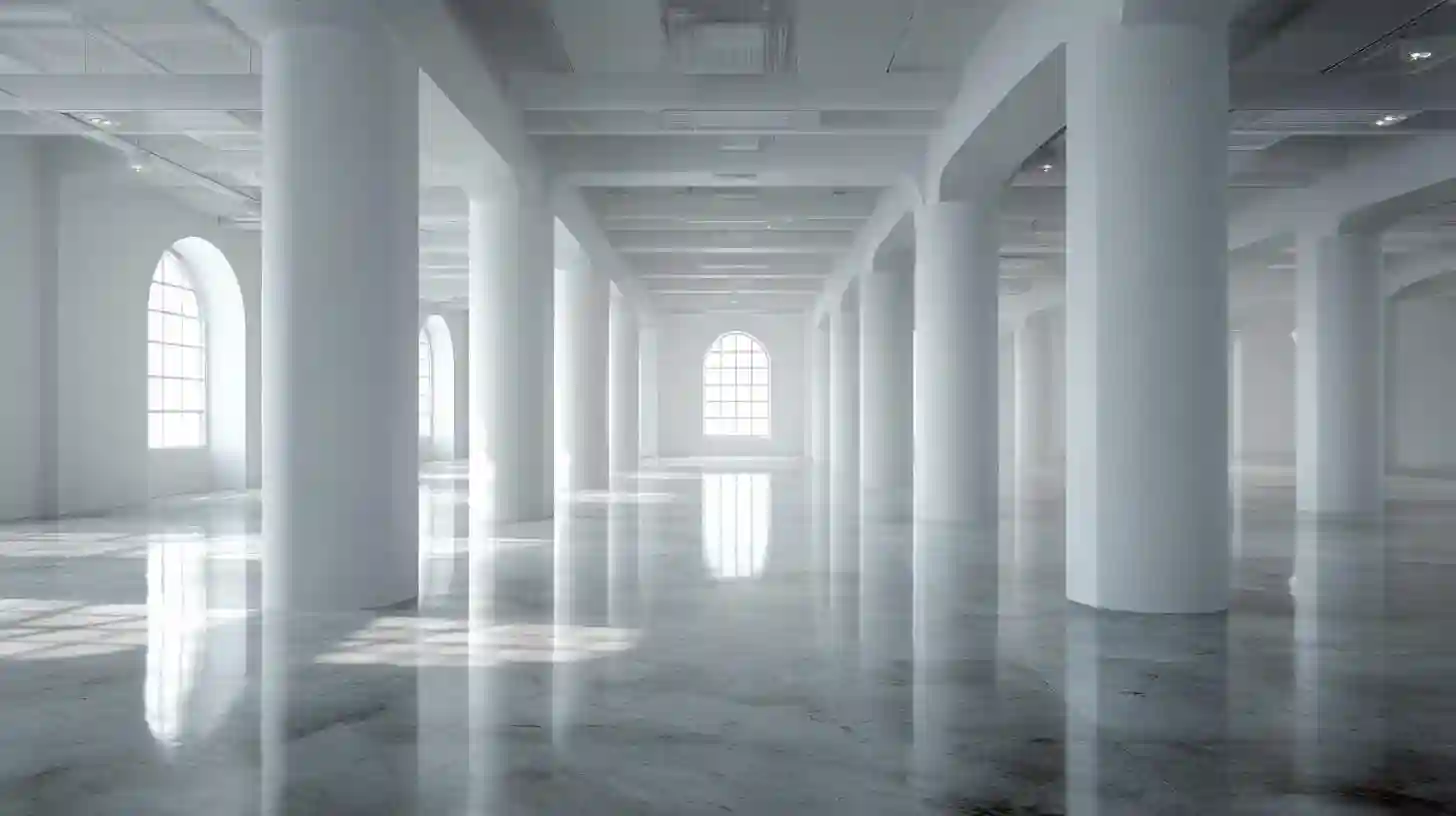
Minimalism, an art movement that emerged in the mid-20th century, has had a profound influence on contemporary architecture. Its emphasis on simplicity, clean lines, and the removal of unnecessary elements has found a significant place in the design of modern spaces. The shift towards minimalism in architectural spaces mirrors a broader cultural desire to reduce complexity and focus on essential forms, creating environments that feel open, serene, and uncluttered. By stripping away ornamentation and emphasizing functionality, minimalist architecture encourages a new way of interacting with space, one that fosters clarity and calm.
In contemporary architecture, minimalism manifests in open floor plans, neutral color palettes, and the use of materials such as glass, steel, and concrete, which highlight the purity of form. The concept of "less is more" guides the design, where each element serves a purpose, and excess is eliminated. This approach not only enhances the aesthetic appeal but also allows natural light to flood interior spaces, further emphasizing the connection between the interior and the surrounding environment. The use of large windows and open sightlines creates a seamless transition between indoor and outdoor areas, inviting nature into the home and blurring the lines between the two.
The minimalist approach to architecture also promotes a sense of tranquility and mindfulness. By reducing visual clutter, these spaces encourage a focus on the present moment and a deeper connection with one's surroundings. This is particularly evident in urban settings where minimalist designs offer a respite from the noise and chaos of city life. The simplicity of a minimalist space can have a profound impact on its inhabitants, offering them a sanctuary where they can escape the distractions of the outside world and reconnect with themselves.
Furthermore, minimalism in architecture challenges traditional ideas about functionality and beauty. It suggests that the two are not mutually exclusive but can coexist harmoniously when design is thoughtful and intentional. By embracing emptiness and negative space, minimalist architecture celebrates the importance of space itself, turning it into a living, breathing element of the design. This approach has influenced a range of contemporary structures, from private homes to public buildings, encouraging architects to rethink how spaces are created and experienced.