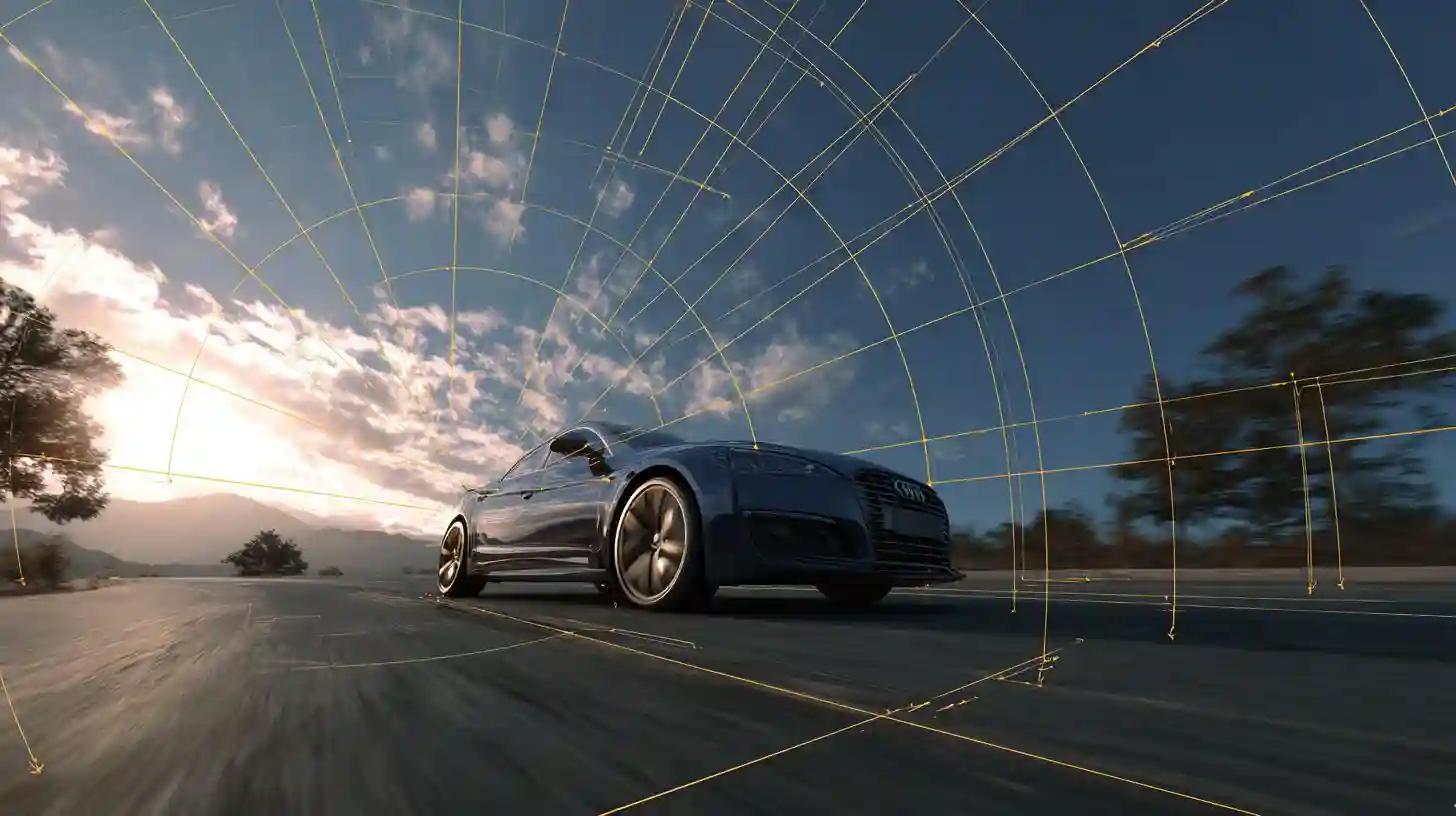
Vehicle-to-vehicle communication (V2V) has emerged as a crucial technology in enhancing road safety. It allows vehicles to exchange information with each other, helping drivers make better decisions on the road. This exchange of data includes vital information about speed, direction, location, and road conditions. When implemented effectively, V2V communication can significantly reduce the risk of accidents caused by human error, one of the leading causes of road fatalities.
The primary advantage of V2V communication is the ability to warn drivers about potential dangers before they become visible or noticeable. For example, if a car ahead suddenly brakes or swerves due to an obstacle, the vehicles behind can immediately receive alerts and adjust their speed or position to avoid a collision. This real-time sharing of information creates a layer of awareness that would not be possible with traditional sensors and driver vigilance alone.
V2V systems also contribute to smoother traffic flow, reducing congestion and the likelihood of accidents caused by sudden stops or bottlenecks. By coordinating with nearby vehicles, V2V can optimize travel routes and timing, improving overall traffic management. In addition to enhancing safety, this type of communication plays a role in reducing fuel consumption and lowering emissions by minimizing the frequency of abrupt stops and starts.
The safety benefits extend to scenarios where visibility is compromised, such as fog, heavy rain, or nighttime driving. Through continuous data exchange, vehicles can "see" beyond their immediate surroundings and react to potential threats in real-time. This technology can complement advanced driver-assistance systems, such as automatic braking or lane-keeping, making vehicles even more capable of preventing accidents.
Although V2V technology is still in the early stages of adoption, it is clear that it has the potential to revolutionize road safety. As more vehicles become equipped with V2V systems, the road network will transform into a more connected, responsive environment. This shift will not only improve safety but will also contribute to the development of fully autonomous vehicles, further reducing the risk of human error and increasing overall driving efficiency.