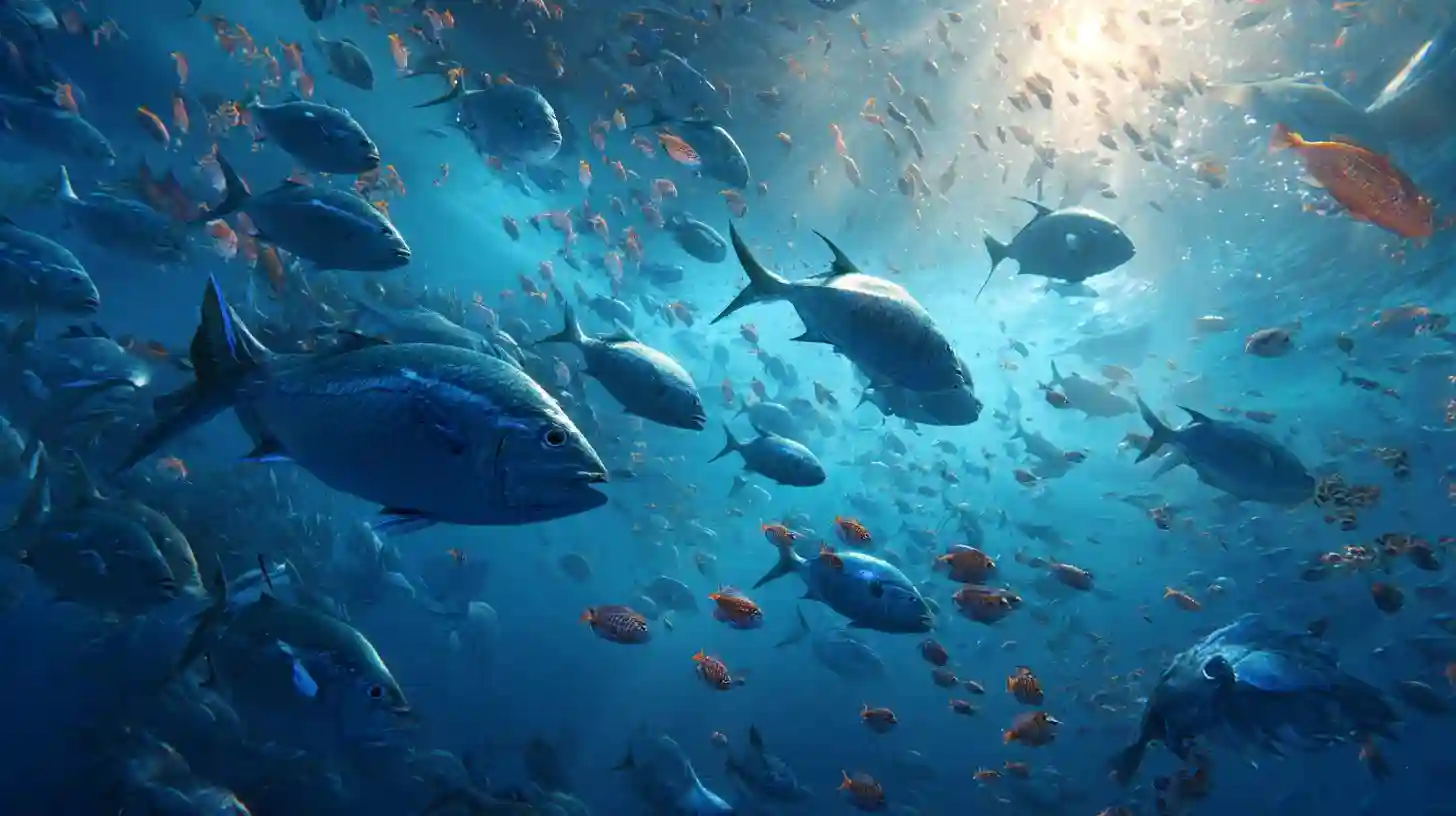
Overfishing has a profound impact on marine biodiversity, disrupting delicate ecosystems and altering the balance of ocean life. When too many fish are removed from the sea, populations of targeted species decline dramatically, reducing their ability to reproduce and sustain healthy numbers. Predatory species, which rely on smaller fish for food, may face shortages, while prey species can sometimes proliferate unchecked, creating an imbalance that affects the entire food web. The removal of key species can trigger a cascade effect, where changes in one population influence many others, resulting in diminished diversity and altered habitat structures. Coral reefs, which provide shelter and breeding grounds for countless marine creatures, are particularly vulnerable to overfishing. The depletion of herbivorous fish, for example, can lead to algae overgrowth that suffocates corals, reducing habitat complexity and the number of species that can thrive in these areas. In addition, overfishing can indirectly impact species not directly targeted by fishing activities. Bycatch, the accidental capture of non-target species, often leads to the decline of turtles, sharks, and seabirds, further eroding biodiversity. Changes in fish populations also affect nutrient cycles within marine environments, as the movement and feeding habits of fish play critical roles in redistributing nutrients across ecosystems. Coastal communities and economies that rely on healthy fisheries face long-term consequences as species decline, leading to decreased resilience in marine ecosystems and reduced food security. Efforts to regulate fishing practices, establish marine protected areas, and implement sustainable harvesting strategies are essential to prevent further loss of marine biodiversity. Without careful management, overfishing continues to threaten the stability of oceanic life, reducing species richness and weakening the intricate interactions that sustain diverse marine communities.