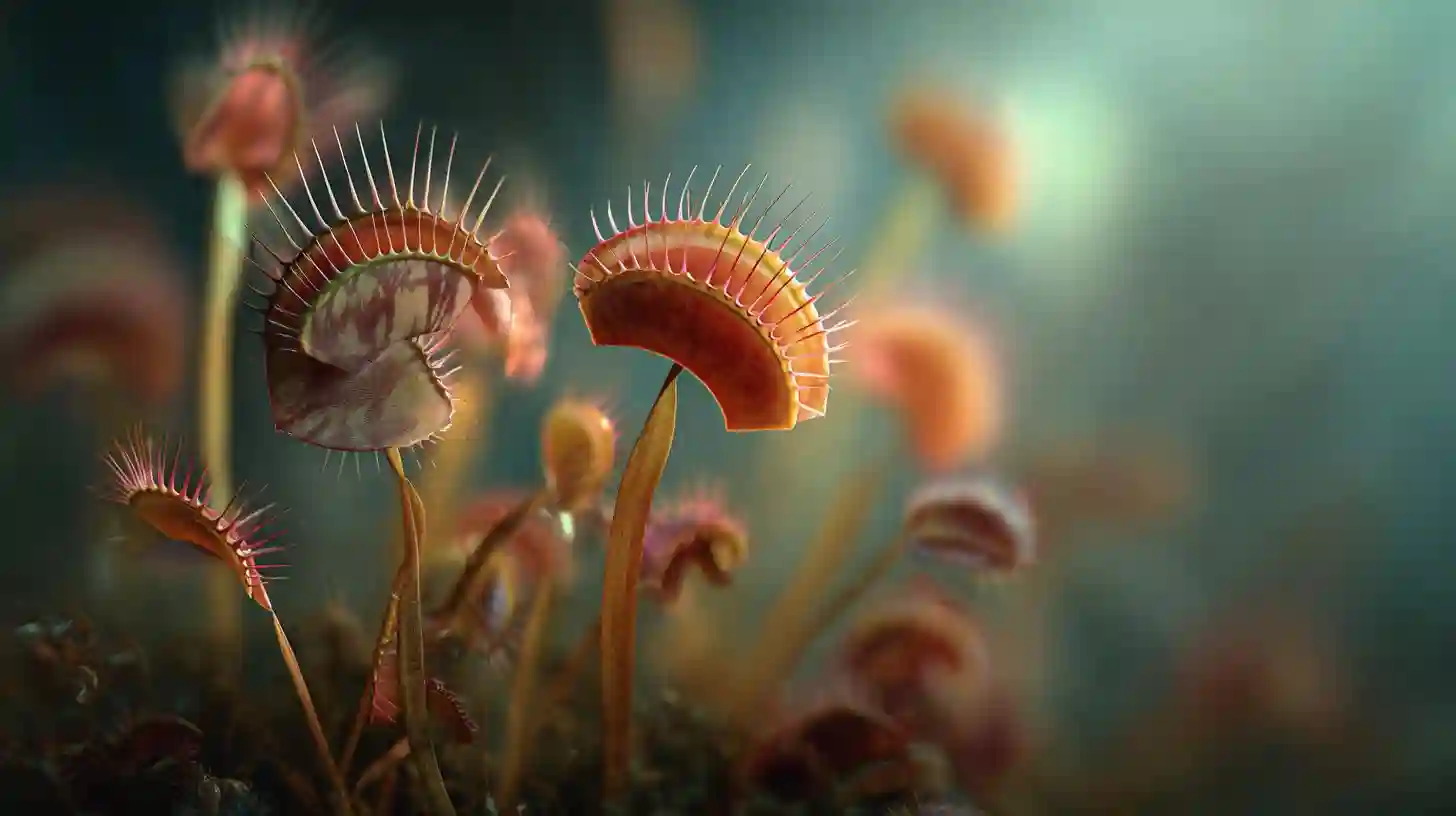
Carnivorous plants have evolved fascinating strategies to capture and digest insects, forming a unique relationship with these creatures. These plants typically grow in environments where the soil lacks sufficient nutrients, especially nitrogen, which is vital for their growth. To compensate for this deficiency, they turn to insects as a supplementary source of nourishment. The relationship is complex, as the plants attract, capture, and digest insects through specialized mechanisms, often involving traps that lure their prey with enticing scents, colors, or nectar. Once an insect comes into contact with these traps, the plant’s mechanism is triggered, and the insect is ensnared.
For instance, the Venus flytrap uses modified leaves that snap shut when tiny hairs on the surface are touched. Other carnivorous plants, such as pitcher plants, rely on their slippery, funnel-shaped leaves filled with digestive fluids to trap insects that fall into them. These plants may secrete nectar around the rim of the trap, encouraging insects to venture closer. Some species of sundews have sticky, glandular hairs on their leaves, which secrete a glue-like substance that entangles the insect, allowing the plant to digest it slowly.
The insects, in turn, play a crucial role in the pollination of many of these carnivorous plants. While the plants are trapping and consuming insects for nourishment, they also rely on certain insects for reproductive purposes. Pollinators such as bees and flies are attracted to the flowers of carnivorous plants, helping to fertilize them and ensure the survival of the species. In some cases, the insects caught in the traps may provide a secondary benefit by serving as pollinators, though this is more incidental than a direct interaction.
This intricate balance between predator and prey highlights the adaptability of carnivorous plants and their dependency on insects for survival. The relationship between carnivorous plants and insects is a fascinating example of nature’s ability to find innovative solutions to environmental challenges. Through this dynamic interaction, both the plants and insects are able to thrive in otherwise harsh and nutrient-poor environments.