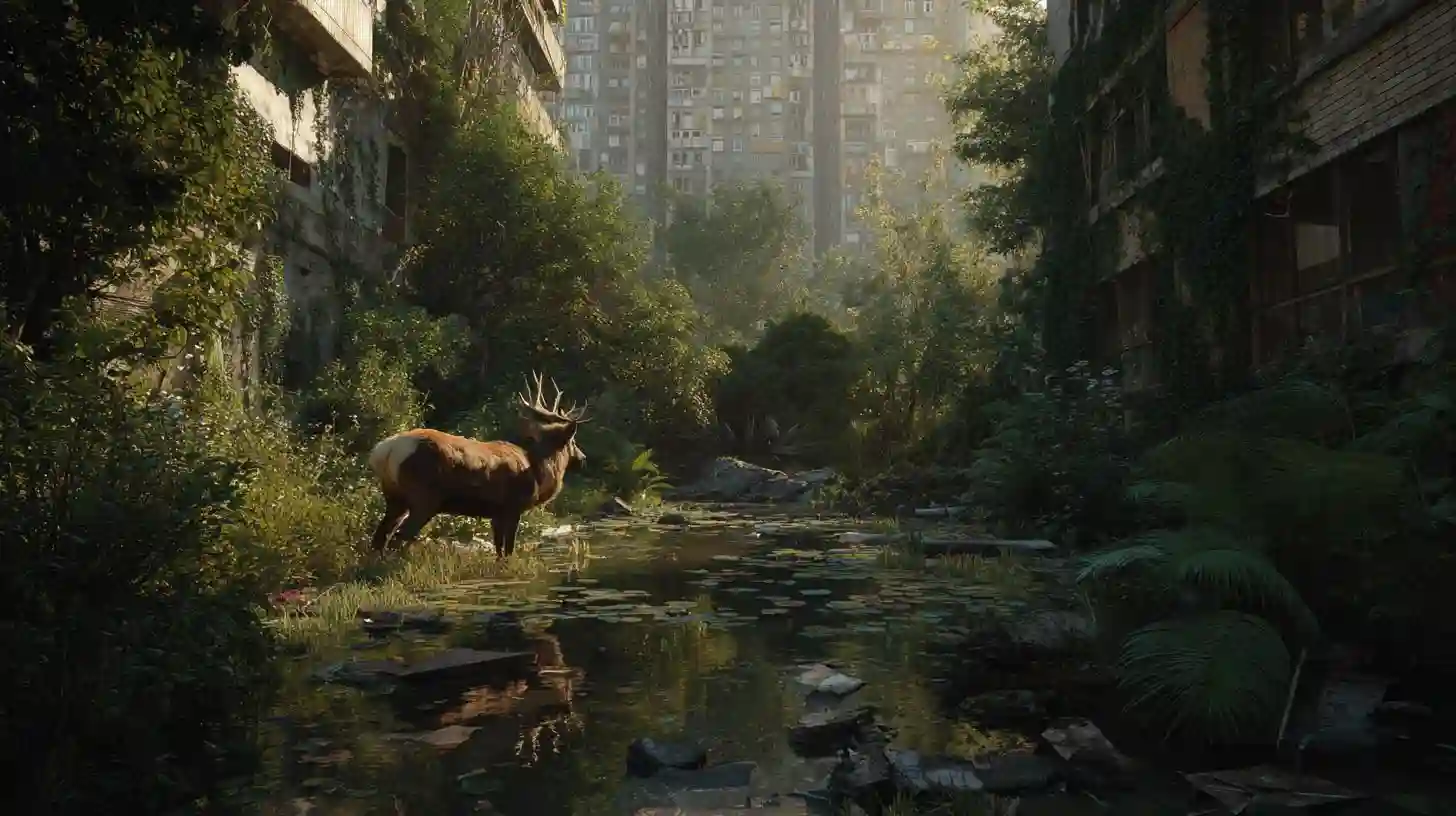
Urban settings, often viewed as environments dominated by human activity, present unique challenges and opportunities for wildlife conservation. As cities expand, natural habitats are replaced by concrete structures, creating a fragmented landscape where species struggle to survive. However, these urban areas can also be transformed into havens for local wildlife through thoughtful conservation efforts. One of the key methods is the creation of green spaces such as parks, gardens, and green roofs, which offer vital habitats for various species. These spaces serve as refuges for birds, insects, and small mammals, providing them with shelter, food, and the chance to breed. Green corridors that connect different green spaces are particularly important in enabling wildlife to move between habitats safely and maintain genetic diversity. Another approach is the integration of wildlife-friendly practices in urban planning. This can involve designing buildings and infrastructure that minimize harm to local wildlife, such as bird-safe glass to prevent collisions or the inclusion of wildlife passages under roads to reduce vehicle-related mortality. Efforts also focus on restoring ecosystems within urban environments, such as reintroducing native plants to replace invasive species, which can help bring balance back to local ecosystems. Additionally, communities play a vital role in wildlife conservation within cities. Educational programs that encourage residents to plant native species, install birdhouses, or reduce pesticide use can have a significant impact on supporting local wildlife populations. Cities are increasingly recognizing the importance of biodiversity in maintaining environmental health and quality of life for residents. By promoting green spaces, eco-friendly infrastructure, and community engagement, cities can foster environments where both people and wildlife thrive together. These initiatives not only enhance the urban landscape but also contribute to a more sustainable future, ensuring that wildlife has a place in our ever-changing cities.