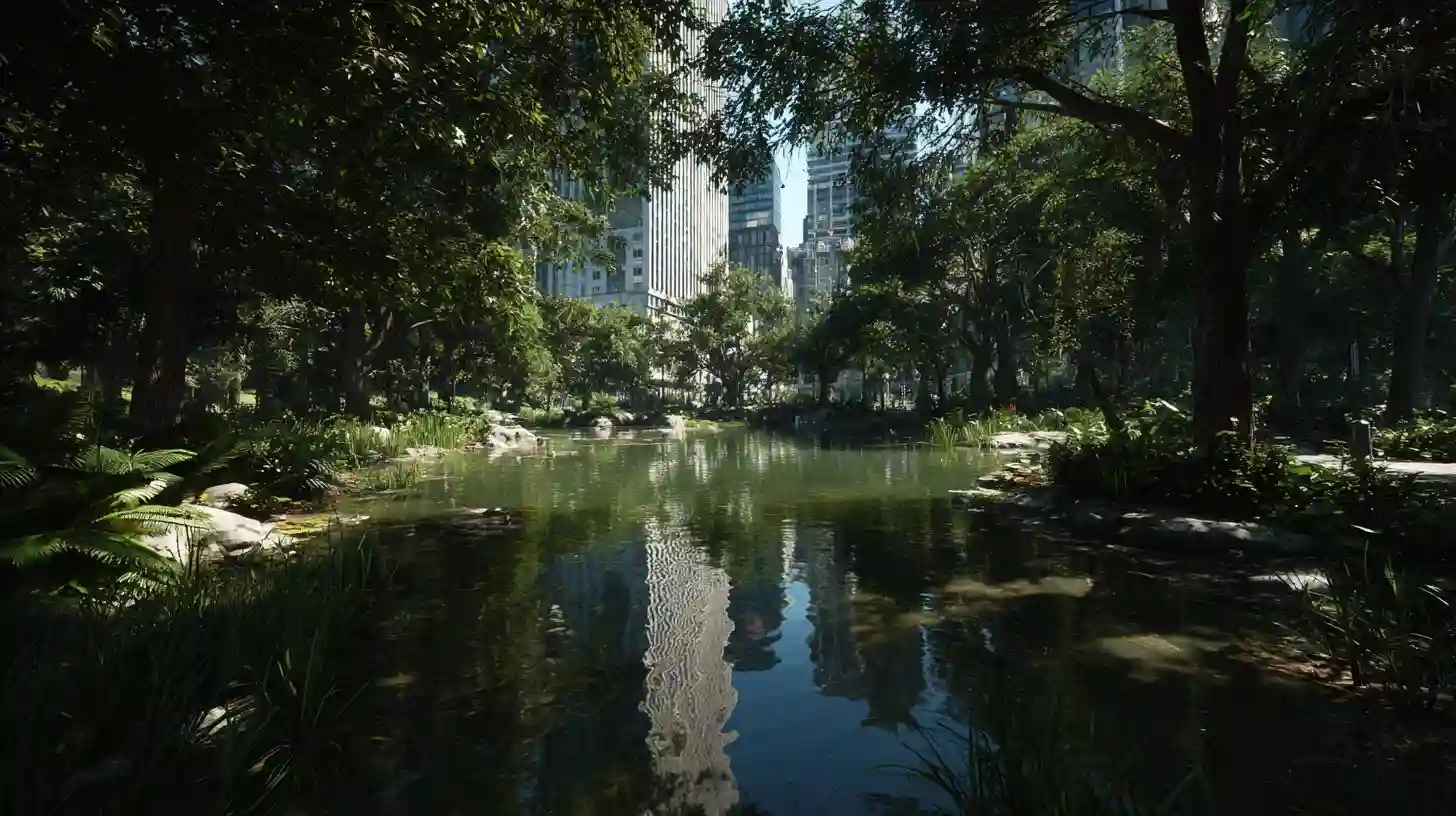
Urban areas, often seen as environments dominated by concrete and steel, have increasingly become vital refuges for birds. The transformation of cities over the years has led to the development of green spaces, parks, and rooftops, which offer birds essential habitats. These areas not only provide food and water but also serve as safe havens, especially in urban landscapes where natural environments are rapidly dwindling. Birds in cities find shelter in trees and bushes planted along streets, in community gardens, and within public parks. These green spaces allow birds to nest, forage, and migrate, vital activities that are often harder to perform in heavily industrialized or rural areas. The architecture of urban landscapes, too, has evolved to incorporate bird-friendly designs. Rooftop gardens and green walls are gaining popularity, adding more places where birds can rest or build nests. The presence of flowering plants, shrubs, and trees further enhances the chances of birds finding food sources, such as insects and seeds, within city limits. Cities also play a role in maintaining biodiversity by supporting bird populations that might otherwise struggle in more pristine but fragmented ecosystems. Urban areas are crucial for migratory birds, offering stopover sites where they can rest and recover during their long journeys. Such areas might include ponds, lakes, or wetlands found in and around cities, which help replenish the energy reserves of tired travelers. As urbanization continues, the challenge will be to ensure that cities remain inclusive for wildlife, with urban planning emphasizing the importance of preserving and creating safe spaces for birds. These areas contribute to a balanced ecosystem, where both humans and wildlife can thrive side by side.