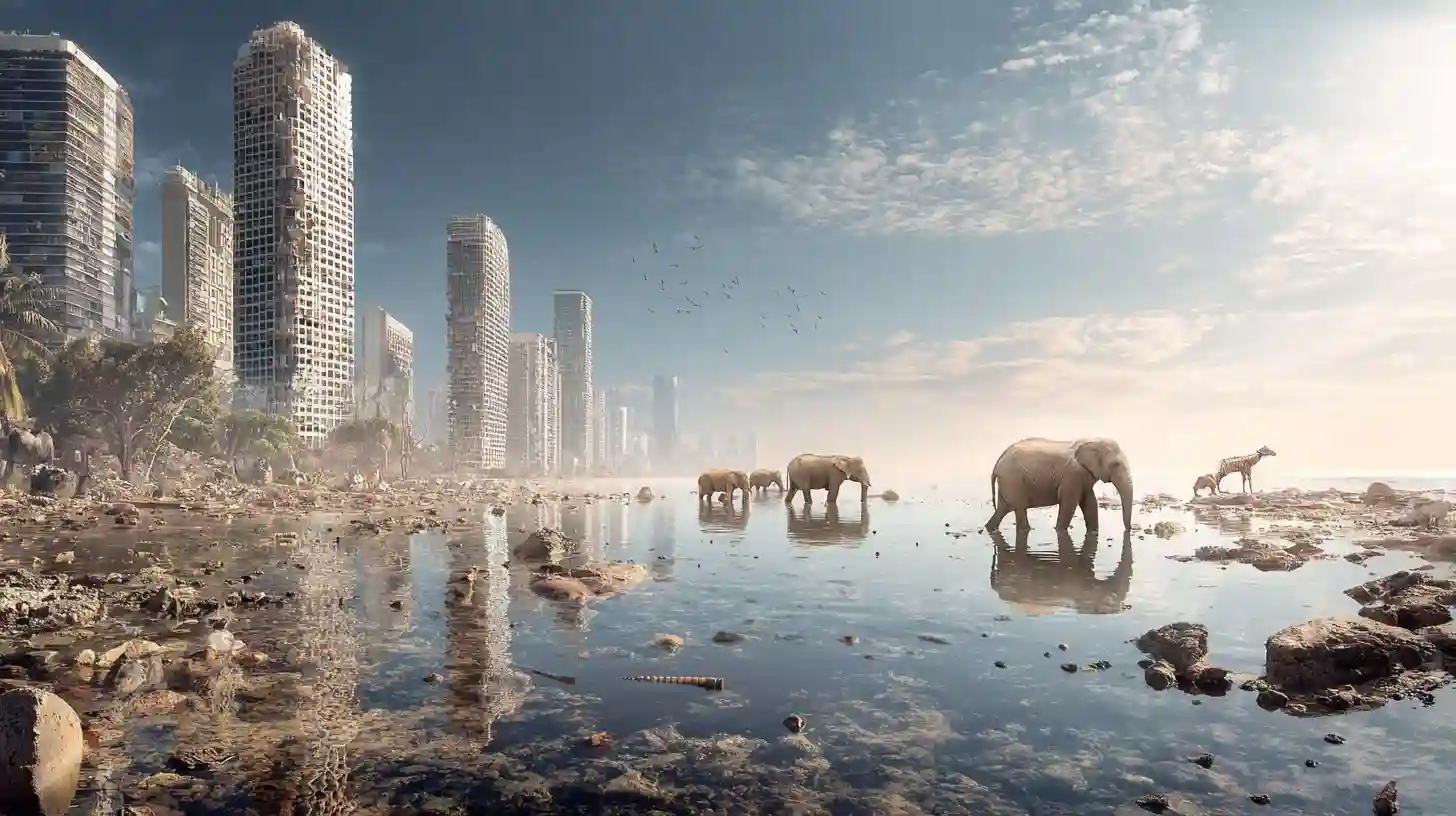
Urbanization has been one of the most significant drivers of environmental change, influencing the behavior of wildlife in profound ways. As human populations grow and cities expand, natural habitats are increasingly being replaced with buildings, roads, and infrastructure. This transformation often forces animals to adapt to new surroundings, often at the cost of their traditional behaviors and routines. One major consequence of urbanization is the disruption of migration patterns. Many species, especially birds and mammals, rely on vast, undisturbed landscapes for seasonal movements. When these landscapes are broken up by urban development, animals may struggle to find suitable routes or encounter obstacles such as traffic, pollution, and fragmented habitats that make migration more challenging. Another behavioral change is the alteration of feeding habits. Animals that once depended on wild food sources must now adapt to human-dominated environments. Urban wildlife, including raccoons, foxes, and squirrels, often scavenge for food in garbage bins or rely on human-provided food sources, such as pet food or leftovers. This shift in diet can lead to changes in reproductive success, as the nutritional value of scavenged food may not always meet the animals’ needs. Additionally, the noise and light pollution common in urban areas can have significant effects on animal behavior. Many species rely on cues such as daylight and nighttime sounds for activities like foraging, mating, and communication. In cities, these cues are distorted, potentially leading to disorientation, altered mating rituals, and increased stress levels in animals. The presence of humans also affects wildlife's fear and tolerance. Some species may become more habituated to human presence, leading to less cautious behavior. However, other species may become more evasive, leading to shifts in their daily activities and habitat choices. Urbanization may also encourage the spread of diseases. With animals from different areas coming into contact more frequently in urban settings, the risk of disease transmission increases. Consequently, the behavior of wildlife is increasingly shaped by the pressures of living in environments heavily influenced by human activity.