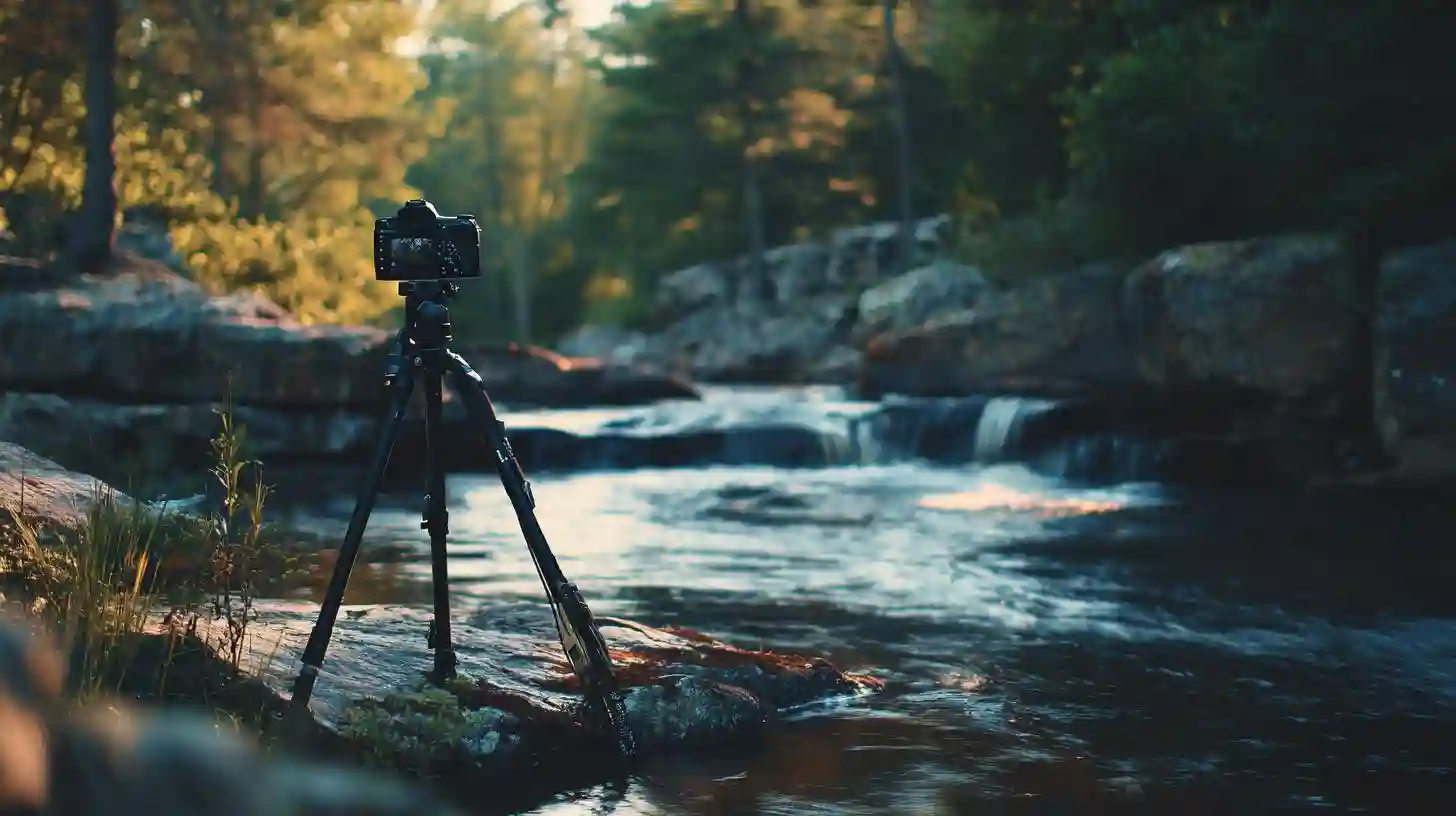
When capturing long exposure motion shots, the stability of the tripod plays a critical role in ensuring that the final image remains sharp and free from unwanted blurring or camera shake. A tripod’s primary purpose is to keep the camera steady during exposure, especially when using slow shutter speeds to capture movement. Without a stable platform, even the slightest movement can ruin the shot, causing blur or distortion in areas of the image that are supposed to remain crisp. This is particularly important in low light conditions, where longer exposures are often required to allow sufficient light into the camera.
Tripod stability is essential not only for preventing camera shake but also for maintaining the integrity of the composition. Any slight adjustment or shift in the tripod position during the exposure can alter the framing or cause inconsistencies in the photograph. This is especially relevant in scenes where stationary elements like buildings, landscapes, or architectural features need to remain static while the movement of other objects, such as water or traffic, is captured with a sense of motion.
Another important factor is the quality and construction of the tripod itself. A well-built tripod made from materials such as carbon fiber or sturdy metal can provide superior stability, especially when facing elements like wind or uneven terrain. Cheap or flimsy tripods often struggle to support the camera steadily, leading to vibrations that might not be immediately noticeable but can negatively affect the image quality. A heavier tripod typically reduces the risk of unwanted movements during longer exposures, making it a valuable investment for photographers who specialize in long exposure motion photography.
In addition to the tripod itself, the placement of the tripod is crucial. Ensuring that the legs are fully extended and that the surface is level will further enhance the stability and prevent any tilting or wobbling. Even on seemingly solid ground, small shifts in the position can disrupt the shot. To further reduce the risk of camera shake, some photographers add weight to the center column or use remote shutter releases to avoid touching the camera during the exposure.
Ultimately, the stability of the tripod is a key factor in achieving sharp, high-quality long exposure motion shots. Whether it's capturing the smooth blur of traffic lights at night or the silky movement of water in a waterfall, a stable tripod ensures that the photographer can control the motion in the scene without sacrificing image clarity.