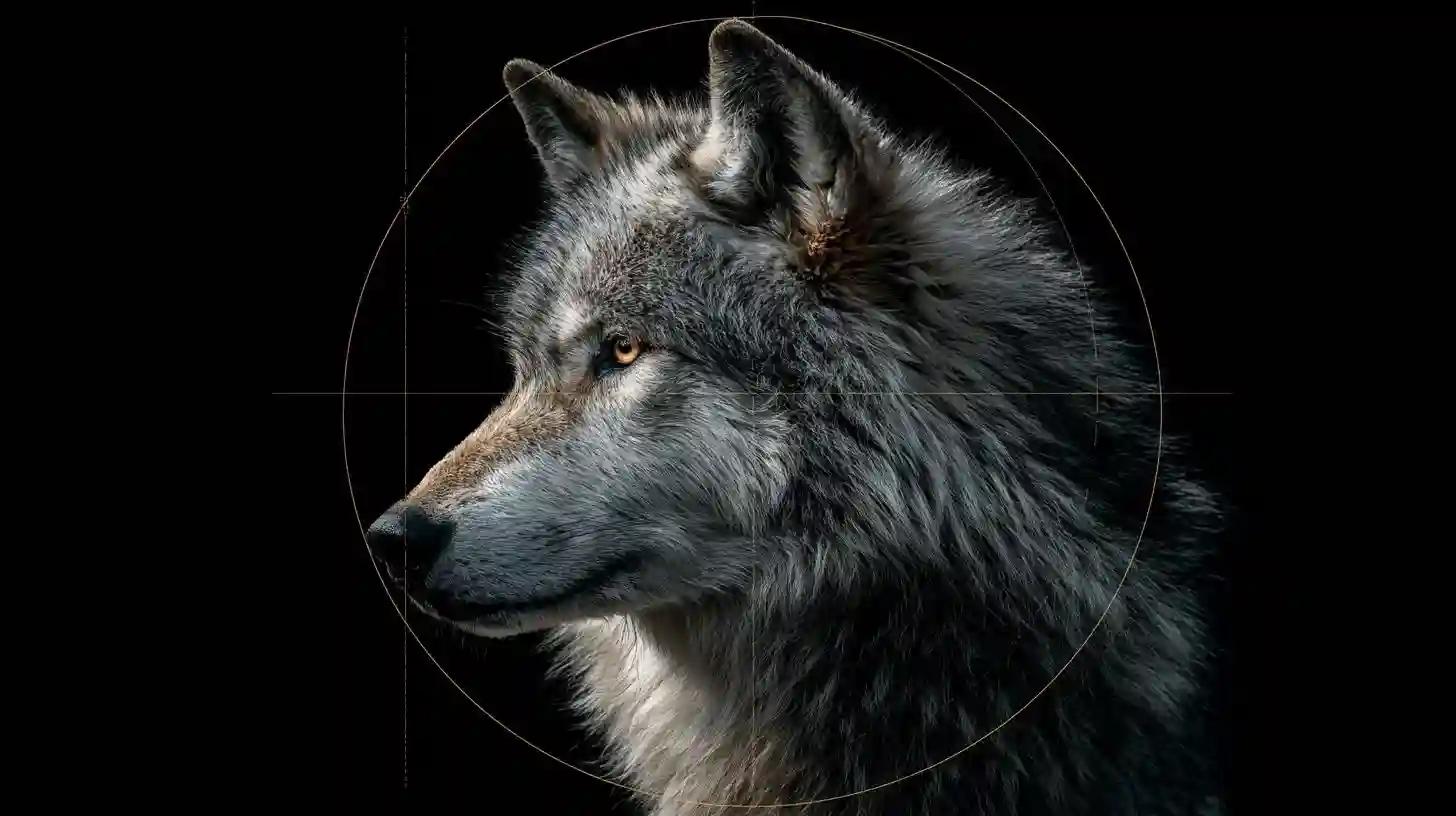
The preservation of endangered species has become one of the most pressing environmental issues in recent years. Many species around the world are on the brink of extinction due to various human activities, including deforestation, poaching, and habitat destruction. These activities have disrupted natural ecosystems, leading to a rapid decline in biodiversity. As the global population continues to grow, the pressure on wildlife habitats increases, making it even more critical to protect the species that are already struggling for survival.
One of the primary threats to endangered species is the loss of their natural habitats. As forests are cleared for agriculture and urban development, countless animals lose their homes and sources of food. In many cases, this leads to fragmentation of their habitats, making it harder for species to find mates and reproduce. Habitat loss is not only limited to land-based environments but also extends to aquatic ecosystems. Coral reefs, for example, are being destroyed by ocean pollution and climate change, putting marine life at risk.
Poaching and illegal wildlife trade are other major factors contributing to the endangerment of species. Many animals are hunted for their valuable body parts, such as tusks, fur, or bones, which are sold on the black market. This illegal activity has driven species like elephants and rhinos to the edge of extinction. Strict anti-poaching laws and increased enforcement are essential in combating this issue and protecting vulnerable species.
Climate change also plays a significant role in the survival of endangered species. Rising temperatures and shifting weather patterns disrupt the habitats and migration patterns of many animals. Species that are already at risk struggle to adapt to these changes, further exacerbating their decline. Addressing climate change on a global scale is therefore crucial in the fight to protect endangered species.
Conservation efforts, such as establishing protected areas and wildlife reserves, are vital for the survival of endangered species. These areas provide a safe haven for animals to thrive without the threat of human interference. Additionally, wildlife conservation programs focused on breeding and reintroducing endangered species into their natural habitats have shown promising results in certain regions.
The protection of endangered species is not only important for maintaining biodiversity but also for the health of ecosystems that humans depend on. Many species play crucial roles in pollination, seed dispersal, and maintaining the balance of their environments. The loss of these species can have ripple effects on entire ecosystems, potentially impacting food security, water quality, and climate regulation. Therefore, protecting endangered species is an essential part of ensuring a sustainable future for both wildlife and humans alike.