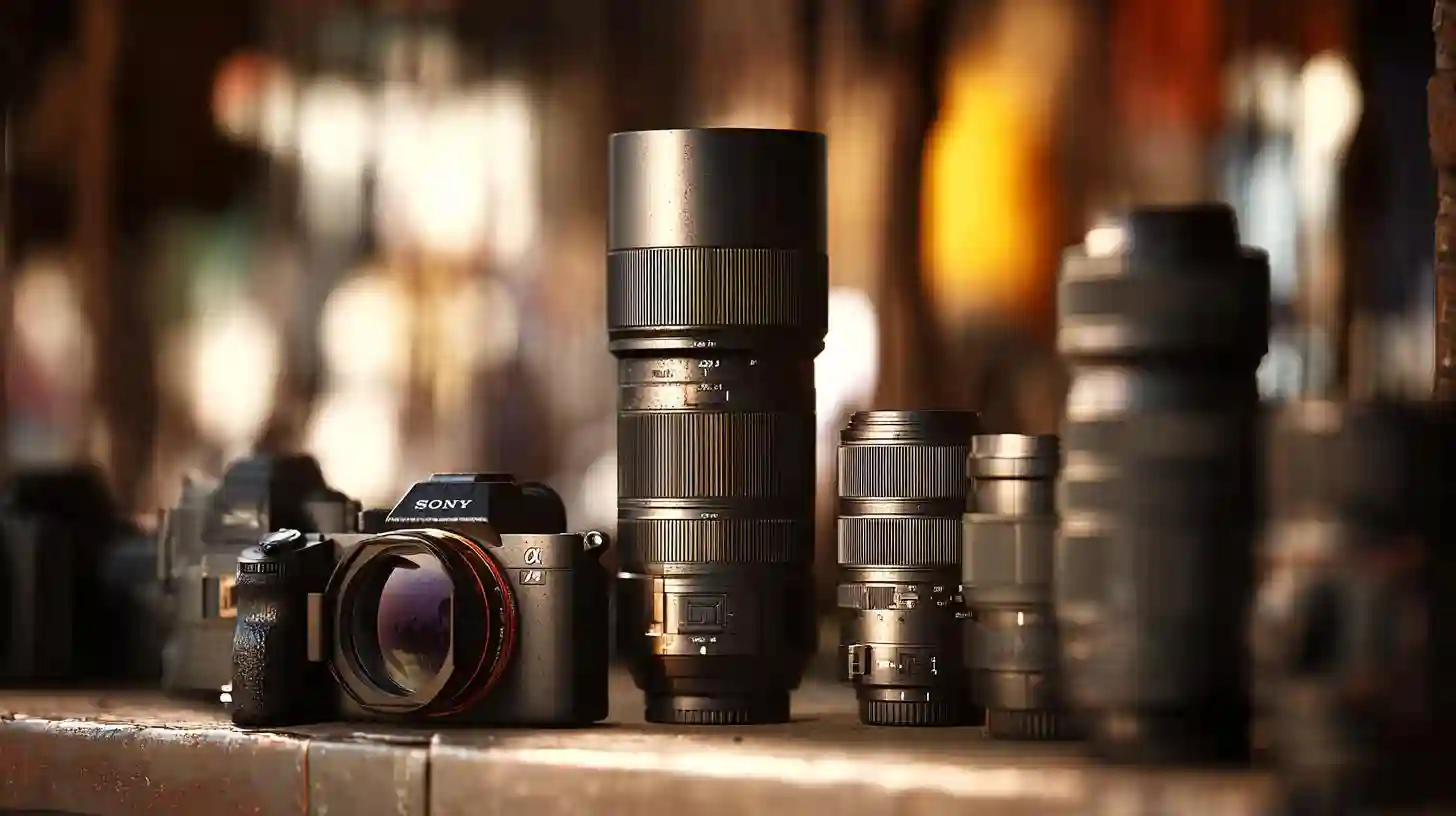
The rise of digital photography has dramatically reshaped the landscape of the photography industry, creating new opportunities while simultaneously presenting significant challenges for film camera manufacturers. As digital technology evolved, it offered a more efficient, cost-effective, and versatile alternative to traditional film-based photography. Digital cameras provided instant feedback, enabling photographers to see the results of their shots immediately and make adjustments in real-time, a feature that film cameras could not match. This convenience and immediacy made digital photography particularly attractive to both amateur and professional photographers alike, leading to a massive shift in consumer preference towards digital cameras.
Film camera manufacturers, once the dominant players in the market, struggled to adapt to this rapidly changing environment. The technological advantages of digital cameras, such as the ability to store thousands of images on a single memory card and the elimination of the need for film development, made traditional film cameras less appealing. As a result, many of the major film camera manufacturers saw a significant decline in sales. Companies that had previously thrived by producing high-quality film cameras found themselves facing the difficult task of reinventing their business models in order to remain competitive.
In response to the rise of digital photography, some film camera manufacturers attempted to incorporate digital elements into their products. Some companies released hybrid cameras that allowed users to shoot both film and digital images, while others focused on catering to niche markets that still appreciated the unique qualities of film. However, these efforts were often insufficient to combat the overwhelming dominance of digital technology. Film-based photography continued to be relegated to a smaller, more specialized market, with many manufacturers shifting their focus entirely to digital cameras.
While the impact of digital photography has been undeniably negative for traditional film camera manufacturers in terms of mass-market appeal, it has also opened up new avenues for niche markets. Enthusiasts and artists who value the aesthetic qualities of film, such as grain structure, color rendition, and the tactile nature of shooting, continue to keep the film industry alive, albeit on a much smaller scale. These photographers often prefer the slower, more deliberate process that film photography offers, viewing it as an art form that digital technology cannot replicate. Therefore, while the mainstream market for film cameras may have diminished significantly, there remains a dedicated and passionate group of users who keep the tradition alive, ensuring that film cameras still hold a place in the photography world.