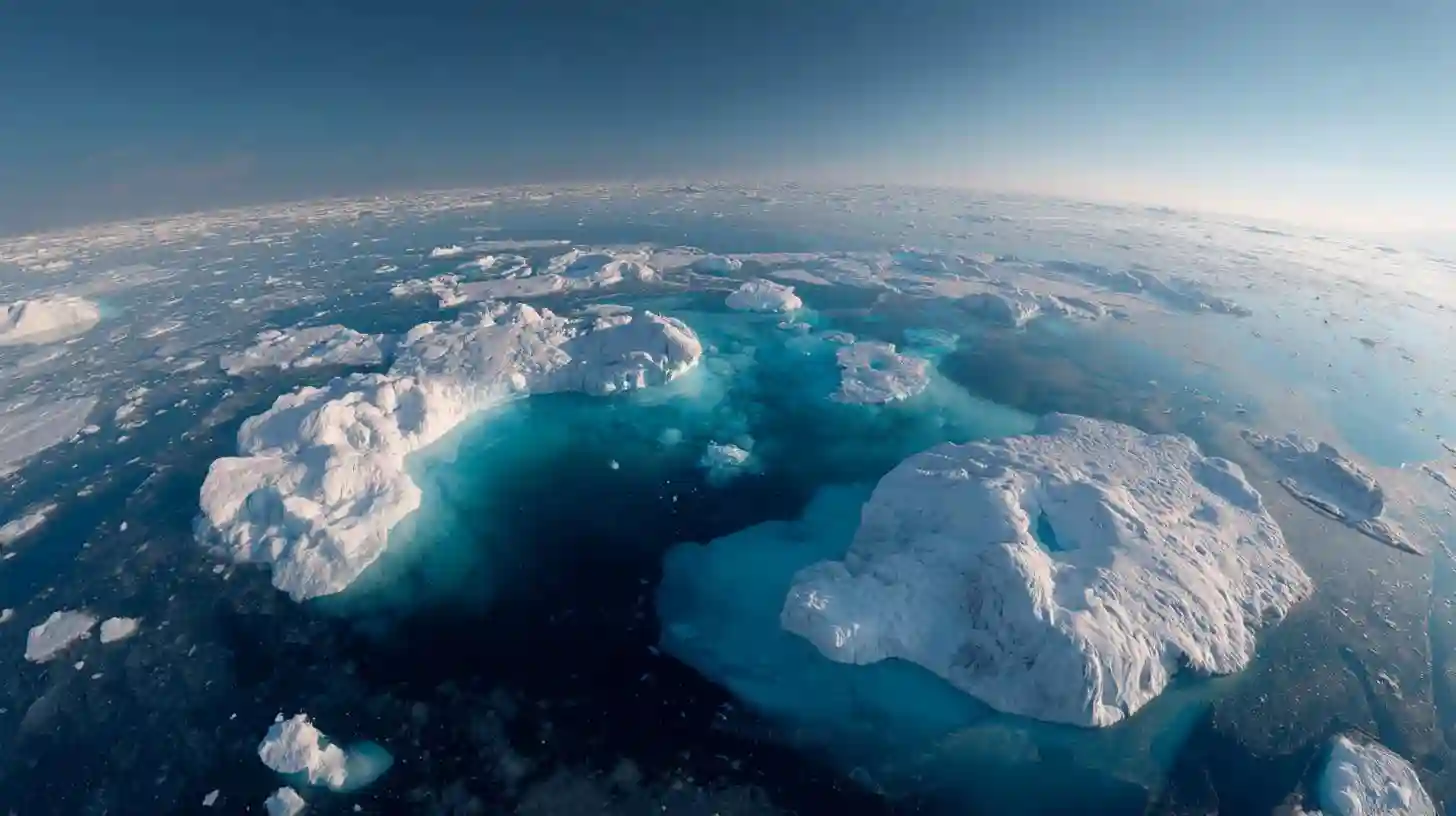
Climate change is having a profound impact on Arctic biodiversity, disrupting ecosystems that have long been adapted to cold, stable conditions. Rising global temperatures are leading to a decrease in sea ice, which serves as a vital habitat for many species. For marine mammals like seals and polar bears, the loss of ice means a reduction in hunting grounds and breeding areas. As the ice recedes, these animals are forced to travel longer distances in search of food and suitable environments for raising their young. This change not only threatens their survival but also puts additional stress on their already fragile populations. On land, the warming climate is bringing changes to the vegetation and the animals that depend on it. Plants that thrive in cold temperatures are struggling to compete with species that prefer warmer climates, leading to a shift in the entire food web. Herbivores like caribou, which rely on mosses and lichens, are finding their food sources less abundant as these plants are outcompeted by more aggressive species. Meanwhile, predators like wolves and Arctic foxes are seeing changes in prey availability, which impacts their ability to hunt and reproduce. Migratory birds are also affected by climate change. Many species rely on the Arctic for breeding, but with earlier melting ice and shifts in plant and insect life cycles, their traditional migratory patterns are disrupted. The timing of food availability no longer aligns with the arrival of these birds, leading to a mismatch that threatens the survival of entire generations. As the Arctic warms, there are also concerns about the release of methane gas, which is trapped in the permafrost. This could further accelerate global warming, creating a vicious cycle that exacerbates the challenges already faced by Arctic ecosystems. Climate change is not just a distant problem but one that is already affecting the delicate balance of life in the Arctic. The region is experiencing rapid and irreversible changes that will have consequences not just for the animals that live there but for the global environment as a whole.