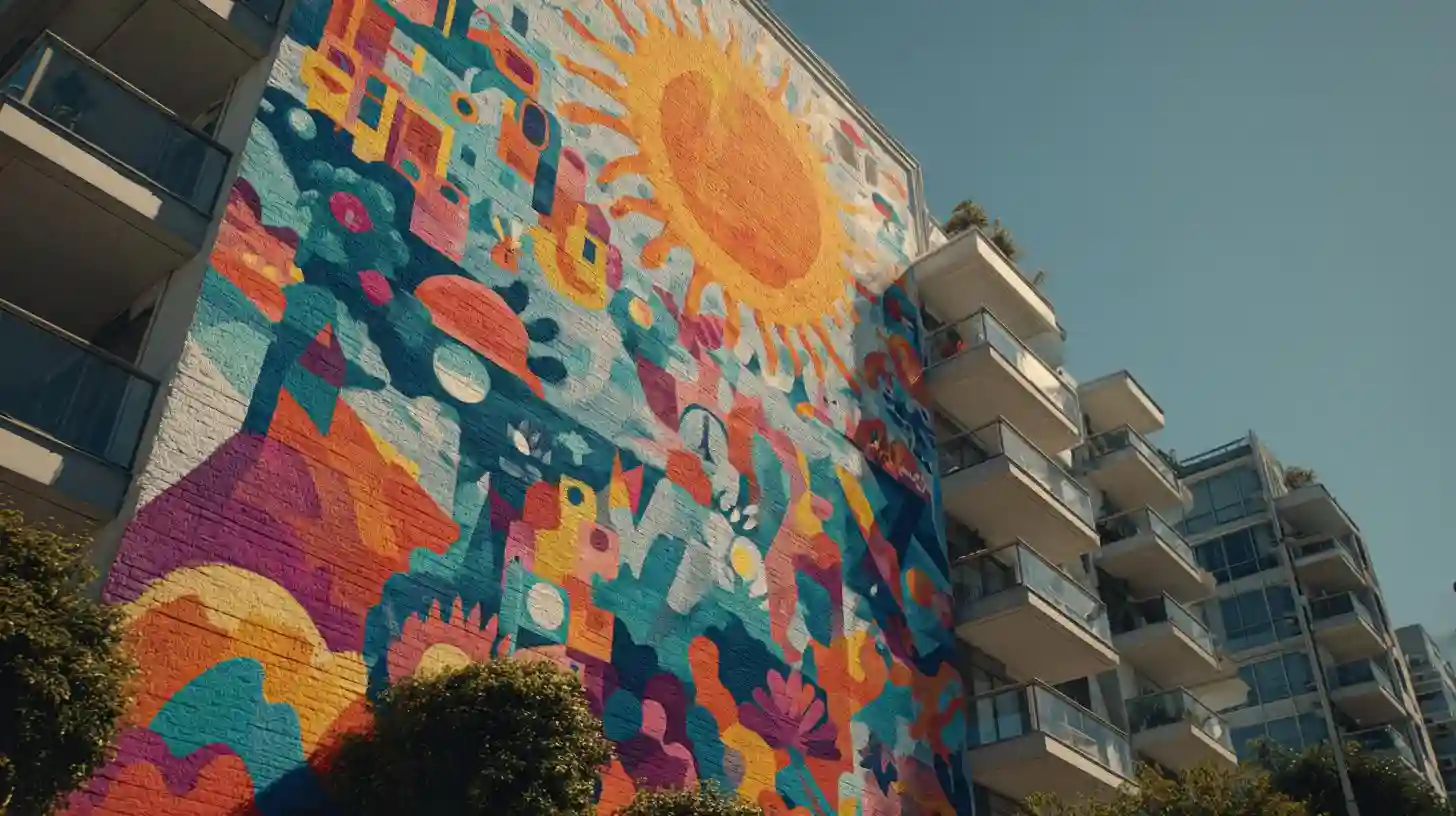
Modern muralists have become integral players in the evolution of urban art, reshaping cityscapes across the globe. Their influence extends beyond just the aesthetic transformation of walls and public spaces, sparking social, cultural, and political conversations that are woven into the fabric of urban life. The rise of muralism has propelled art into public view, making it a dynamic and accessible medium for expression. These murals, often large-scale and vibrant, invite viewers to experience art outside traditional galleries, making it an integral part of daily life for those living in cities.
Artists like Banksy, Shepard Fairey, and Blu have played pivotal roles in bringing street art to the forefront of global cultural conversations. They use public walls as canvases to comment on social issues, political systems, and consumer culture. Through their work, they blur the lines between high art and graffiti, questioning the role of art in society and challenging who has the right to create and appreciate it. Modern muralists often engage with their environments, responding to the specific cultural and political contexts in which they work, creating a powerful connection between the community and the artwork itself.
Urban art trends have evolved as muralists began to employ various techniques and styles that merged elements from different art movements. While traditional muralism was closely tied to historical narratives or social realism, contemporary muralists experiment with abstraction, surrealism, and graphic design, which has led to a diversity of styles. This experimentation has contributed to the broad acceptance of murals as an art form, once considered only marginally acceptable. The result is a rich and varied landscape of urban art that reflects the unique identity of each city and its inhabitants.
Moreover, murals have become tools for gentrification and revitalization efforts, as cities seek to rejuvenate neglected neighborhoods. Large murals can transform a rundown area, making it more visually appealing and drawing tourists and local visitors alike. This revitalization, however, often comes with challenges. Some argue that the commercialization of murals, as they are increasingly used for advertising and branding, can detract from their original purpose as a form of social commentary or resistance. Nevertheless, modern muralists continue to push the boundaries of what is possible in urban art, shaping not only the visual landscape but also the social and political discourse of cities around the world.