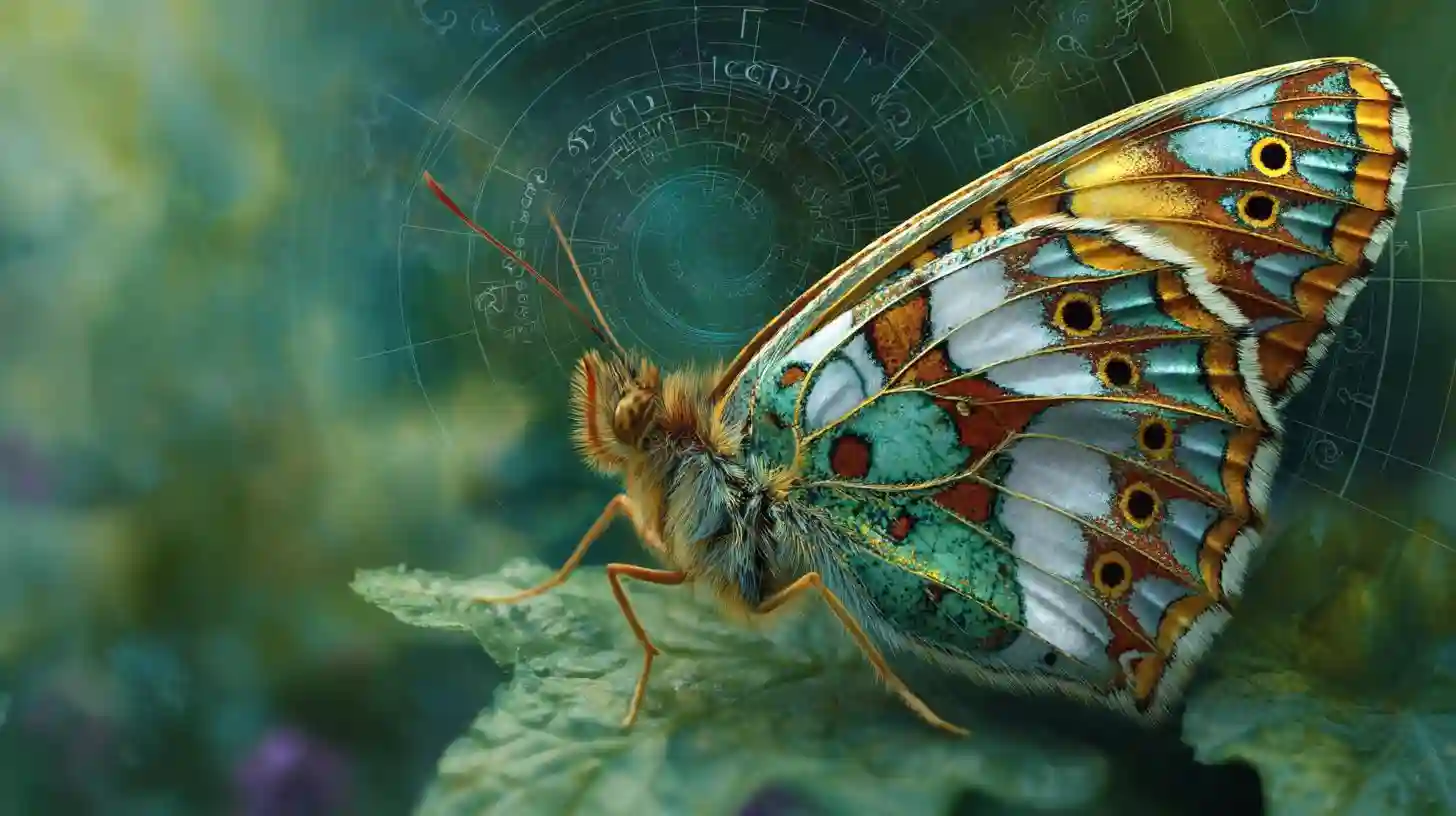
Butterflies are among the most colorful and beautifully patterned creatures in the animal kingdom. Their wings are a canvas of vibrant colors, intricate patterns, and shimmering textures that have fascinated both scientists and enthusiasts for centuries. These stunning patterns are not just for show; they play crucial roles in a butterfly's life. The colors and markings on their wings can serve various purposes such as camouflage, attracting mates, and warning predators of their toxicity. Butterflies use their colorful wings to blend into their surroundings, making it harder for predators like birds to spot them. The patterns on some species mimic the textures of leaves, tree bark, or flowers, helping them hide in plain sight. In other cases, butterflies display bright colors and striking patterns to signal danger or unpalatability. Some species have evolved to have vivid blues, reds, or yellows as a warning sign that they may be toxic or distasteful to predators. The incredible variety in butterfly patterns is also a result of evolutionary adaptations. Over time, butterflies have developed different wing designs and colors depending on their environment and ecological niche. For instance, the Monarch butterfly, with its distinct orange and black pattern, is known for its long migration. The colors and patterns of butterflies can also be influenced by genetics, with each species having a unique set of traits that determine how its wings will look. The role of patterns and colors is not limited to survival. During mating seasons, many butterflies engage in elaborate courtship displays where the male flaunts his colorful wings to attract the female. These patterns are often more vivid in males, signaling fitness and genetic quality to potential mates. Additionally, scientists are continuously discovering new insights into how butterflies produce their vibrant hues. Some butterflies have scales on their wings that reflect light in a way that creates iridescent colors, while others use pigments to achieve their hues. Whether it's the camouflage patterns of a brown and black butterfly or the brilliant oranges of a tropical species, the colors and patterns of butterflies remain a mesmerizing spectacle in nature.