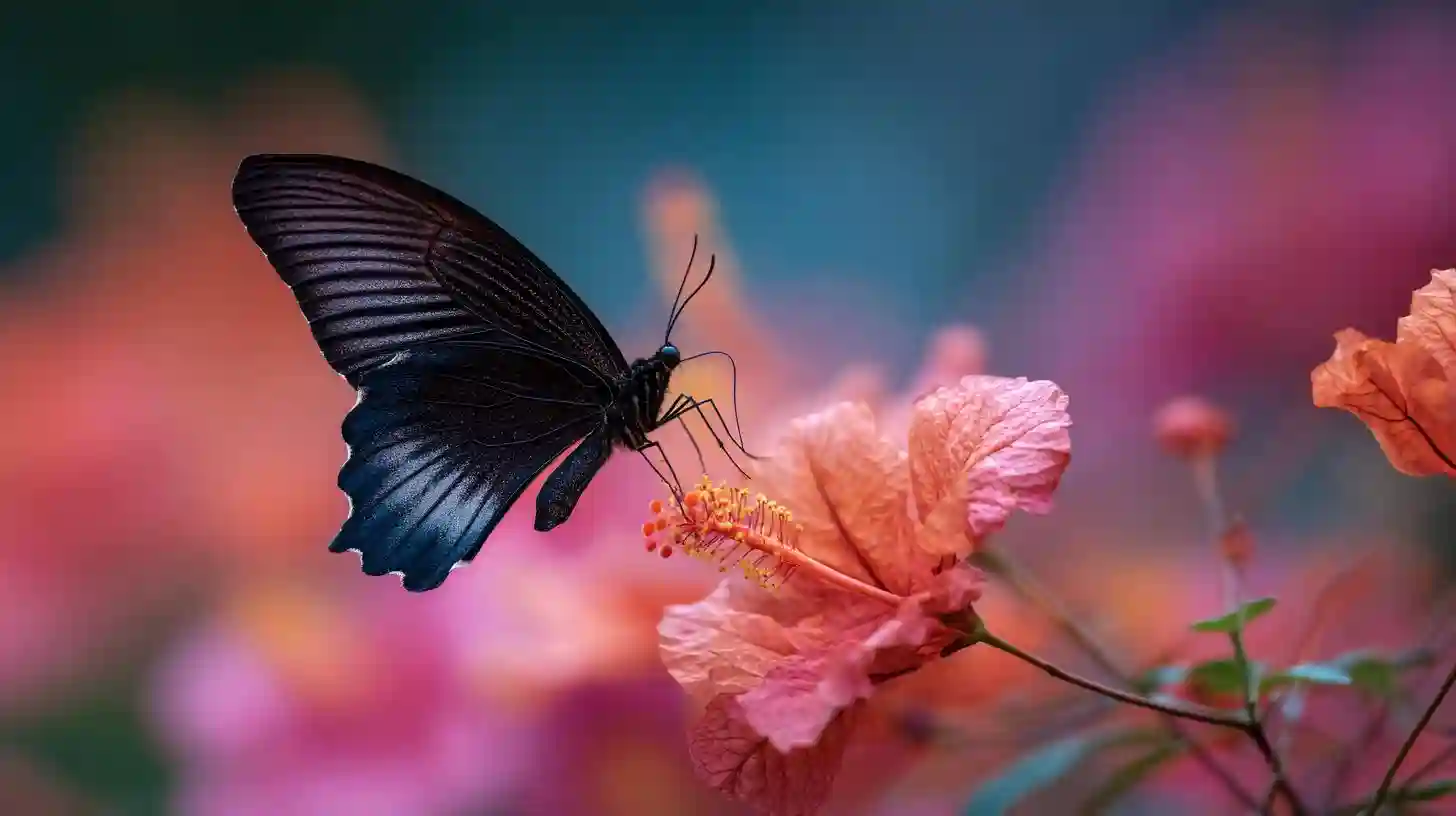
Butterflies play an essential role in pollination, making them key contributors to the health of ecosystems. As they move from one flower to another in search of nectar, they unintentionally transfer pollen, which facilitates the fertilization process in plants. This process is vital for the reproduction of a wide variety of plant species, including many that humans rely on for food, such as fruits and vegetables. Without the actions of butterflies and other pollinators, the productivity of these plants would significantly decrease, threatening food security and biodiversity.
Beyond their role in pollination, butterflies are important indicators of the overall health of an ecosystem. Their presence or absence can signal changes in environmental conditions, such as habitat destruction or climate change. As sensitive organisms, butterflies are easily affected by shifts in temperature, air quality, and the availability of suitable habitats. For instance, a decline in butterfly populations may suggest issues like habitat loss, the use of harmful pesticides, or other disturbances in the ecosystem. Monitoring butterfly populations can thus offer valuable insights into the state of natural environments, helping conservationists track the effectiveness of environmental protection efforts.
In addition to their ecological role, butterflies contribute to the health of ecosystems by supporting biodiversity. Many plants depend on a variety of pollinators to ensure genetic diversity, which strengthens plant populations and helps them adapt to changing conditions. This diversity, in turn, supports a wide range of herbivores, predators, and other wildlife species, all of which depend on plants for food and shelter. The intricate relationships between butterflies, plants, and other species create a balanced web of life that supports the functioning of ecosystems. The loss of butterflies and other pollinators could disrupt these connections, leading to cascading effects that threaten the stability of ecosystems.
The health of butterfly populations is therefore directly tied to the overall wellbeing of ecosystems. Protecting butterflies means protecting a vast network of life that depends on pollination, plant diversity, and the preservation of natural habitats. Efforts to conserve butterfly species and their habitats can have far-reaching effects, not only ensuring the survival of butterflies themselves but also safeguarding the entire ecological network that relies on their vital services.