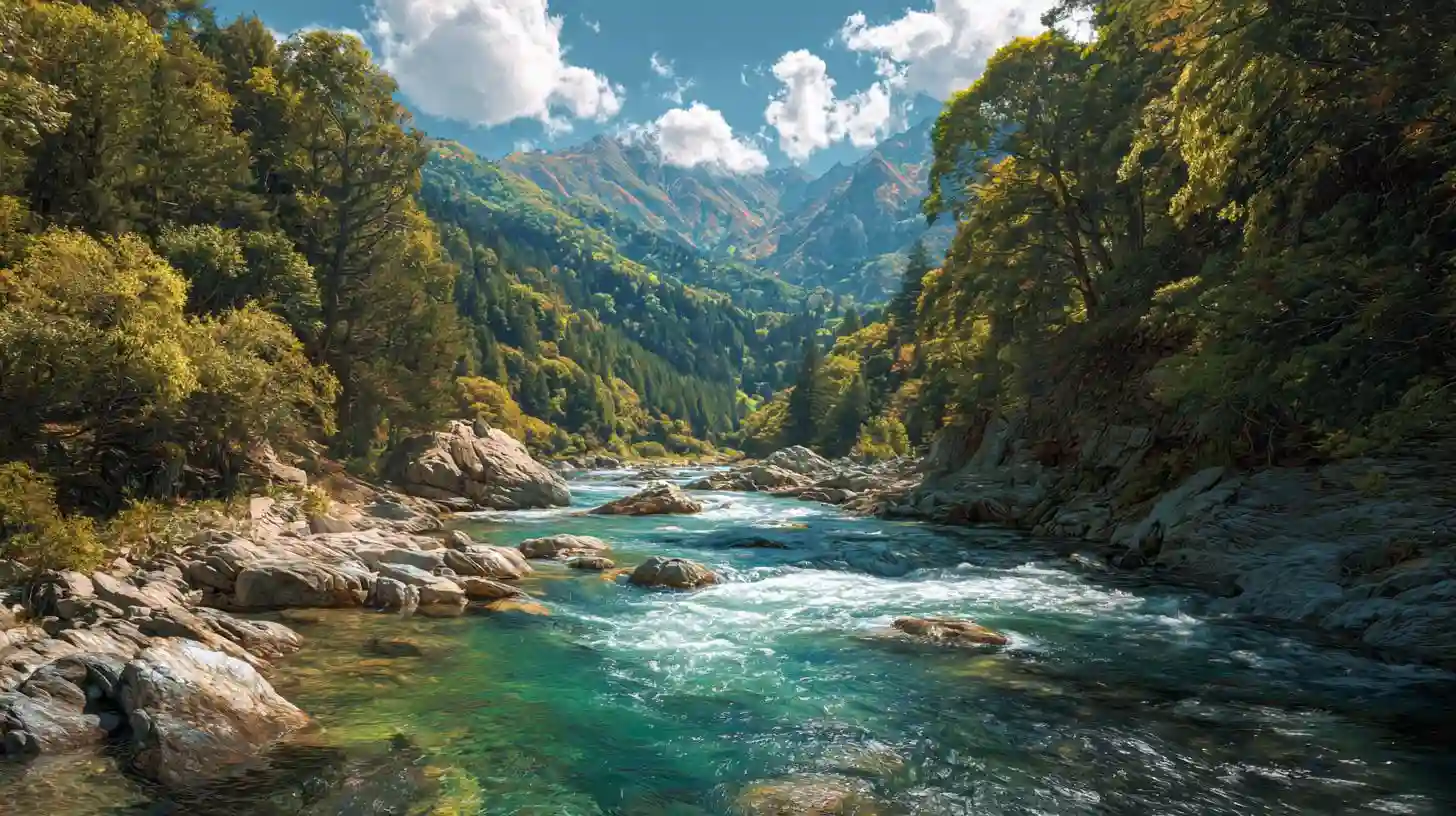
High-resolution reference photos can significantly improve the accuracy and detail of a drawing. The clarity of high-resolution images provides an artist with sharp, crisp details that are essential for capturing the finer nuances of texture, light, and shadow. With more pixels, an artist can zoom in without losing any important information, making it easier to replicate complex patterns, intricate lines, and subtle color variations. The increased level of detail ensures that small features, such as the texture of skin, the reflection in an eye, or the weave of fabric, are captured with precision. Artists can also make more informed decisions about color mixing and shading, as they have a better understanding of the subtle transitions and gradients present in the original photo.
On the other hand, low-resolution reference photos can pose several challenges. The lack of detail in such images forces an artist to rely on their imagination, intuition, and memory, which can lead to less accurate representations. With fewer pixels, important details like fine lines, textures, and subtle contrasts can become blurry or pixelated. This can make it difficult to capture the true essence of the subject, especially when working with complex textures or soft gradients. Artists may find themselves having to guess or infer what certain parts of the subject look like, which can reduce the overall quality of the drawing. Additionally, when zooming in on low-resolution images, the image quality deteriorates further, making it harder to discern accurate proportions and details.
However, low-resolution images are not without their merits. They can serve as a good tool for practicing general shapes, forms, and compositions. When working with these types of reference photos, artists may focus more on the overall structure of the subject, which can be useful for developing quick sketches or for working in a more stylized manner. Low-resolution images may also encourage creativity and improvisation, as the artist is less reliant on the exact details and more focused on capturing the general impression of the subject.
Despite the advantages of low-resolution references for certain artistic exercises, high-resolution photos offer the most accurate and detailed guidance for creating high-quality drawings. With more clarity, artists can produce more realistic, precise, and intricate works of art. The choice between high and low-resolution references ultimately depends on the artist’s goals, the type of work they are creating, and the level of detail they wish to achieve in their final piece.