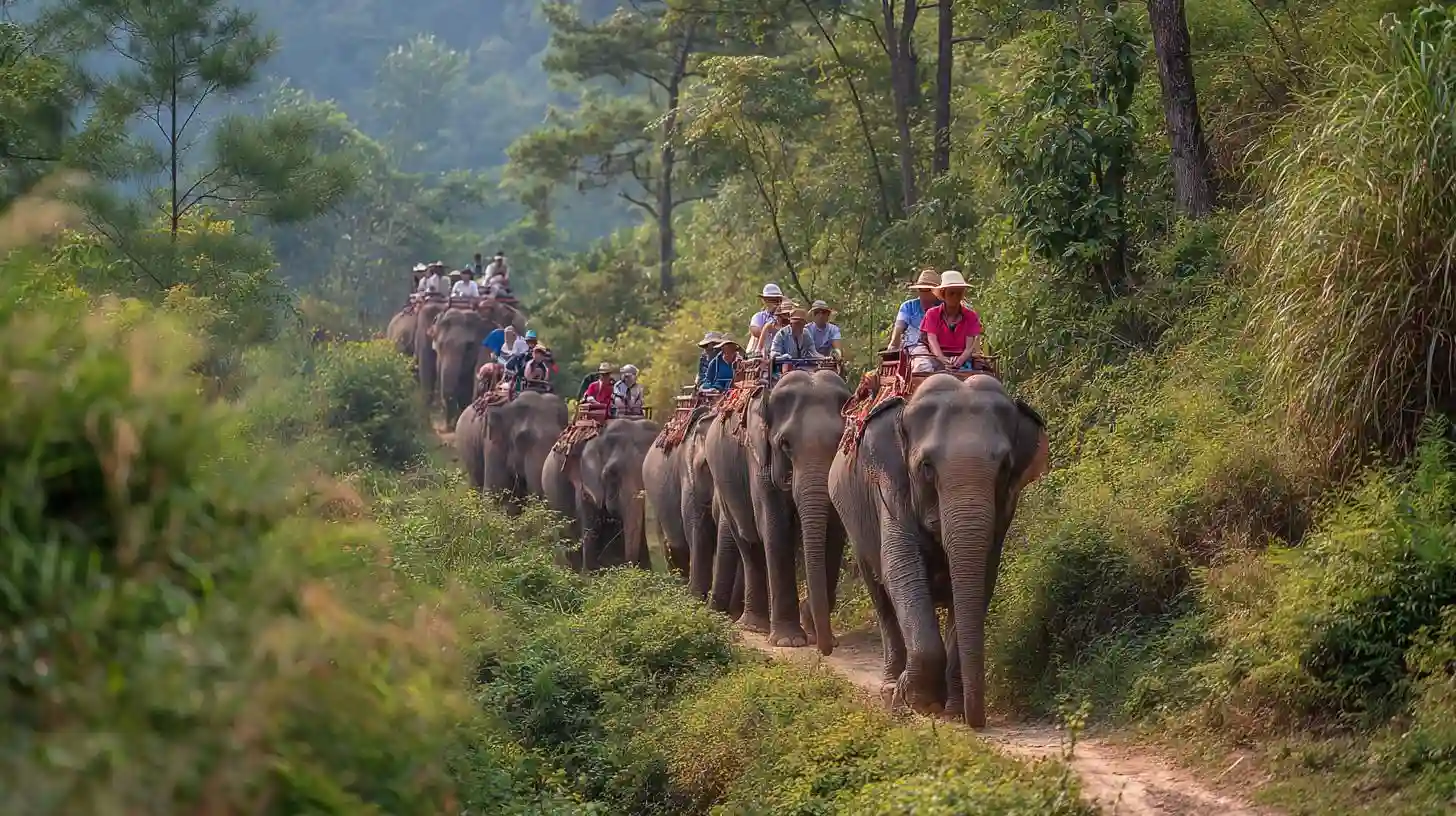
Wildlife tourism has gained popularity as a way for travelers to experience the natural world, but many traditional activities, such as elephant rides, have raised ethical concerns regarding animal welfare. As awareness of these issues increases, alternative ways to enjoy wildlife experiences without compromising the well-being of animals are becoming more sought after.
One alternative to elephant rides is participating in walking safaris or treks led by knowledgeable guides. These activities allow tourists to observe animals in their natural habitats while respecting their space and without disrupting their behavior. These safaris often take place in protected wildlife reserves, where the focus is on conservation and responsible observation, offering a more immersive and educational experience.
Another option is visiting sanctuaries and rescue centers that provide a safe haven for animals that have been rescued from exploitative situations. In these centers, visitors can learn about the rehabilitation efforts being made to care for animals that have been previously abused or exploited. By supporting these organizations, tourists can contribute to animal welfare and conservation efforts directly.
For those interested in marine life, eco-friendly whale and dolphin watching tours offer a wonderful opportunity to observe these majestic creatures in the wild without disturbing them. These tours are conducted with a focus on sustainability and respect for the animals, often adhering to strict guidelines on distance and behavior to ensure the animals are not stressed or harmed.
Birdwatching is another sustainable wildlife tourism activity that provides a chance to observe animals without any direct interaction. Birdwatching tours are often led by local experts who help identify species and explain their role in the ecosystem, providing a deeper understanding of the environment and its delicate balance.
For a more interactive experience, travelers can engage in photography tours that teach the art of capturing animals in their natural environment. These tours often emphasize the importance of ethical practices, such as keeping a safe distance and avoiding the use of flash, to ensure that wildlife is not harmed or distressed during the process.
By choosing alternatives to traditional activities like elephant rides, travelers can still enjoy the beauty of the natural world while promoting responsible wildlife tourism that prioritizes animal welfare, conservation, and ethical interaction.