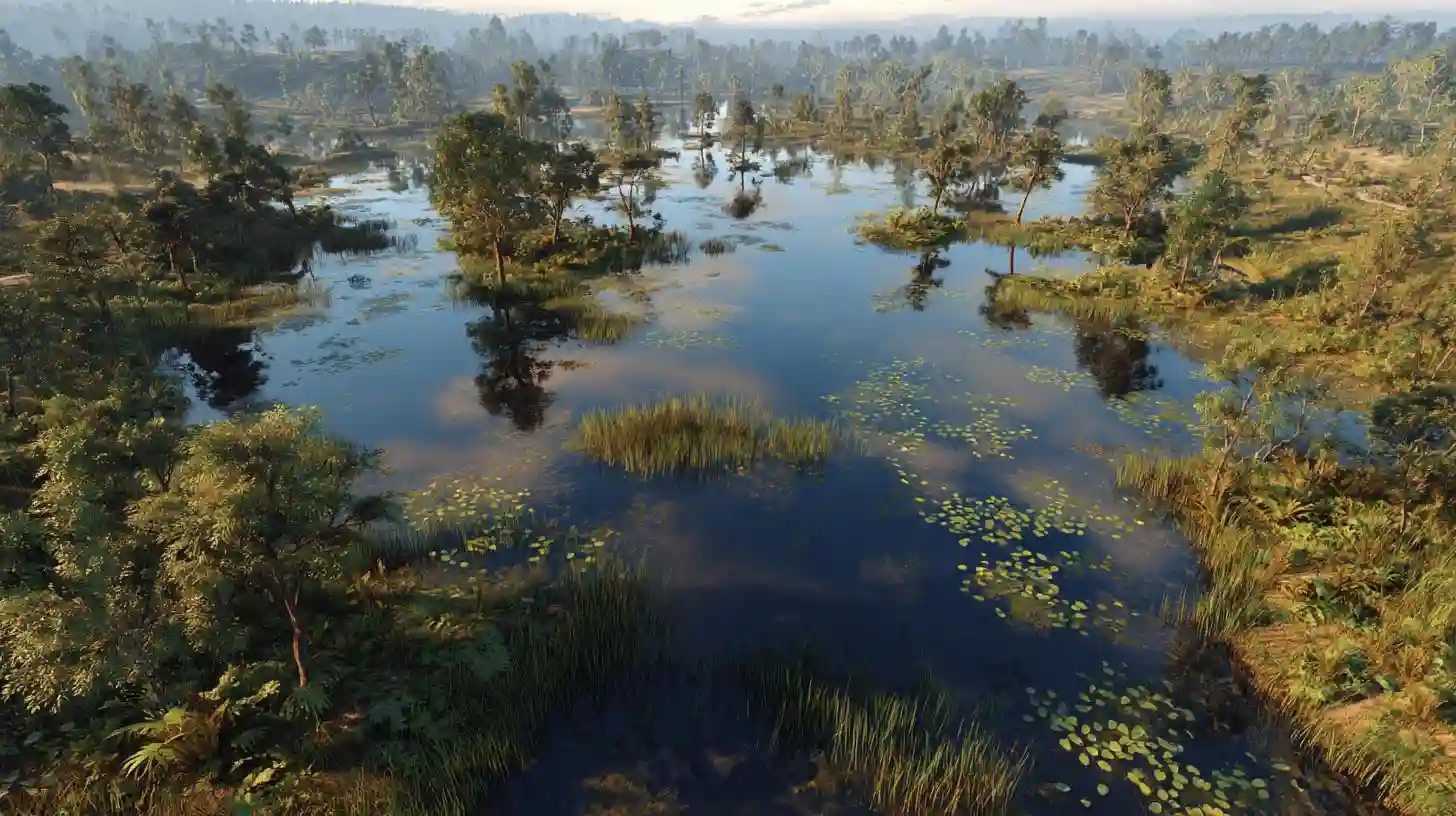
Wetland habitats are among the most vital ecosystems on the planet, providing a diverse range of services, including water filtration, flood control, and supporting a vast array of wildlife. However, climate change poses a significant threat to these areas, disrupting their delicate balance and pushing them to the brink of collapse. As temperatures rise globally, wetland environments are increasingly vulnerable to shifts in precipitation patterns, rising sea levels, and more extreme weather events. These changes not only affect the physical characteristics of wetlands but also the species that rely on them for survival.
One of the most noticeable impacts of climate change on wetlands is the alteration in the timing and intensity of rainfall. Many wetland ecosystems depend on seasonal rainfall to maintain their water levels and sustain the diverse plant and animal life that call them home. With changing weather patterns, some wetlands face the risk of becoming either too dry or too flooded, both of which can lead to a loss of biodiversity. In arid regions, the drying out of wetlands can lead to the collapse of critical habitats for migratory birds, amphibians, and fish, while in wetter regions, the increased frequency of flooding can wash away plant species that are crucial to the ecosystem’s health.
Rising sea levels, driven by the melting of polar ice caps and glaciers, are also severely threatening coastal wetlands. As saltwater intrudes into previously freshwater environments, many plant and animal species that cannot tolerate saline conditions are displaced, reducing biodiversity and altering the ecosystem's structure. Mangrove forests, salt marshes, and tidal flats are especially vulnerable to this intrusion, as they provide essential services such as shoreline protection and nursery areas for marine life.
Moreover, the temperature shifts caused by climate change affect the reproductive cycles of many wetland species. Warmer temperatures can disrupt the breeding and hatching processes of various amphibians and fish, leading to reduced populations and threatening the food chains dependent on these species. Additionally, invasive species, which thrive in disturbed environments, are increasingly encroaching upon wetland areas, outcompeting native species and further exacerbating the negative effects of climate change.
Wetlands also act as carbon sinks, absorbing large amounts of carbon dioxide from the atmosphere. However, as they are degraded by climate change, these ecosystems can release the carbon they have stored, contributing to further global warming. The loss of wetlands exacerbates the effects of climate change, creating a vicious cycle that is difficult to break. Human activities, such as draining wetlands for agriculture or urban development, have already contributed to significant wetland loss, and the additional pressures from climate change only compound these threats. Efforts to restore and protect wetlands are critical, not only for preserving biodiversity but also for mitigating the long-term effects of climate change.