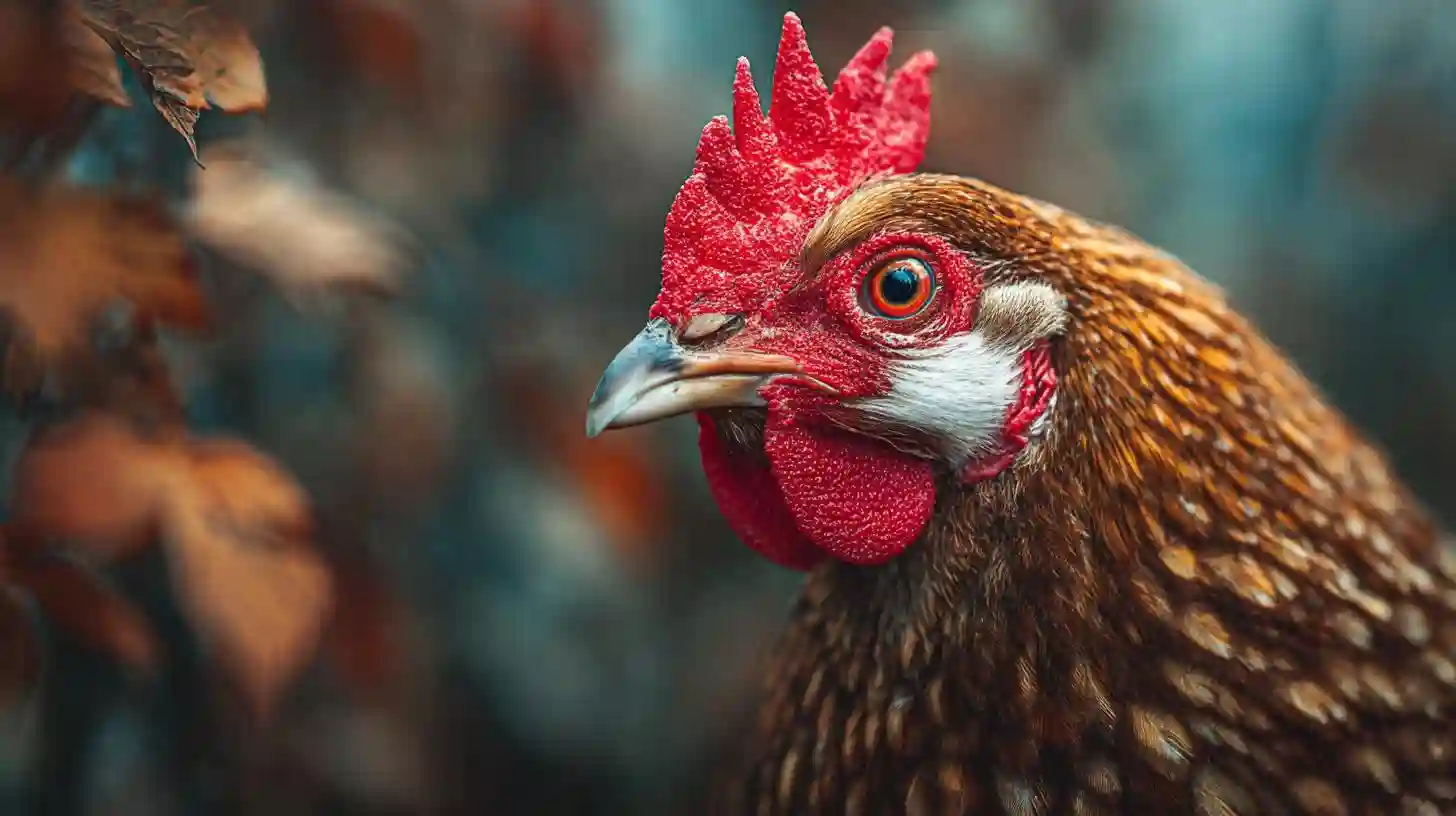
Chickens, like many animals, are governed by a variety of natural instincts and behavior patterns that ensure their survival and reproduction. One of the most fundamental instincts of chickens is the drive to seek safety from predators. Chickens are highly alert creatures, always scanning their environment for any signs of danger. When they sense a threat, they often display a behavior known as "alarm calling," where they emit a sharp, high-pitched sound to warn others in the flock. Upon hearing this call, other chickens quickly retreat to a safe area, usually under cover or within a group, where they feel protected.
Another instinctual behavior is foraging. Chickens are naturally curious and spend much of their time pecking the ground in search of food. Their diet typically consists of grains, seeds, insects, and small plants. This constant pecking behavior is not only driven by hunger but also by an innate need to explore and interact with their environment. Chickens have an excellent sense of sight, which aids them in spotting food items scattered around them. They often scratch the ground with their feet to uncover hidden food sources, displaying a behavior known as "scratching."
Chickens are also social animals with a complex pecking order. The dominance hierarchy within a flock is an essential part of their social structure. The most dominant chickens, often referred to as the "alpha hens" or "roosters," have priority access to food, mates, and the best roosting spots. Lower-ranking chickens must defer to higher-ranking individuals, often displaying submissive behaviors such as bowing or avoiding direct eye contact. This pecking order helps maintain order within the flock and reduces conflicts.
Roosting is another important behavior. Chickens instinctively seek high places to roost during the night. This behavior provides them with protection from ground-based predators. They often choose perches in a group, huddling together for warmth and safety. The position of the roosting area is important, as chickens tend to feel more secure when they are elevated and can observe their surroundings.
Mother hens also exhibit strong maternal instincts. When a hen lays eggs, she will often incubate them by sitting on them to provide warmth. During this period, she becomes very protective, guarding her nest from potential threats. Once the chicks hatch, the mother continues to care for them, leading them to food and water and teaching them how to forage. She also provides protection by keeping them close and alerting them to any dangers in the environment.
These instincts and behaviors are vital for the survival and well-being of chickens. They are finely tuned to help them adapt to their environment, find food, protect themselves, and raise their young. By understanding these natural behaviors, we can provide chickens with the conditions they need to thrive in a safe and nurturing environment.