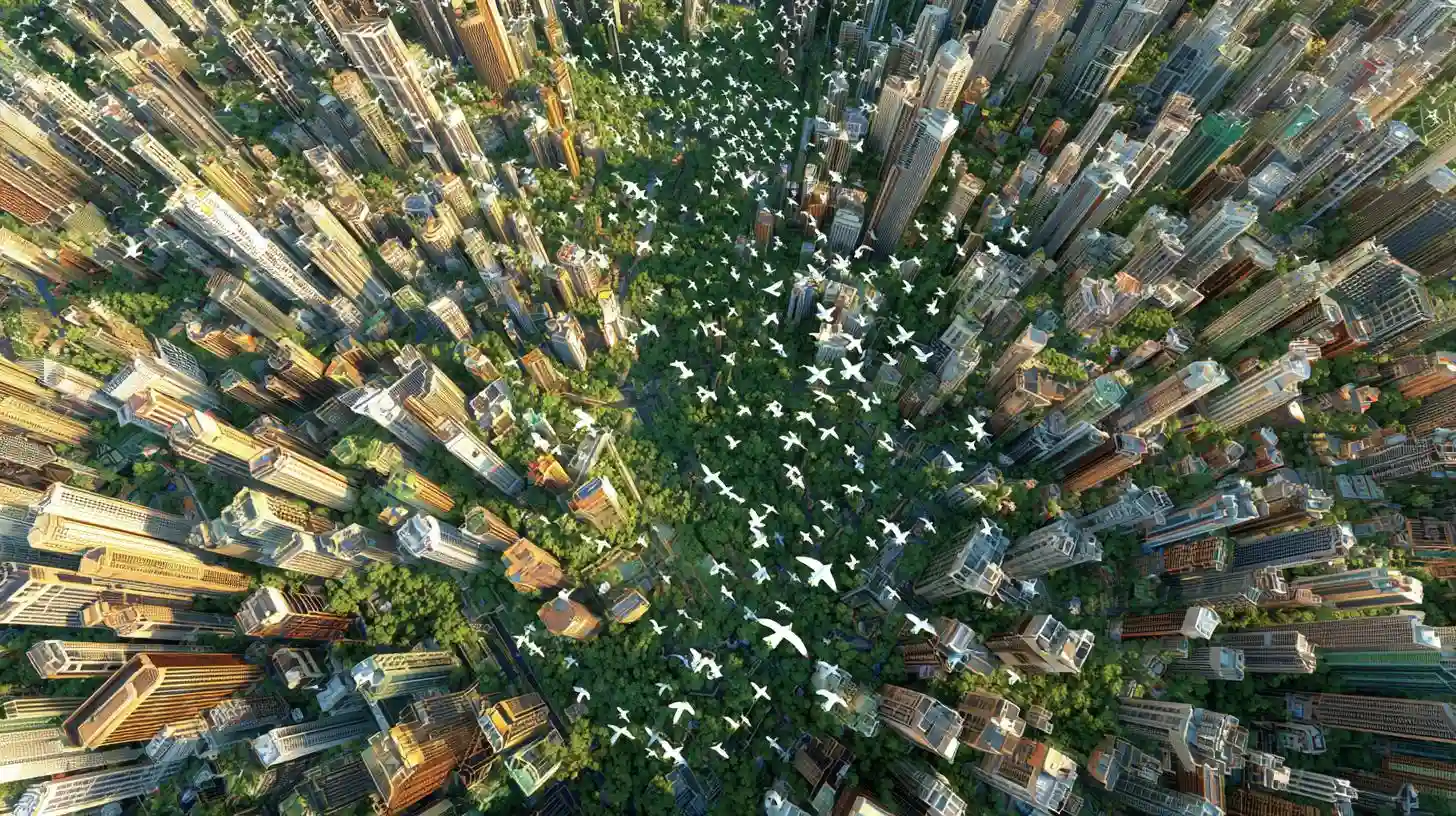
Urbanization has a significant impact on bird migration, altering both the patterns of movement and the environment in which birds thrive. The rapid expansion of cities and infrastructure affects the natural habitats that many bird species rely on for breeding, feeding, and resting during their migratory journeys. As urban areas continue to grow, forests, wetlands, and grasslands are often replaced by buildings, roads, and other human-made structures. These changes disrupt the habitats that birds once used to navigate, making it more difficult for them to find suitable places for nesting or to refuel during long migratory trips. The alteration of landscapes forces birds to adapt or adjust their migration routes, sometimes leading them to less optimal environments that may not provide the resources they need to survive. One of the most profound effects of urbanization is the increased presence of artificial lights, especially in large cities. This disruption confuses migratory birds, causing them to veer off course or become disoriented during night flights. Birds rely on celestial navigation, using the stars to guide their migration. Bright city lights interfere with this natural process, leading to what is known as "light pollution." Birds that become disoriented often collide with buildings, resulting in injury or death. Furthermore, the changing climate, exacerbated by urbanization, adds another layer of complexity to migration patterns. The rise in temperatures and the alteration of seasonal weather patterns may shift the timing of migration for some species, making it harder for birds to synchronize their journeys with the availability of food or suitable nesting sites. Urban environments also tend to have higher levels of air pollution, which can affect the health of birds and further impede their migration. As they pass through or near polluted urban areas, birds may be exposed to harmful chemicals that impact their physical condition and overall well-being. These changes in the landscape, weather, and air quality require birds to make difficult adjustments, with many species facing the challenge of finding new routes or adapting to the increasingly urbanized world. While some species may manage to thrive in or around cities, others are forced to change their behavior or even abandon their traditional migratory routes entirely, leaving them vulnerable to population declines.