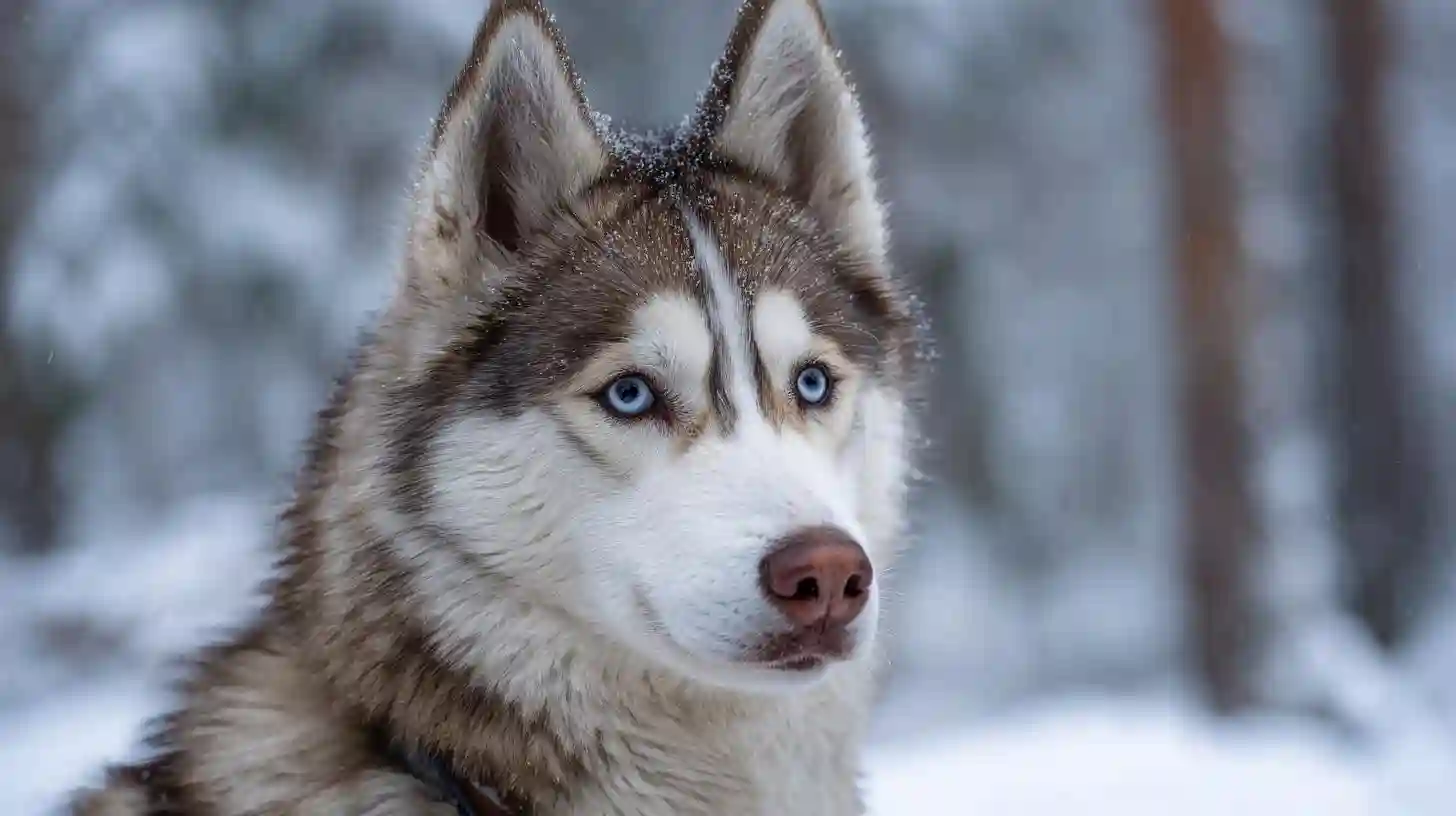
Siberian Huskies have a rich and fascinating history that dates back thousands of years to the harsh environments of Siberia. The breed’s origins are deeply rooted in the Chukchi people, a nomadic indigenous group living in the northeastern part of Siberia. These people relied on sled dogs for survival, using them to pull sleds over vast stretches of icy tundra and frozen landscapes. The Chukchi developed a unique breed of dog that could endure the extreme cold while working tirelessly for long hours. The Siberian Husky was designed to be a working dog, built for stamina rather than speed, and could cover great distances over difficult terrain with minimal food and rest.
The breed's introduction to the United States came in the early twentieth century during the Alaskan gold rush. In the early nineteen hundreds, a team of Siberian Huskies made a significant impact during the Serum Run, also known as the “Great Race of Mercy,” which took place in Alaska. A diphtheria outbreak threatened the lives of many in the remote village of Nome, Alaska, and a group of mushers used the Siberian Huskies to deliver a life-saving serum. The dogs’ ability to handle the extreme cold and cover long distances quickly made them famous, and they became a symbol of resilience and teamwork.
As time went on, Siberian Huskies became well-known for their striking appearance, characterized by their thick double coat, erect triangular ears, and distinctive markings, often with blue or multicolored eyes. Despite their popularity in races and as working dogs, they are also known for their independent and sometimes stubborn nature. While their history is rooted in hard labor and survival, Siberian Huskies today are often kept as companion animals, prized for their friendly and playful personalities. Their unique history and adaptability have made them one of the most beloved dog breeds in the world.