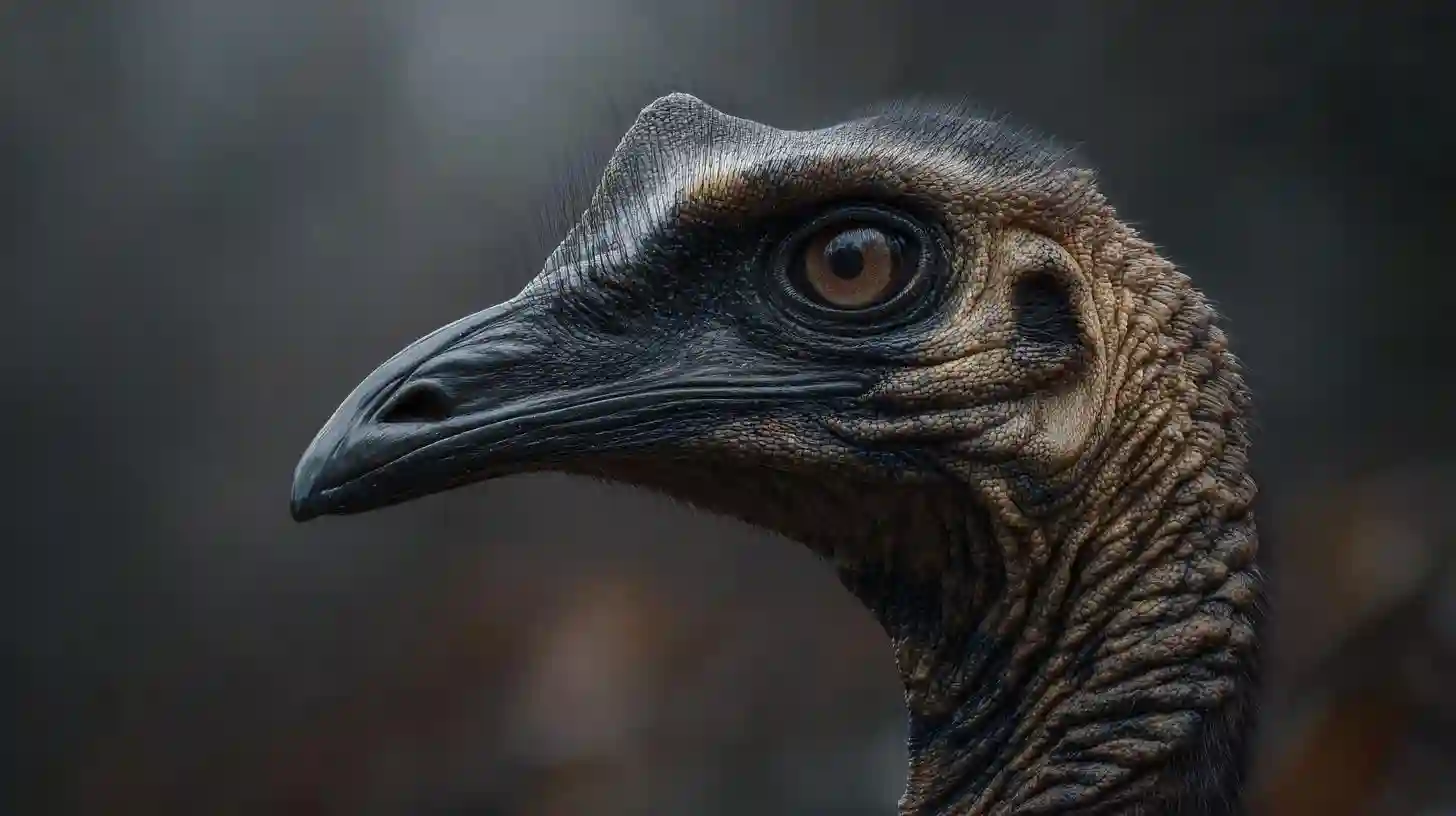
Flightless birds have long fascinated scientists and bird enthusiasts alike due to their unique evolutionary traits. These birds have evolved in isolated environments where flight was not a necessity for survival. The ancestors of flightless birds likely possessed the ability to fly, but over millions of years, they adapted to new environments where their wings were no longer essential for survival. Without the need for flight, these birds gradually lost their ability to take to the skies, focusing their energy on developing other traits to thrive in their specific habitats.
One of the most well-known examples of flightless birds is the ostrich, native to the African savannas. As the largest living bird, the ostrich’s evolution is closely linked to its ability to run at incredible speeds. Its strong legs have made it one of the fastest land animals, able to outrun predators despite lacking the ability to fly. In contrast, the kiwi of New Zealand represents a different adaptation, thriving in the dense forests where it relies more on its keen sense of smell and strong legs to forage for food, rather than any need to escape predators through flight. Its small wings, still present, are vestigial remnants of its flying ancestors.
The evolution of flightless birds has also been heavily influenced by geographic isolation. Islands, for example, have been a prime environment for the development of flightless species. The dodo, once native to Mauritius, was a flightless bird that lived in an ecosystem without natural predators. With no need for flight to escape danger, the dodo evolved into a large, ground-dwelling bird. Sadly, due to the introduction of human activity and invasive species, the dodo became extinct.
Other flightless birds, like the penguin, found an entirely different evolutionary path, adapting to life in the water. Penguins have evolved specialized wings that function as flippers, allowing them to excel in swimming rather than flying. The penguin's environment dictated this change, as they relied on their ability to hunt in the ocean for survival.
Over time, these flightless birds have demonstrated the vast variety of adaptations that can occur when flight is no longer a primary necessity. Whether through speed, agility, or the development of new hunting techniques, flightless birds have shown how evolution can lead to the emergence of entirely new survival strategies. As ecosystems change and evolve, so too do the birds that inhabit them, with flightless species serving as powerful examples of how nature finds alternative solutions to the challenges of survival.