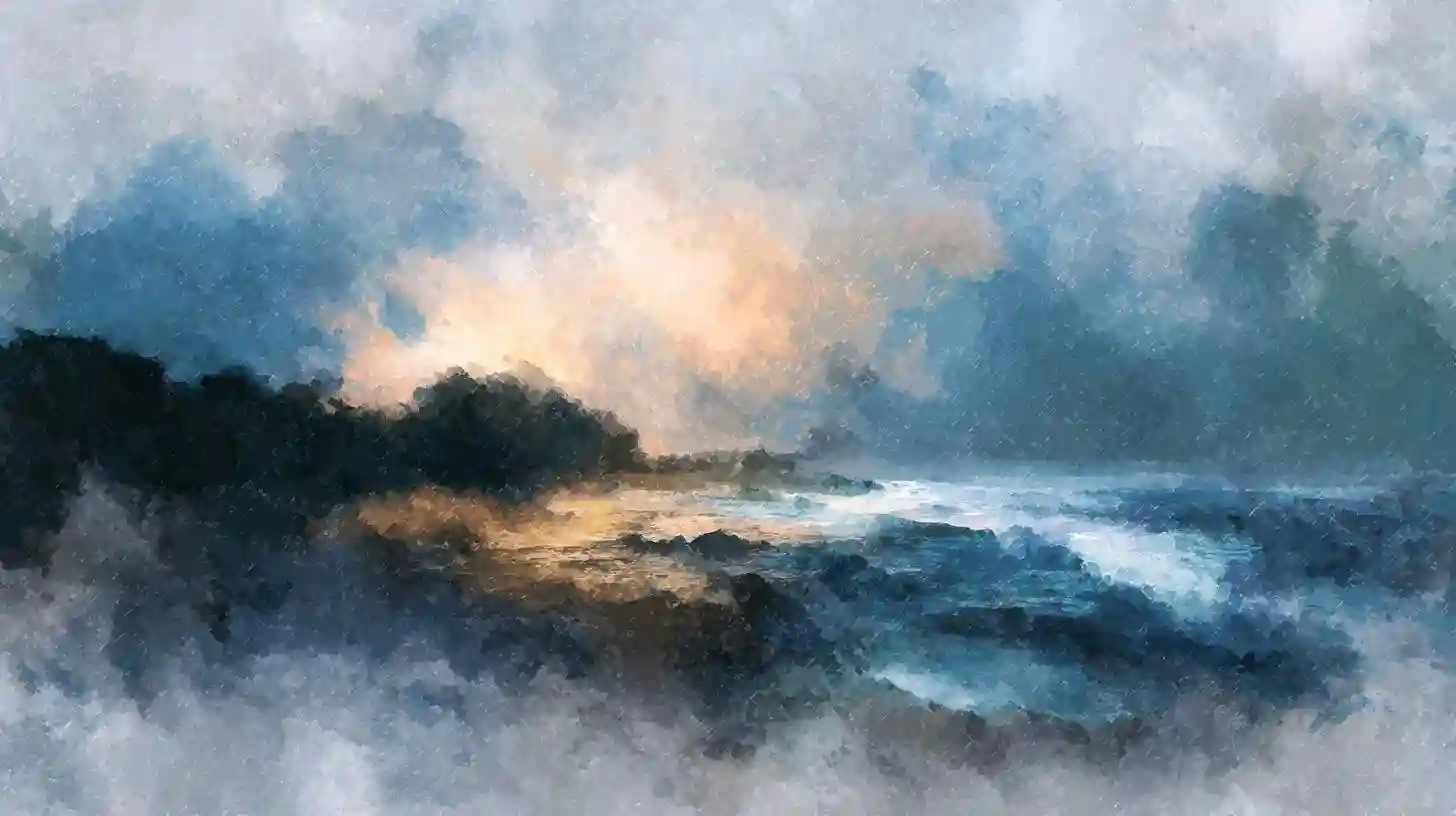
Natural light plays a crucial role in watercolor painting, influencing both the artist's process and the final artwork. Watercolor techniques rely heavily on the interaction between light and pigment. Unlike other mediums, watercolor is transparent, allowing light to pass through the pigment layer, reflecting off the paper beneath. This unique characteristic means that the quality of light in the environment directly affects how the colors appear on the paper. Soft natural light, often seen in early morning or late afternoon, brings out subtle tones and soft shadows, which are ideal for creating gentle washes and smooth transitions in color. On the other hand, harsh midday light can make the pigments appear more vibrant and intense, highlighting contrasts but also risking the loss of delicate tonal shifts. The direction of light also affects the way an artist perceives the scene. For example, a light source coming from the side can create long, dramatic shadows that help define forms and textures, guiding the artist in building depth and dimension. Additionally, natural light fluctuates throughout the day, which can inspire artists to adapt their techniques to the changing conditions. Watercolorists often embrace this variability, using it to enhance the mood and atmosphere of their work. The delicate balance between wet pigment and the drying effect of natural light also adds an element of unpredictability, encouraging artists to embrace the spontaneous nature of the medium. This interplay between light, water, and pigment is what gives watercolor its distinctive fluidity and life. The more an artist understands the nuances of natural light, the better they can manipulate these factors to create a dynamic, evocative painting that captures both the essence of the scene and the transient beauty of light itself.