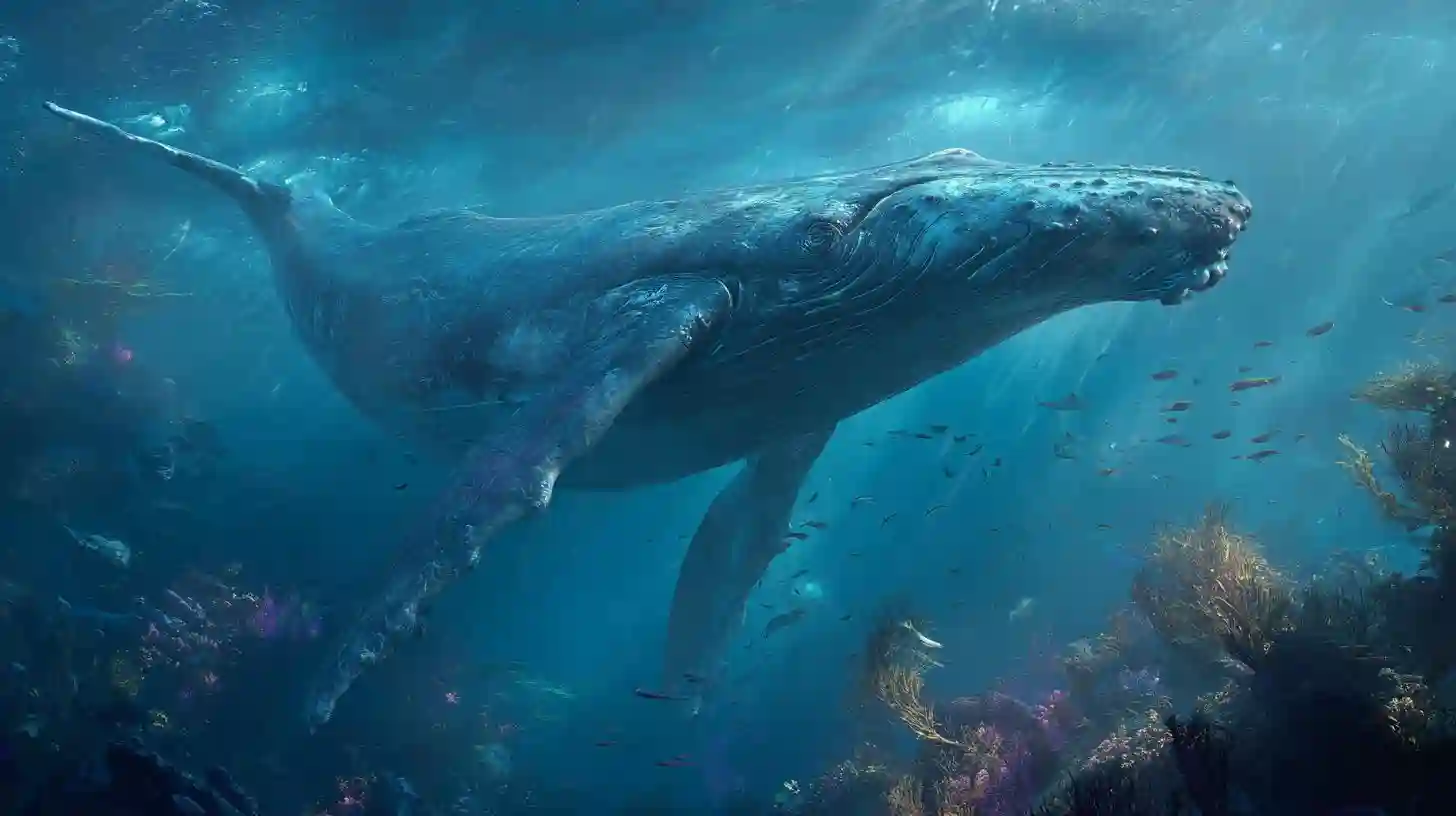
Whale falls, the carcasses of deceased whales that descend to the deep ocean floor, offer a unique opportunity to explore the mysteries of deep-sea ecosystems. These events create localized habitats that sustain an array of organisms, some of which are found nowhere else on Earth. Over the years, technological advancements have dramatically transformed how scientists study these enigmatic occurrences and the surrounding ecosystems. Deep-sea exploration, once limited by the depth and pressure of the ocean, has seen incredible progress with the development of remotely operated vehicles (ROVs) and autonomous underwater vehicles (AUVs). These machines, equipped with high-definition cameras, sensors, and sampling tools, can now reach depths that were previously unreachable and collect detailed data on the organisms living in these extreme environments. A key challenge in studying whale falls has always been the difficulty of accessing the depths of the ocean where these events occur. However, recent advancements in submersible technology have allowed researchers to observe whale falls at unprecedented levels of detail. Specially designed vehicles can now descend to depths far beyond human reach, offering scientists a firsthand look at the colonization of whale carcasses by various species such as scavenger fish, crustaceans, and bacteria. With the aid of cutting-edge DNA sequencing techniques, researchers can also identify the microorganisms involved in the decomposition process, shedding light on the intricate relationships within these deep-sea food webs. Another leap forward has been the advent of advanced imaging technology, such as sonar mapping and 3D imaging. These tools allow scientists to create detailed, three-dimensional models of whale falls and the surrounding seafloor, providing a clearer picture of how these events shape deep-sea ecosystems over time. As researchers continue to improve the precision of these technologies, they uncover new insights into the role of whale falls in nutrient cycling, biodiversity, and the resilience of deep-sea environments.