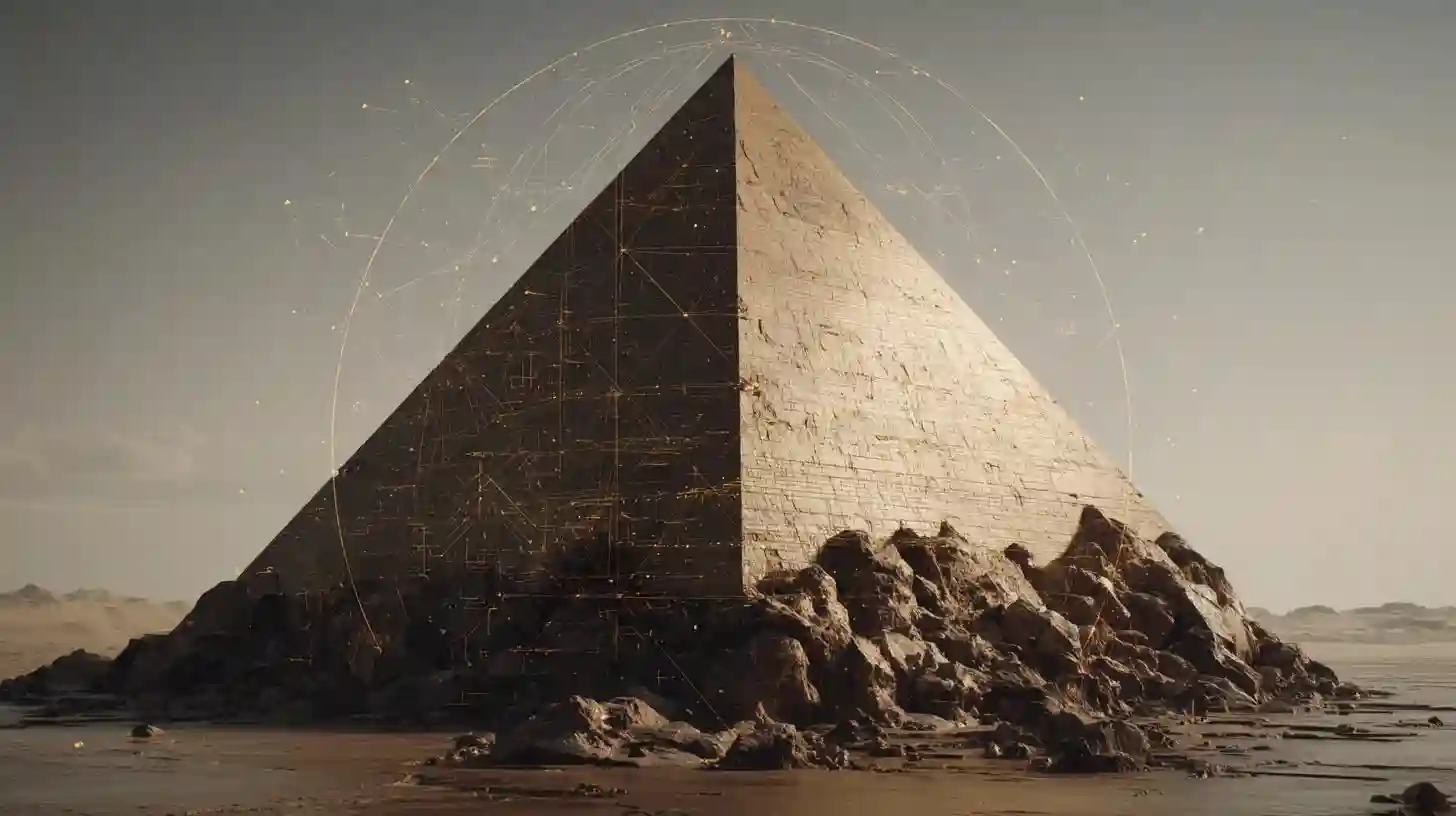
The Grand Pyramid, one of the most iconic monuments of ancient Egypt, is a symbol not only of architectural achievement but also of the broader cultural evolution of Egyptian civilization. Originally constructed as a tomb for the Pharaoh Khufu during the Fourth Dynasty of the Old Kingdom, the pyramid has undergone several transformations over millennia, both physically and symbolically. The structure itself, made from millions of limestone blocks, was once covered in smooth, white Tura limestone casing that gleamed brightly under the Egyptian sun, adding to its awe-inspiring appearance. Over time, the outer casing was removed, and the pyramid began to weather, revealing the core structure we see today. This transformation reflects the erosion of time, both in terms of physical decay and shifts in cultural values.
The Grand Pyramid’s significance has evolved dramatically since its construction. In ancient Egypt, the pyramid served as a symbol of divine power, immortality, and the Pharaoh's connection to the gods. It was designed with intricate alignment to the stars, emphasizing the importance of celestial connections in Egyptian cosmology. As centuries passed and Egypt experienced changes in its political and religious landscape, the meaning of the pyramid shifted. During later periods, as Egypt fell under foreign rule and its ancient practices faded, the pyramid became less associated with Egyptian religious beliefs and more with the legacy of Egypt’s grandeur.
In the modern era, the Grand Pyramid has undergone yet another transformation. It no longer solely represents the Pharaoh's eternal rest but has become a symbol of human ingenuity and the mysteries of the ancient world. As a major tourist attraction, it serves as a bridge between the past and the present, drawing millions of visitors from across the globe. People from different cultures and backgrounds now gaze upon the pyramid, not just with reverence for its original purpose, but with awe for the engineering feats it represents. The pyramid has transformed from a royal tomb into a universal symbol of mystery, history, and the enduring power of cultural heritage.
Throughout its existence, the Grand Pyramid has continuously adapted, reflecting the changing values, beliefs, and historical contexts of Egyptian society. From its original function as a tomb to its role as a modern-day cultural landmark, the transformation of the Grand Pyramid illustrates how monuments evolve alongside the civilizations they represent, shifting in meaning and importance as they face the tests of time and change.