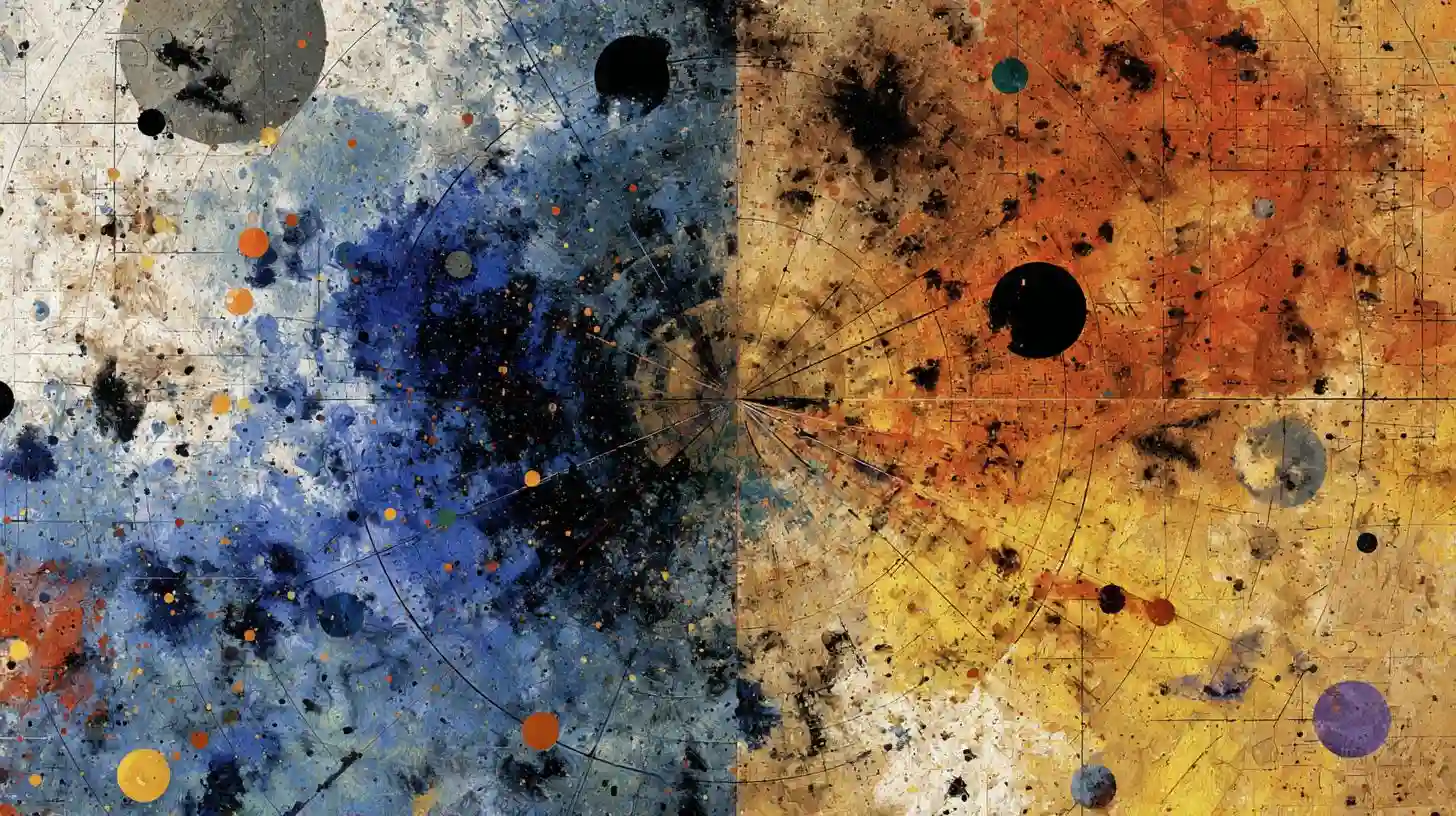
After Abstract Expressionism, the art world saw a series of innovative and transformative movements, each reacting to and building upon the previous. The early post-Abstract Expressionist period was marked by a shift towards a more controlled and intellectual approach to art. This was evident in the rise of Minimalism, which focused on reducing art to its most basic forms and elements. Artists rejected the emotional intensity and complexity of Abstract Expressionism, instead emphasizing simplicity and objectivity. The use of geometric shapes, clean lines, and monochromatic color palettes characterized Minimalist works. As Minimalism became prominent, Pop Art emerged as a direct response to consumer culture and mass media. Pop artists embraced imagery from advertising, comic books, and everyday objects, using bright colors and bold compositions to elevate the ordinary into the realm of high art. This movement reflected the increasing influence of consumerism in society, and artists like Andy Warhol and Roy Lichtenstein became iconic figures in this shift. The 1960s also saw the rise of Conceptual Art, which challenged the traditional definition of art. Conceptual artists argued that the idea behind the artwork was more important than its aesthetic value or material form. This movement often took the form of text-based works, installations, and performances, pushing the boundaries of what could be considered art. In the 1970s, feminist art began to gain momentum, questioning the patriarchal structures within the art world. Female artists used their work to explore issues of identity, gender, and the role of women in society, often incorporating personal narratives into their pieces. The feminist art movement was not only a reaction to the exclusion of women from the art world but also a call for greater representation and equality. Meanwhile, the rise of street art in urban spaces brought new attention to the relationship between art and public space. Artists like Jean-Michel Basquiat and Keith Haring began creating works that bridged the gap between fine art and popular culture. Their use of graffiti, bold lines, and symbolism transformed urban landscapes into vibrant galleries. These movements, along with others like Photorealism and Postmodernism, contributed to a dynamic and evolving art scene that continued to challenge conventions and redefine the boundaries of artistic expression. Each movement built upon the innovations of its predecessors while reflecting the changing social, political, and cultural landscape.