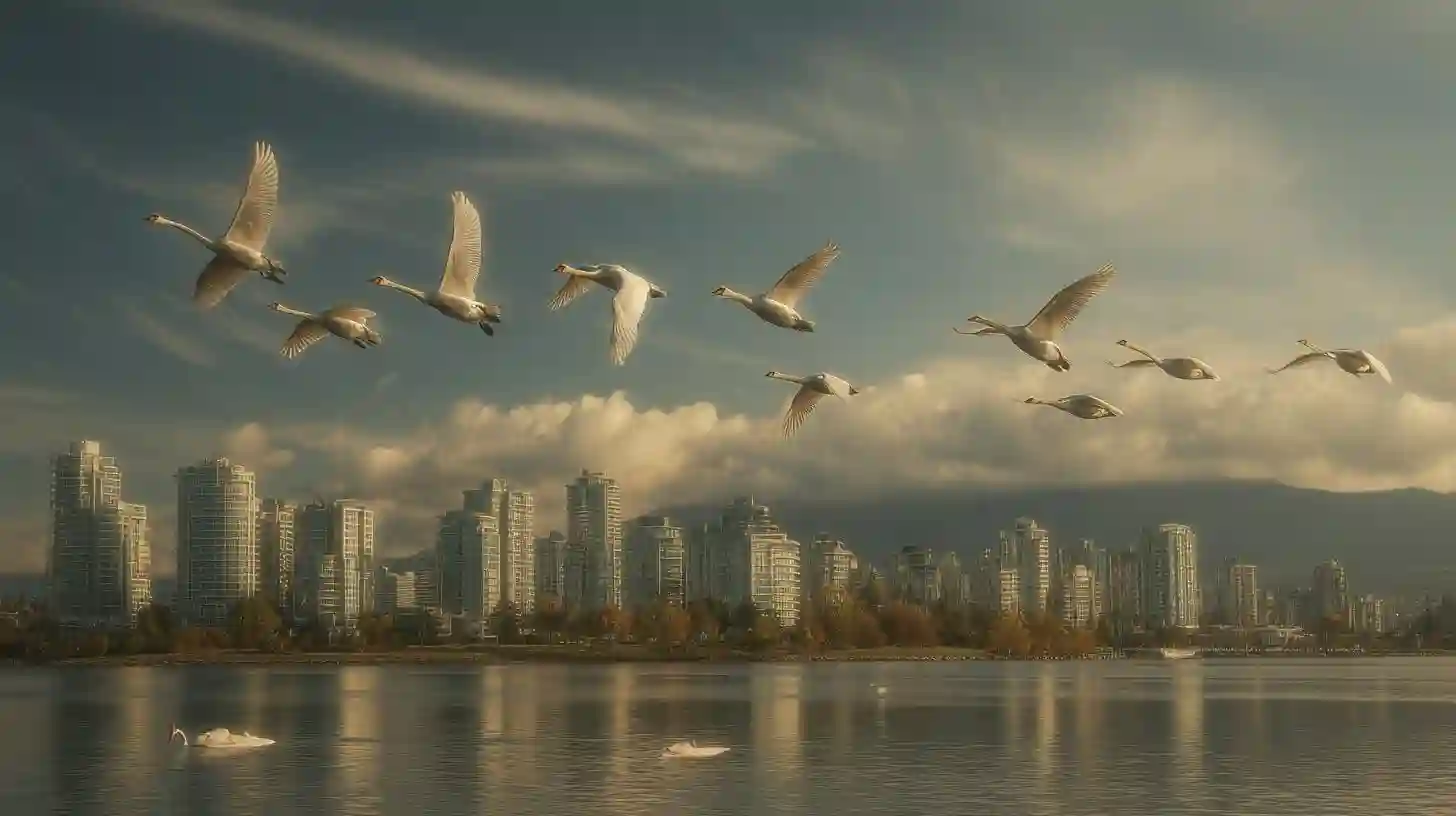
Modern urbanization has significantly impacted the natural world in numerous ways, and one of the lesser-discussed effects is its influence on the migration patterns of swans. Historically, swans followed long-established routes during their migratory seasons, traveling to warmer climates in the winter and returning to breeding grounds in the spring. However, the rapid growth of cities, infrastructure, and changes to the environment have introduced new challenges that alter these patterns. Cities with their sprawling suburbs, increased traffic, and rising pollution levels create barriers that disrupt traditional migratory routes. One of the most obvious effects is the destruction of wetlands and other crucial habitats that swans rely on for resting and feeding. Wetlands, particularly along major rivers and lakes, are often drained or filled in to make room for urban development. This results in the loss of resting spots and safe places for swans to feed during their long journeys. Furthermore, urbanization leads to the fragmentation of ecosystems, forcing swans to alter their migratory paths. They may choose new routes, often passing through areas that are not naturally suited to their needs. The availability of food sources also becomes less predictable in urban areas, as human activities interfere with the natural food chain. In some cases, swans have been observed changing their destinations or stopping in cities, drawn by artificial feeding stations or altered landscapes. Additionally, increased human presence near water bodies causes swans to adapt their behaviors, avoiding populated areas or modifying their flight paths to minimize disturbances. As cities grow, the increase in air traffic also poses a risk for swan migration. Birds now have to contend with a higher number of flying objects, which can lead to accidents, especially during their migration periods when they are more likely to be flying in large flocks. The noise pollution and light pollution in urban areas are further stressors, disturbing the swans' natural rhythms and navigation methods. Moreover, urban heat islands—areas where temperatures are significantly higher due to dense human activity—create altered weather patterns that might confuse swans. They rely on specific temperature cues to guide their migration, and an increased presence of warmer temperatures in certain urban areas may cause disorientation. These challenges highlight the broader environmental consequences of urban development and the importance of preserving natural spaces for wildlife. As cities continue to expand, the hope is that more thoughtful planning and conservation efforts can help mitigate these impacts, ensuring that migratory birds like swans can continue their journeys with less disruption.