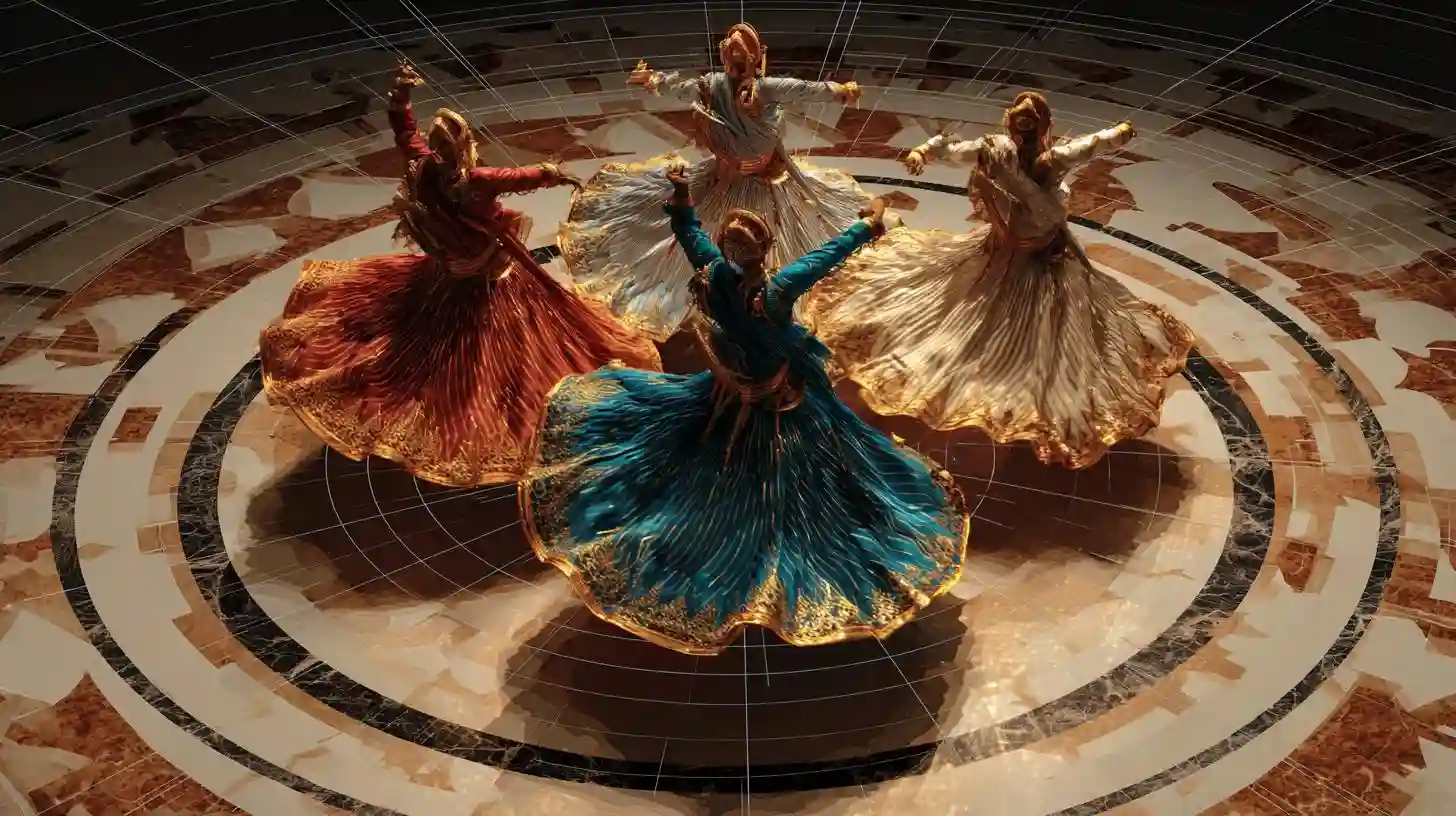
Traditional dance plays a vital role in promoting cross-cultural understanding by serving as a bridge between different communities, allowing individuals to experience and appreciate the diverse customs, histories, and values of others. Through rhythmic movements, gestures, and symbolic expressions, traditional dance carries the essence of a culture, enabling it to transcend language barriers and convey emotions, stories, and traditions that may otherwise be difficult to articulate. This form of expression fosters a deeper connection between people from various cultural backgrounds, creating an environment of mutual respect and curiosity. In many societies, traditional dance is not just an art form, but also a means of preserving cultural identity and passing down generational knowledge. By participating in or witnessing these performances, individuals can gain insight into the spiritual, social, and historical significance behind the movements. For example, an audience may not speak the same language, but through dance, they can understand the symbolism embedded in every step or gesture. Furthermore, traditional dance festivals, exchanges, and performances act as platforms for cultural dialogue, offering opportunities for individuals to engage in a shared experience that fosters understanding. These events often bring together people from different regions and backgrounds, creating a sense of unity despite differences. They also challenge stereotypes, as they allow participants and spectators to experience firsthand the beauty and richness of cultures they might have little exposure to otherwise. As a living tradition, traditional dance also evolves through cultural exchanges, incorporating elements from other cultures while retaining its core identity. This dynamic aspect of traditional dance illustrates the adaptability and resilience of cultures, demonstrating that while traditions may change over time, they remain relevant in promoting intercultural dialogue and connection. Through the universal language of movement, traditional dance continues to serve as an important tool for breaking down cultural barriers and fostering a more interconnected and understanding global community.