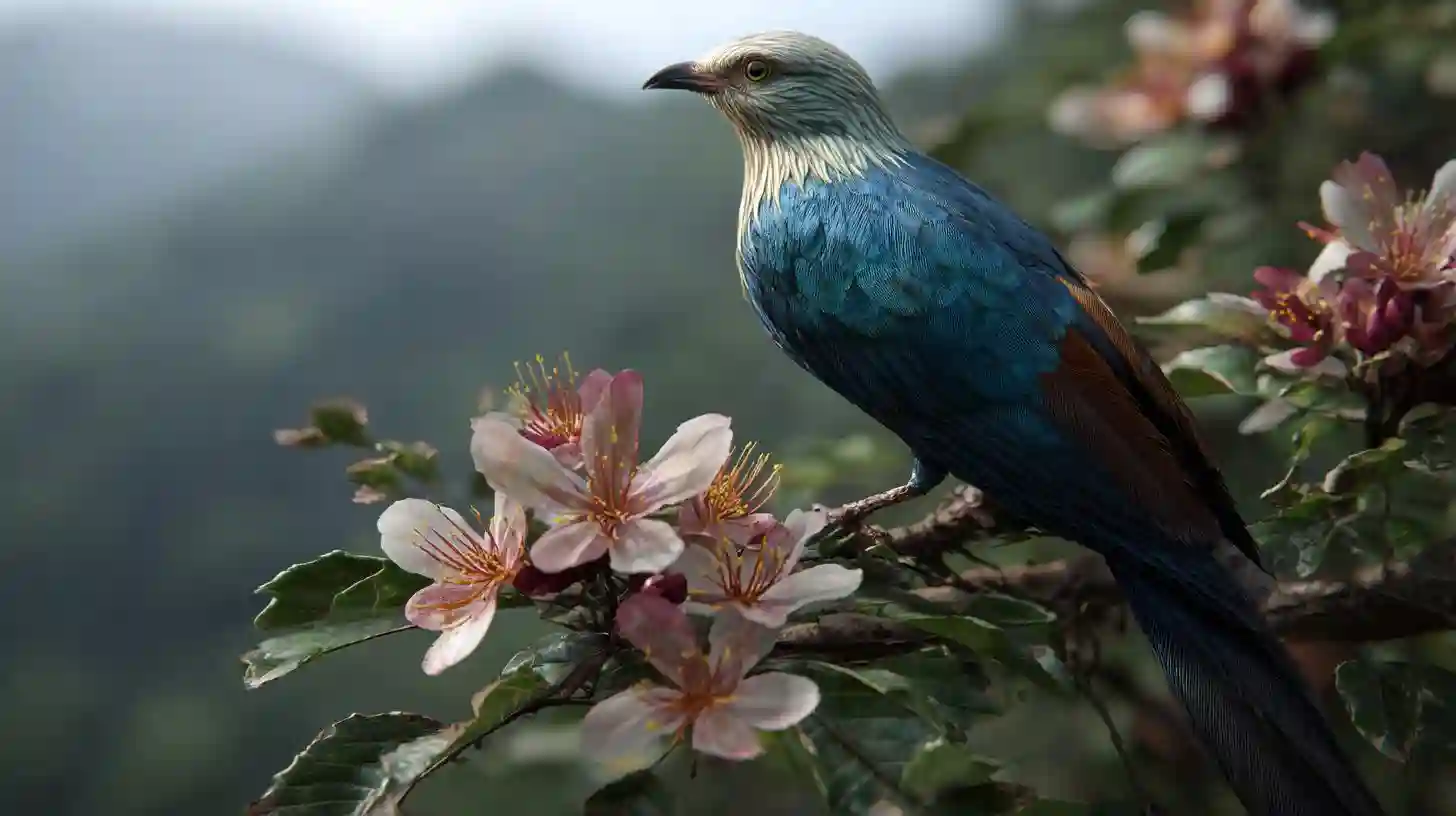
Endangered bird species face numerous threats, including habitat destruction, climate change, poaching, and the introduction of invasive species. To ensure their survival, effective conservation strategies must be implemented across multiple levels, from local to global efforts. One of the primary strategies for protecting endangered birds is habitat restoration. Many bird species are critically dependent on specific habitats for feeding, breeding, and migration. Restoring wetlands, forests, and grasslands can provide these essential environments, promoting the resurgence of bird populations. Furthermore, protecting these habitats from further degradation is crucial, often through the establishment of protected areas, national parks, or wildlife reserves.
Another vital strategy is the control of invasive species that pose threats to native bird populations. Invasive plants and animals can outcompete or directly harm local species, either by reducing food sources or predating on the birds themselves. Through targeted removal programs and ecological management, conservationists can mitigate these threats and allow native bird species to thrive. Additionally, the careful management of human activities is necessary to reduce disturbances to birds' natural behaviors. Measures such as restricting access to nesting sites during breeding seasons or controlling hunting and poaching are essential for minimizing human impact.
Captive breeding and reintroduction programs have proven successful in saving some bird species on the brink of extinction. By breeding birds in controlled environments and gradually releasing them back into their natural habitats, conservationists can help re-establish populations that may otherwise have disappeared. These programs also often include efforts to ensure that reintroduced birds can adapt to their environment and coexist with other species.
Education and awareness campaigns are also critical in conservation efforts. Raising public awareness about the importance of bird species and the need for their protection can lead to more sustainable behaviors, such as supporting eco-tourism, reducing pollution, or advocating for policy changes that promote wildlife conservation.
Collaboration between governments, NGOs, and local communities is key to the success of these strategies. By working together, these groups can create and enforce laws, secure funding, and implement effective conservation programs. The combined effort of many stakeholders increases the likelihood of safeguarding endangered bird species for future generations.