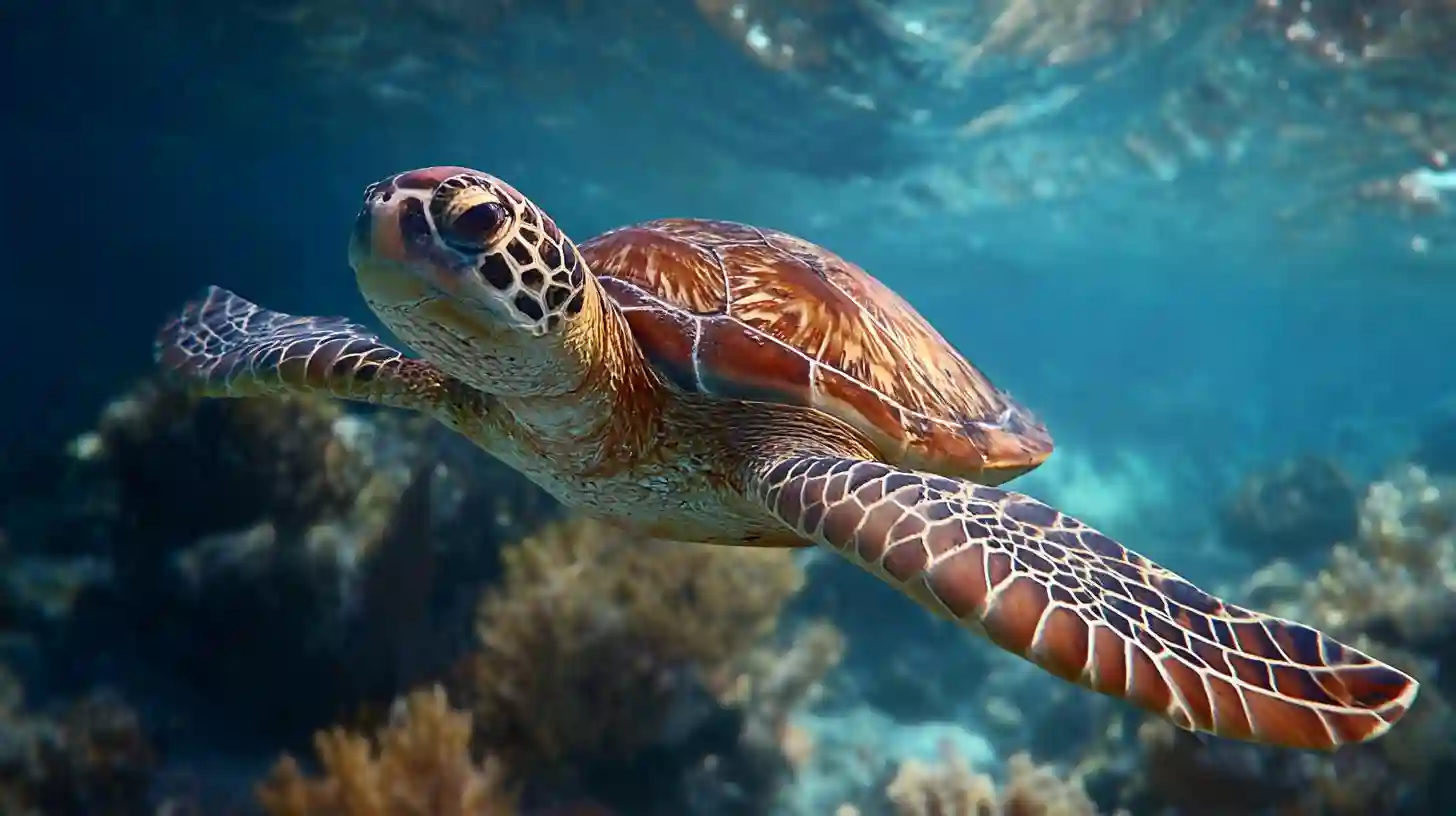
Marine Protected Areas (MPAs) play a crucial role in the conservation of sea turtles, providing safe havens where these endangered creatures can thrive. Sea turtles face numerous threats in their natural habitats, such as habitat degradation, poaching, accidental capture in fishing nets, and climate change. MPAs are established to offer refuge from these dangers by limiting human activities that can harm marine ecosystems. By creating zones where fishing, tourism, and other disruptive activities are restricted or monitored, these areas give sea turtles a better chance at survival and reproduction.
One of the key benefits of MPAs is the protection of crucial nesting sites. Many sea turtles return to the same beaches year after year to lay their eggs, but these beaches are often at risk from coastal development, pollution, and human disturbance. Within an MPA, nesting beaches are preserved, ensuring that female sea turtles have a safe place to deposit their eggs. This protection helps increase the number of hatchlings that can safely enter the ocean, improving the population's chances of recovering from the threats they face.
In addition to safeguarding nesting sites, MPAs also protect the feeding grounds of sea turtles. Sea turtles rely on healthy marine ecosystems, including seagrass beds and coral reefs, for food. Without MPAs, these habitats can become overfished, degraded, or destroyed by pollution, leaving sea turtles with fewer resources to survive. By restricting damaging activities, MPAs help ensure that sea turtles have access to the necessary food sources, which are vital for their growth and long-term survival.
Furthermore, MPAs contribute to the overall health of marine ecosystems. By preserving biodiversity and maintaining the balance of marine species, MPAs indirectly benefit sea turtles by ensuring that the ecosystems they depend on remain functional. Healthy ecosystems are more resilient to the impacts of climate change, helping sea turtles adapt to changing conditions.
The role of MPAs in sea turtle conservation cannot be overstated. These protected areas provide critical refuges where sea turtles can feed, breed, and grow, free from many of the dangers they face in unprotected waters. Effective management and expansion of MPAs are essential for the long-term survival of sea turtles and the overall health of marine ecosystems.