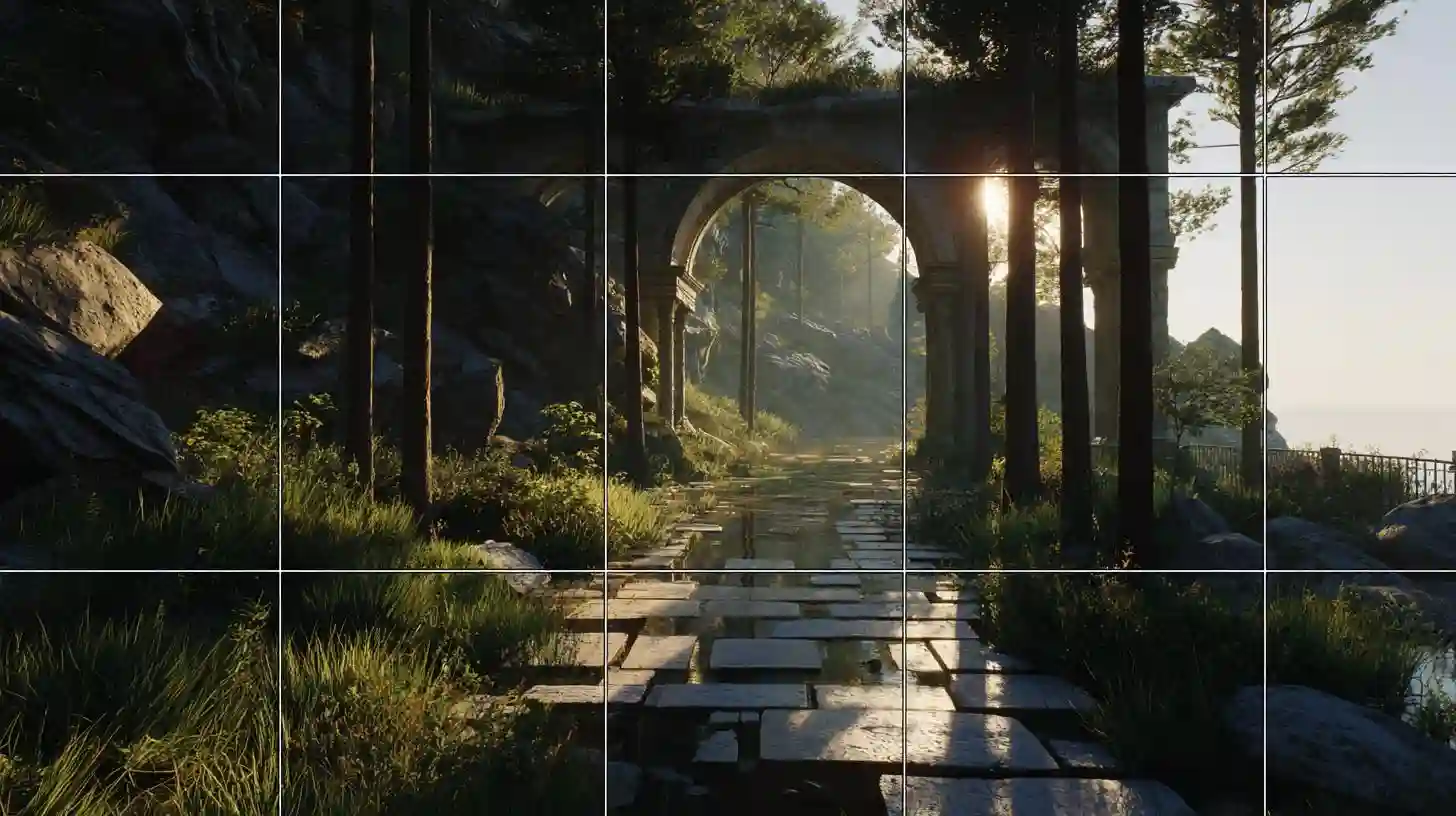
Shadows and highlights play a crucial role in photography and visual art, acting as powerful tools to guide the viewer's eye and create a sense of depth and dimension. By strategically using shadows and highlights, artists can enhance the composition and storytelling of their work.
Shadows serve as an essential element in defining the contours of subjects. They add contrast, making objects stand out and providing a sense of three-dimensionality. When shadows are placed in the right areas, they can lead the viewer’s gaze to the focal point of the composition. The interplay between light and dark also evokes mood; for example, deep shadows can create a sense of mystery or tension, while softer shadows may evoke calmness or subtlety.
Similarly, highlights bring out the brightest areas of the scene. These areas often act as visual anchors, drawing attention to key elements. Highlights can also add texture and emphasize details that might otherwise go unnoticed. When combined with shadows, highlights help balance the image, ensuring that the composition doesn't feel flat or two-dimensional. The contrast between light and dark intensifies the overall impact of the image, creating a harmonious visual flow.
An important aspect of using shadows and highlights effectively is understanding how light behaves and where it falls. A light source can be positioned in various ways to create different effects. For instance, a side light can cast long, dramatic shadows, enhancing textures and shapes, while diffused light may create softer, more subtle shadows and highlights. The key is to experiment with the direction, intensity, and quality of light to achieve the desired mood and effect.
When working with shadows and highlights, one should also consider the balance between the two. Overemphasizing one can overshadow the other, resulting in a visually unbalanced composition. A well-balanced interplay between shadows and highlights ensures the image feels natural, compelling, and full of life. The goal is to use these elements not just for technical accuracy but as artistic tools that elevate the narrative or emotion conveyed through the piece.