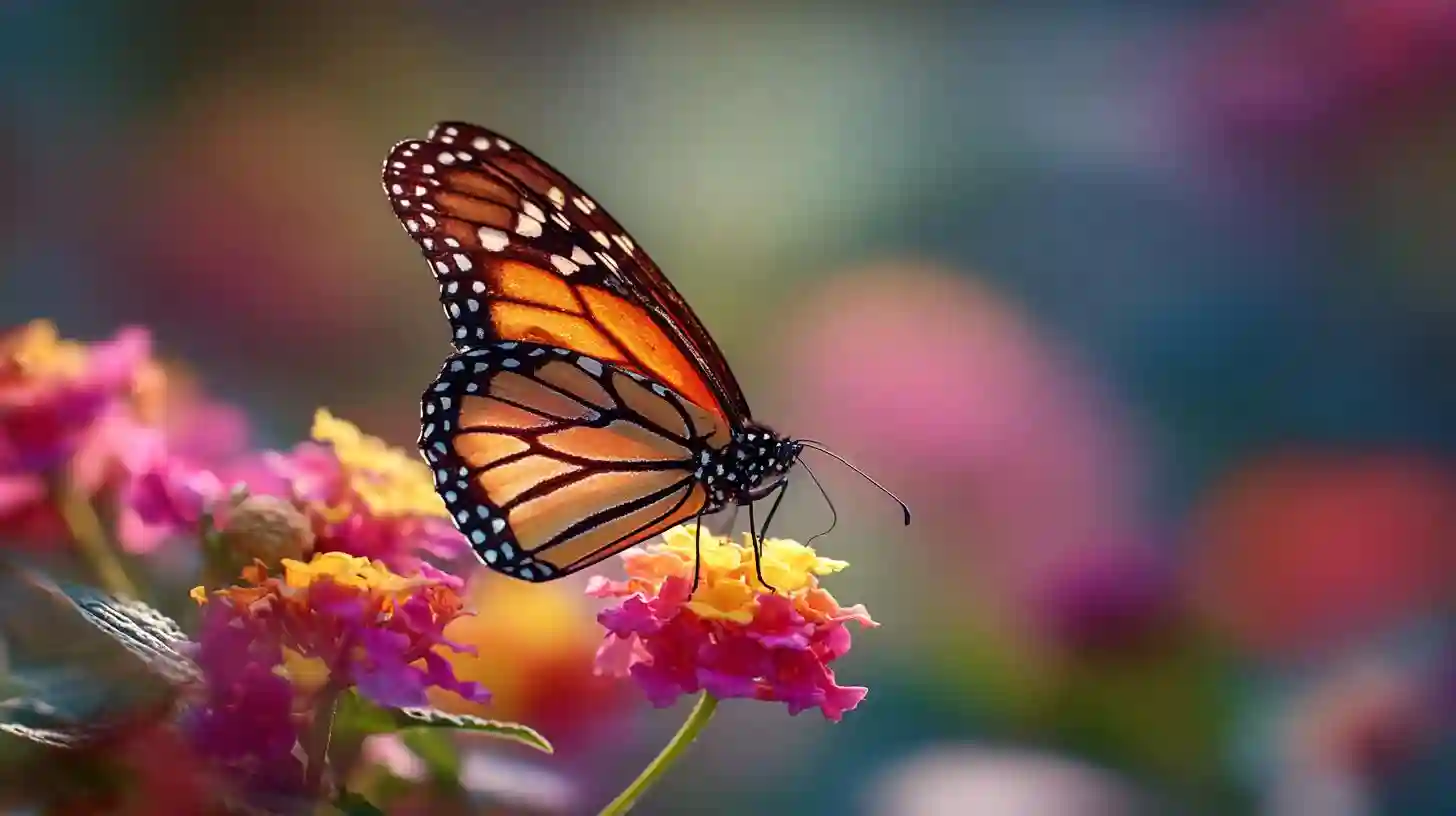
Creating a butterfly-friendly garden is a rewarding endeavor that can bring colorful visitors to your space. Start by incorporating a variety of plants that provide nectar and habitat for butterflies. Native flowering plants are particularly effective because they attract local species. Flowers such as milkweed, coneflower, and lavender are favorites among butterflies due to their rich nectar. To create a diverse environment, choose a mix of annuals and perennials so that blooming occurs throughout the year. It is also beneficial to include plants that provide caterpillars with food sources, such as fennel, dill, or parsley, which cater to butterfly larvae. To further enhance the attraction, introduce host plants that butterflies rely on to lay their eggs. Some butterflies prefer specific plants for egg-laying, and providing these can make your garden a perfect home for the next generation of butterflies.
Another important factor in attracting butterflies is providing shelter. Butterflies are more likely to visit gardens that offer protection from the wind and areas where they can rest. Shrubs, tall grasses, and trees can serve as natural windbreaks and resting spots. Consider adding a butterfly house, which will give them a safe space for resting or laying eggs. Butterfly houses should have slats or hollow tubes that mimic the natural crevices butterflies might seek in their wild habitat. Adding a shallow water source, like a birdbath or small puddle, can also be beneficial, as butterflies need water for hydration. Ensure the water source is shallow, with stones or twigs that allow the butterflies to land safely without the risk of drowning.
When designing a butterfly-friendly garden, avoid the use of pesticides or harsh chemicals, as these can harm both the butterflies and their larvae. Choose natural methods of pest control instead. Consider allowing some weeds or wildflowers to grow in certain areas of your garden, as these can provide additional resources for butterflies. Providing a diverse, safe, and welcoming environment with abundant food, water, and shelter will turn your garden into a sanctuary for butterflies, enriching both the beauty of your space and the local ecosystem.