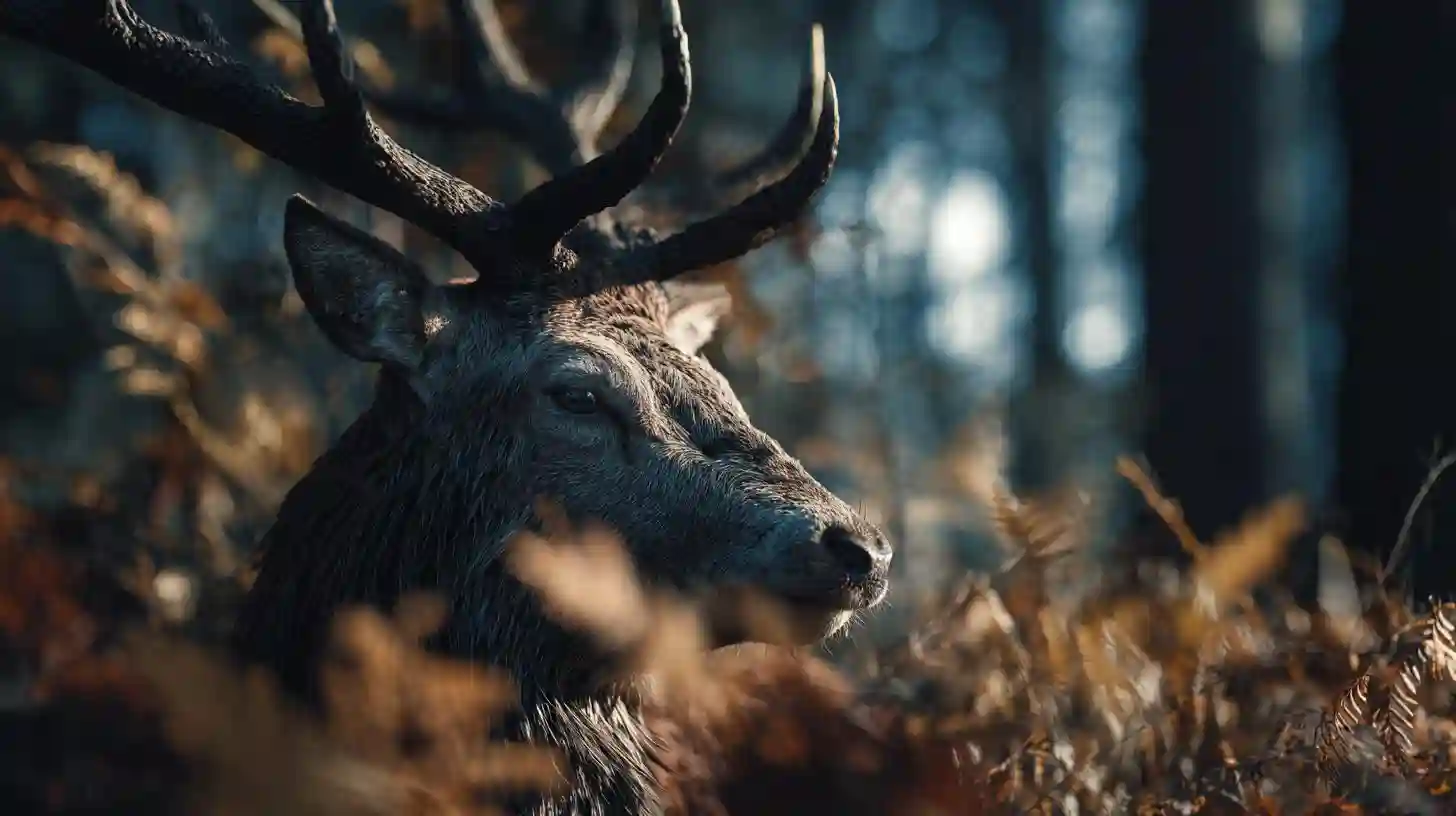
Deer, as herbivores, play a significant role in shaping the ecosystems they inhabit. Their foraging behavior directly impacts the vegetation they feed on. Deer typically graze on a wide variety of plants, and in areas where they are abundant, they can reduce plant diversity by preferentially feeding on certain species while ignoring others. This selective grazing can lead to the decline of specific plant populations, especially those that are slower to recover or have limited growth cycles. In forested habitats, this feeding behavior can prevent the regeneration of young saplings, allowing only more mature, hardy plants to thrive. Over time, this creates an imbalance in the plant community, reducing the overall biodiversity of the area.
The physical presence of deer in these habitats also affects the soil and plant growth. Their hooves can compact the soil, especially in soft, moist areas, disrupting the growth of grasses and other vegetation. Soil compaction leads to poor root development and can reduce water infiltration, making it harder for plants to obtain the necessary nutrients and water. Furthermore, deer often create trails through forests and meadows, which can lead to soil erosion, especially in areas with little vegetation to stabilize the ground.
Another aspect of deer behavior is their role in spreading seeds. While feeding on fruits and plants, deer often consume seeds, which pass through their digestive systems and are deposited elsewhere. This movement of seeds can help propagate certain plant species, especially in areas where those species would struggle to spread on their own. However, it can also introduce non-native or invasive plant species to new areas, further altering the habitat and potentially outcompeting native plants.
The effect of deer on local habitats can also be seen in their interactions with predators. In areas where deer populations are large, they may attract larger predators like wolves or mountain lions, which can influence the entire food web. Predators can regulate deer populations, preventing overgrazing and allowing plant life to recover. However, in regions where predators have been extirpated or are in low numbers, deer populations can grow unchecked, leading to negative effects on local habitats.
Ultimately, deer behavior has a complex and multifaceted impact on their ecosystems. From grazing and seed dispersal to influencing predator-prey dynamics, deer shape the habitats they inhabit in significant ways.